Sep 1, 2026

Running a growing fashion brand usually means managing far more than design. Product development, supplier communication, inventory, production, and wholesale all need their own processes and information.
That is where B2B fashion software comes in.
Different types of fashion management software support different parts of the business, from building tech packs and managing samples to taking wholesale orders and tracking production.
For fashion brands, the harder part is often figuring out which type of software fits the problem you are trying to solve.
This guide compares 15 B2B fashion software tools by their primary use, so you can see where each one fits and which options are worth considering.
TL;DR
The 15 B2B fashion software tools covered in this guide are:
Centric PLM
Backbone PLM
ApparelMagic®
AIMS360
BlueCherry
JOOR
NuORDER
MarketTime
WFX
Inspectorio
Infor Nexus
CLO 3D
Adobe Illustrator
What Is B2B Fashion Software?
B2B fashion software refers to digital tools that help fashion companies manage the work they do with other businesses, as well as the internal processes that support those relationships.
For an apparel company, that can include developing products with suppliers, coordinating production with manufacturers, or selling collections to wholesale buyers. :
The category is broad because a brand rarely relies on the same software for every part of its operation. Different platforms support different stages and types of work within fashion and apparel:
Product lifecycle management (PLM) organizes styles, materials, tech packs, samples, revisions, and approvals during product development.
Enterprise resource planning (ERP) supports inventory, purchasing, orders, finance, and other operational work.
B2B wholesale software helps brands present collections, work with retail buyers, and manage wholesale orders.
Production and supply chain software supports sourcing, supplier coordination, manufacturing, quality, and delivery.
Fashion design software helps designers create, develop, and visualize garment concepts.
These categories serve different purposes, but they often connect as a collection moves from the first design idea through product development, production, and wholesale.
15 Best B2B Fashion Software Tools by Type
Not every B2B fashion tool solves the same problem. A platform built for product development has a different role from one designed for inventory, wholesale, production, or design.
To make the comparison easier, we’ve grouped the 15 tools by the part of the fashion workflow they primarily support.
Product Lifecycle Management (PLM) Software
Fashion PLM software gives a product development team one place to manage the information behind products as collections move from concept toward production.
That can include styles, colorways, materials, bills of materials (BOMs), tech packs, samples, revisions, and approvals.
Because these details stay connected to product records, designers, developers, and vendors can work from current information in real time as specifications change.
1. Onbrand PLM
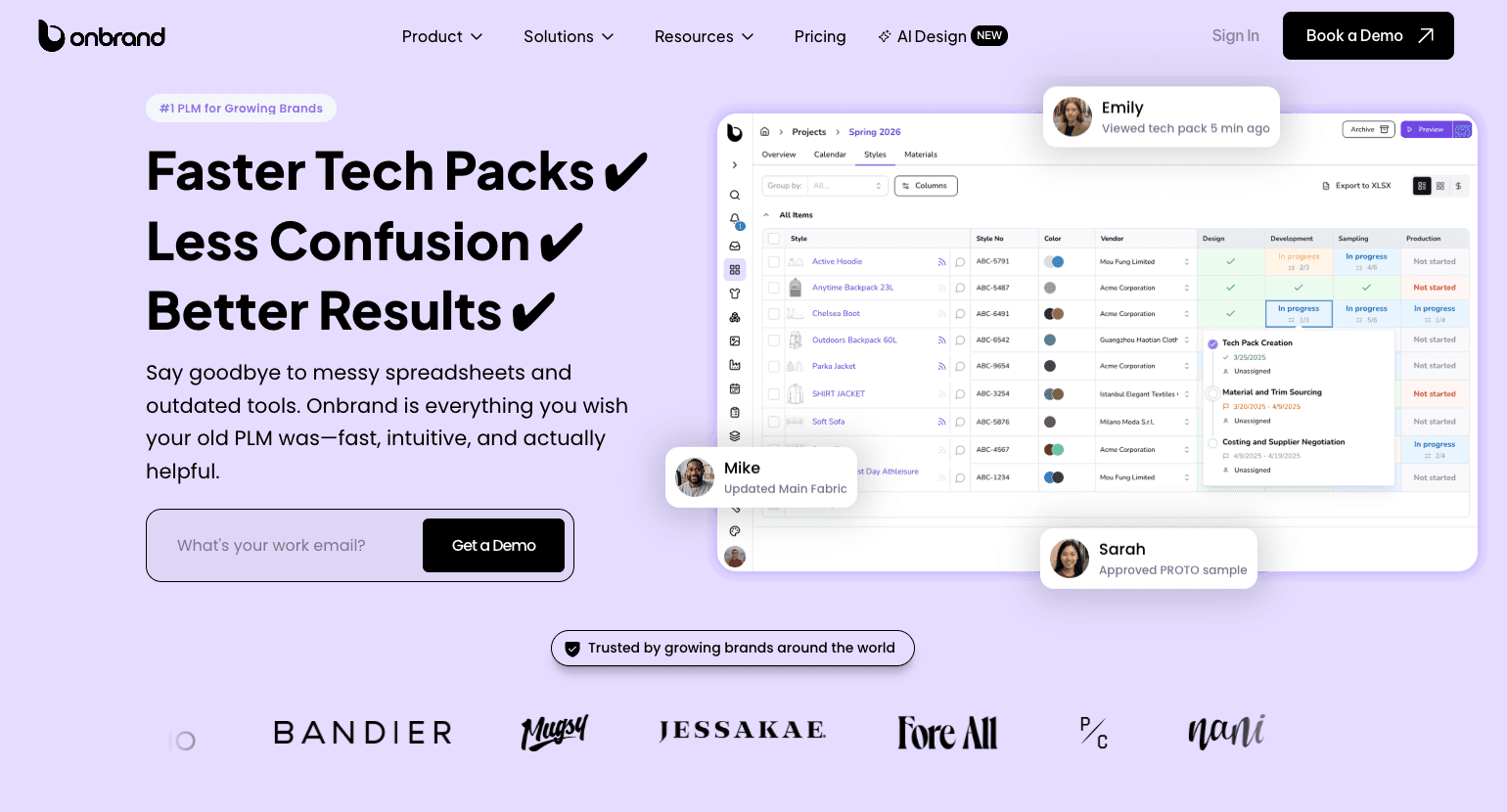
Onbrand PLM brings collections, styles, materials, live tech packs, BOMs, samples, approvals, and vendor communication into one connected platform. Its configurable workflows let fashion teams set up stages, tasks, approvals, and calendars around the way they already develop products.
Tech packs stay live and web-based, so teams and vendors work from current product information rather than sending updated PDFs or spreadsheets back and forth. Vendors can collaborate directly within the platform, while sample management keeps comments and approvals connected to each style.
Onbrand also connects with Onbrand AI Design, giving teams a path from early design concepts into structured product development. With Onbrand, customers have cut tech pack creation time by 55%, reduced development timelines by 4 weeks, and completed data migration and implementation in as little as 10 days.
Its combination of live tech packs, configurable workflows, fast onboarding, and connected AI design makes Onbrand particularly well suited to growing fashion teams moving beyond spreadsheets or legacy PLM systems.
2. Centric PLM
Source: centricsoftware.com
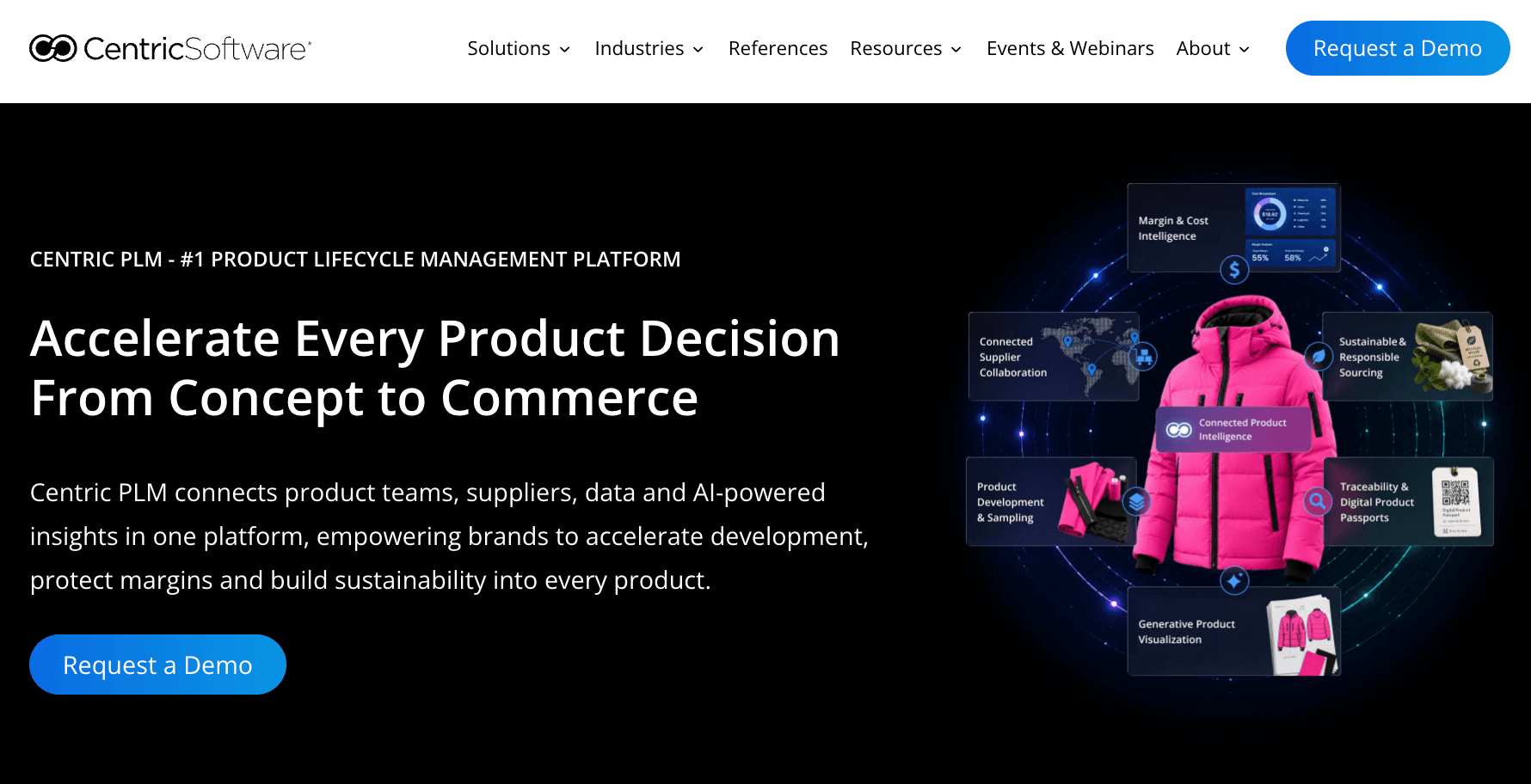
Centric PLM is a PLM platform built to connect product development from initial design through sourcing, testing, and commercialization. Fashion and retail companies can use it to manage product data, collections, BOMs, costing, suppliers, and development workflows.
Its visual planning tools also support product ranges and assortments, while collaboration features help coordinate product work across multiple teams, categories, or regions. Centric also connects with 2D and 3D design tools and supports sourcing and supplier-related workflows.
Its broad scope and enterprise positioning suit larger organizations managing complex product development across teams, categories, or regions.
3. Backbone PLM
Source: bamboorose.com
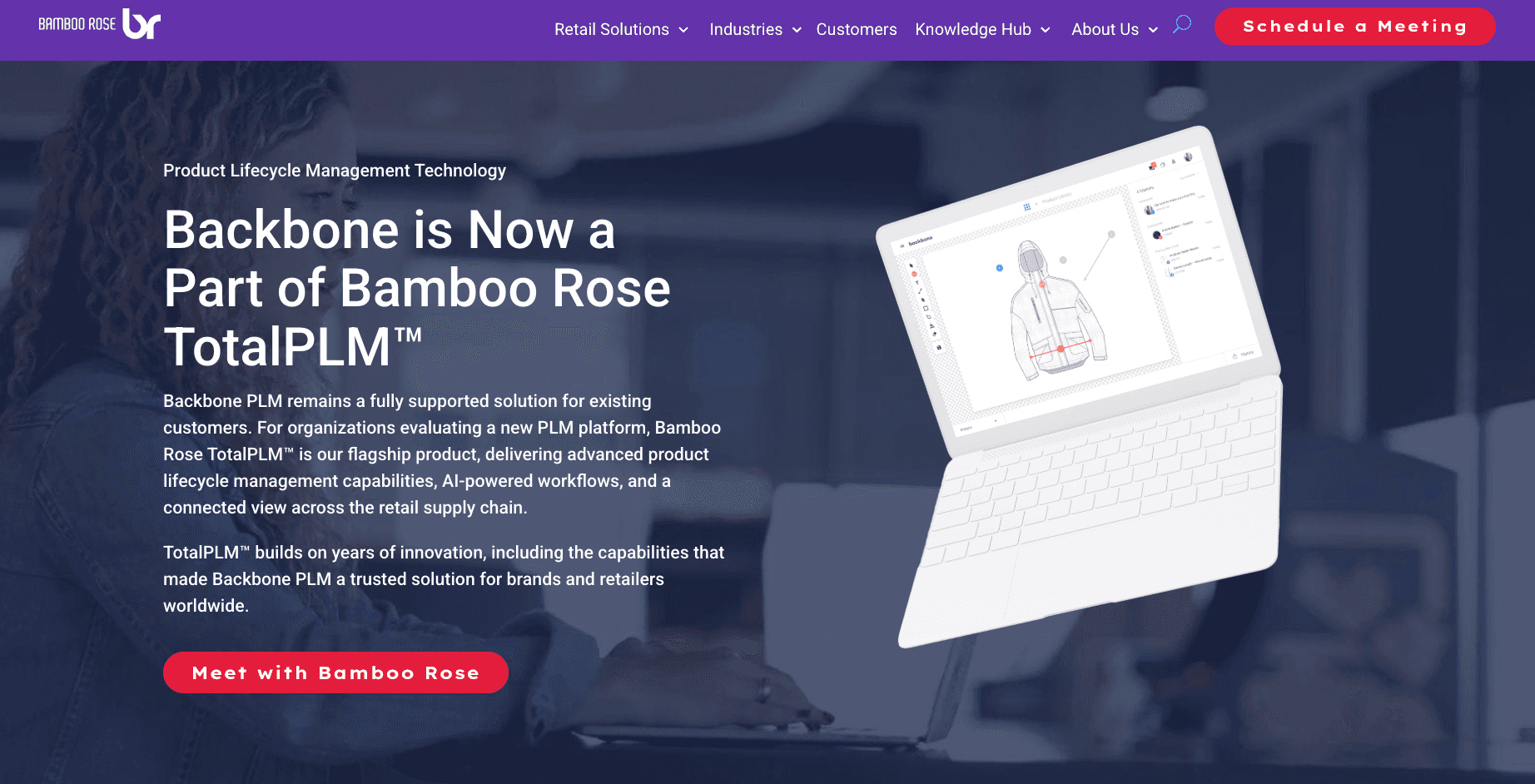
Backbone PLM is a product development system for managing product information, tech packs, BOMs, size specifications, and design files. Its design-focused workflow includes an Adobe Illustrator plugin, which lets designers upload artwork and track versions from Illustrator.
Product information is stored in connected libraries, while custom fields help keep changes consistent in tech packs and reports. Live tech pack links also support collaboration with external partners.
One important distinction for new buyers is its current status. Backbone is now part of Bamboo Rose, and while existing customers continue to receive support, Bamboo Rose positions TotalPLM as its flagship PLM for organizations evaluating a new system.
Fashion ERP Software
Once a product moves into the operational side of the business, ERP software handles areas such as inventory, purchasing, production, warehousing, finance, and order management.
ERP and PLM can overlap, but they have different primary roles. PLM manages the information used to develop products. ERP manages the transactions and operational records involved in purchasing, stocking, producing, and selling them.
4. ApparelMagic®
Source: apparelmagic.com
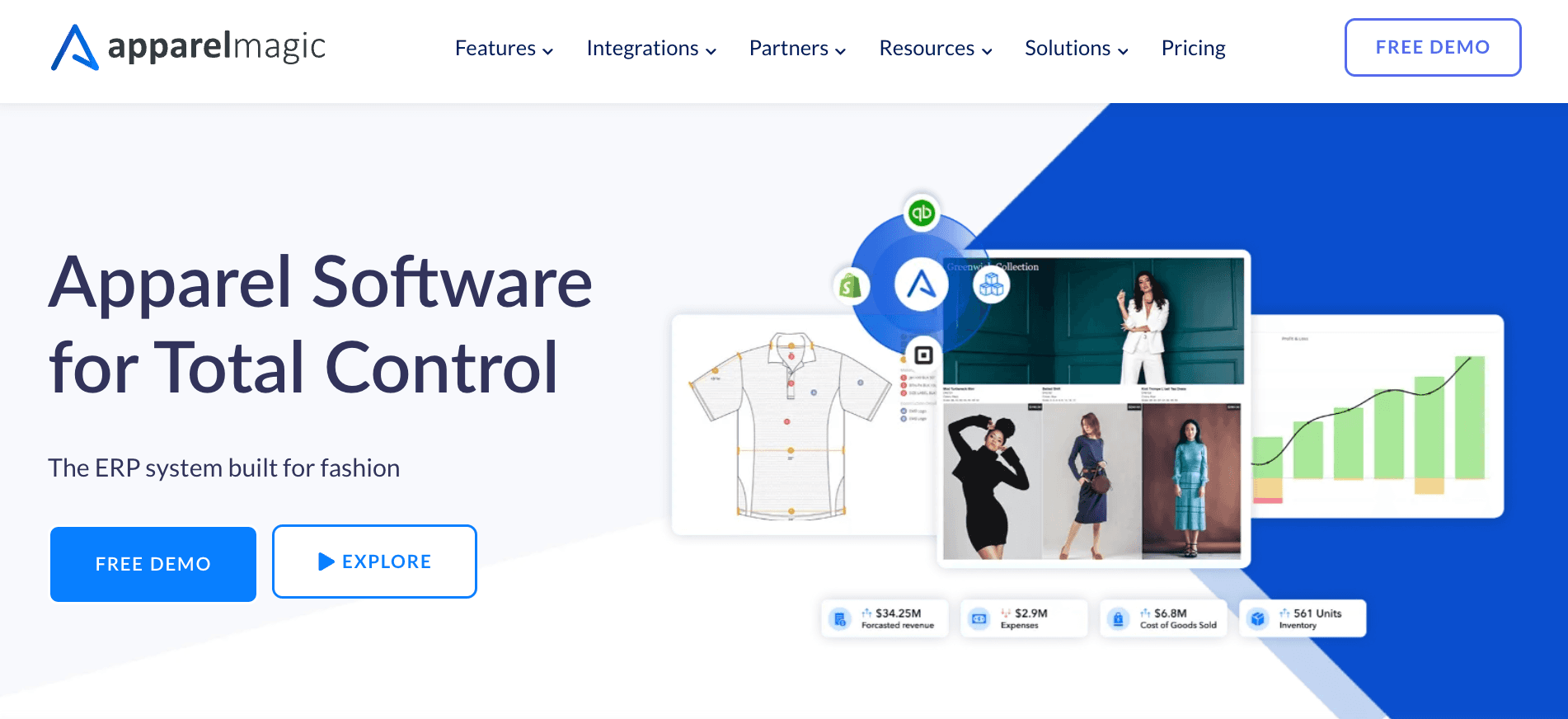
ApparelMagic is a fashion-focused ERP that covers the operational work behind inventory, purchasing, sales, production, fulfillment, and accounting. It tracks styles, SKUs, and materials while connecting that information with day-to-day business records.
For order processing, the platform supports picking, packing, prioritization, and fulfillment. It also includes tools for procurement, manufacturing, supply chain management, and multi-currency operations for brands selling internationally.
ApparelMagic combines fashion-specific ERP capabilities with inventory and sales operations, while also extending into areas such as PLM and B2B ecommerce.
5. AIMS360
Source: aims360.com
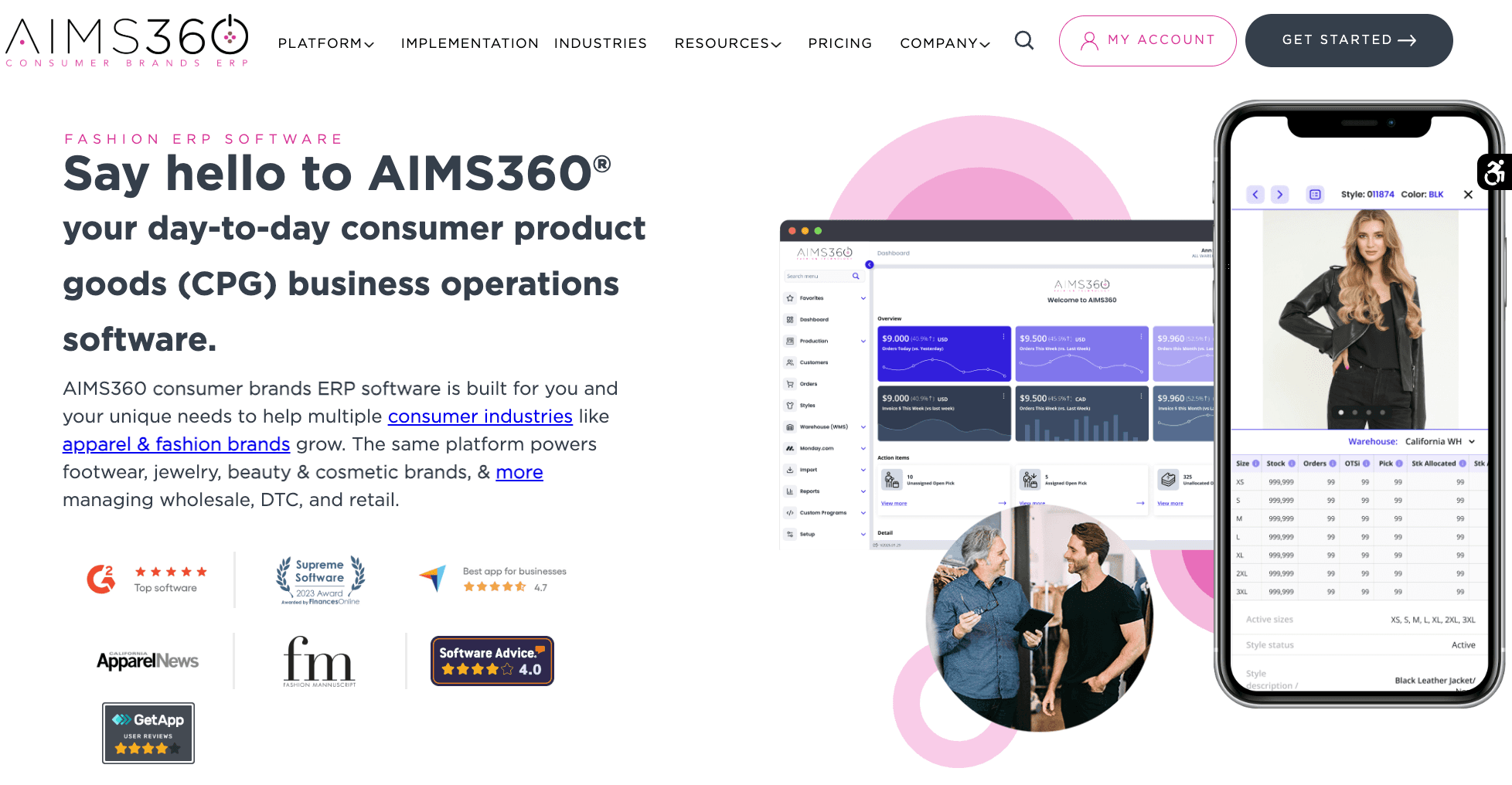
AIMS360 is a fashion-focused ERP built for day-to-day operations in apparel and other consumer product businesses. It covers inventory, production, purchasing, wholesale, DTC, shipping, accounting, and customer management.
Its inventory tools track styles, colors, sizes, raw materials, warehouses, and work in progress. The platform also supports real-time inventory visibility, multi-channel orders, B2B wholesale orders, EDI, returns, payments, and automated allocation based on customer priority and ship date.
AIMS360 fits fashion businesses that need ERP, warehouse, order, and production functions in one system, especially when they sell through a mix of wholesale, retail, and DTC channels.
6. BlueCherry
Source: bluecherry.com
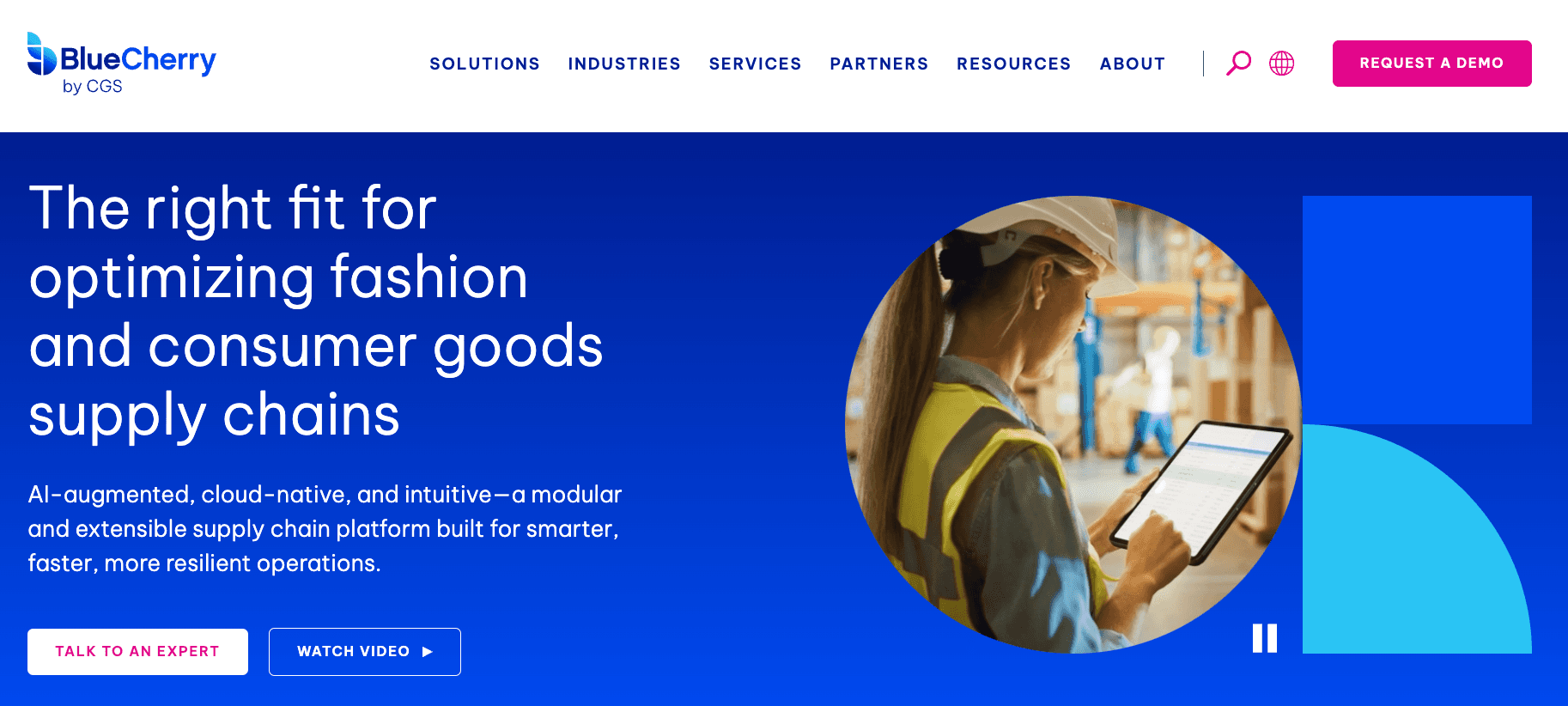
BlueCherry is a fashion-focused enterprise platform with ERP, PLM, manufacturing, warehouse, and wholesale modules. Its ERP supports inventory, warehousing, e-commerce connections, EDI, business intelligence, and supply chain coordination.
The system is designed for companies that need to manage product and operational data from sourcing through fulfillment. Relevant workflows include inventory control, warehouse activity, manufacturing, and order information connected to e-commerce and retail channels.
BlueCherry is broader than a basic ERP, which makes it more suitable for larger apparel businesses that need several operational modules within the same software environment.
B2B Wholesale Software for Fashion
Selling a collection to other businesses requires a different set of tools. B2B wholesale software helps brands present products and sell to retail buyers, distributors, and other business customers.
Depending on the platform, retailers may be able to browse digital catalogs, review product information, select quantities, access their accounts, and submit orders online.
The focus here is wholesale commerce and the relationship between brands and their business buyers, not product development or internal operations.
7. JOOR
Source: joor.com
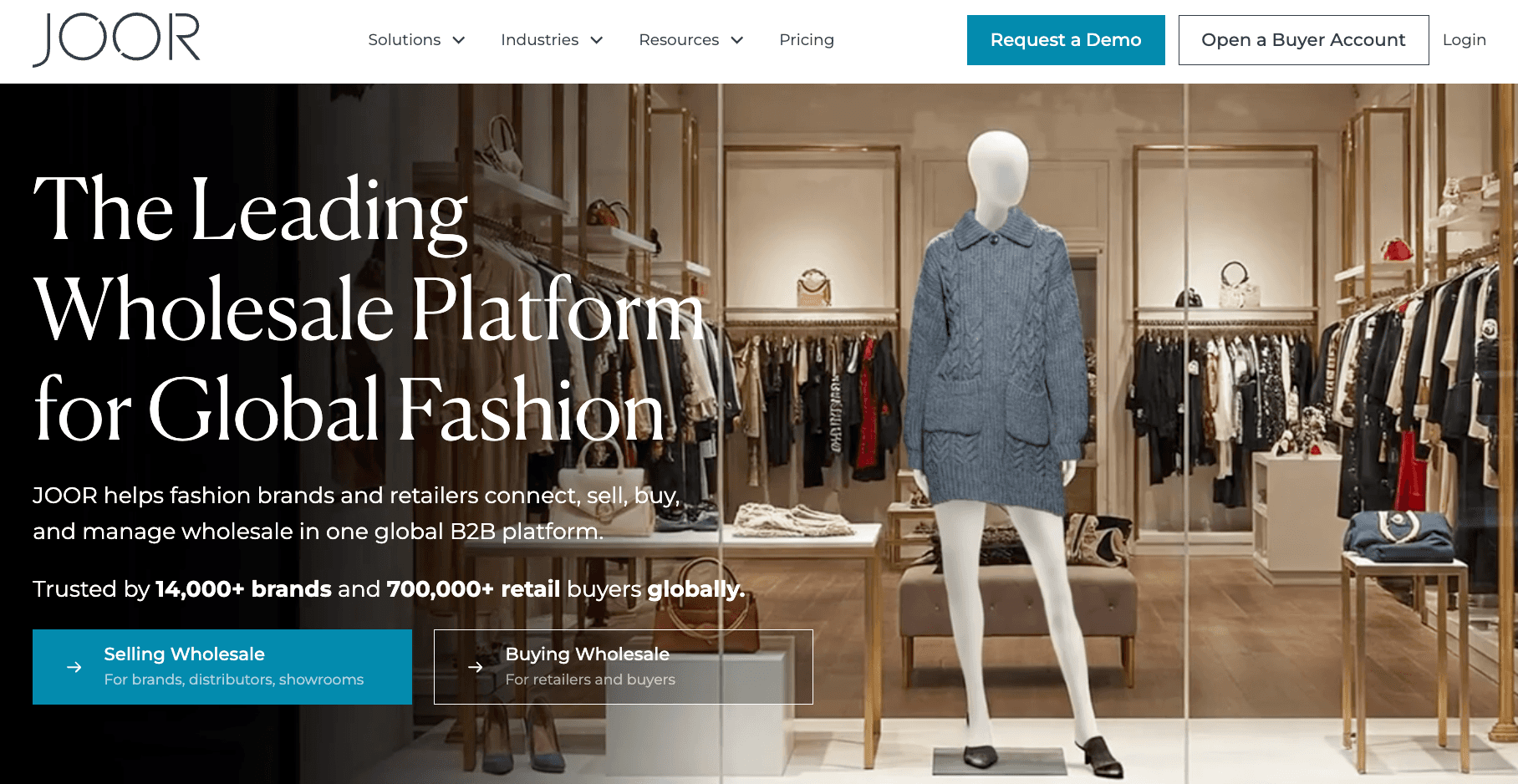
JOOR is a B2B wholesale platform built around the relationship between brands and retail buyers. Brands can present collections, connect with retailers, manage wholesale orders, and handle payments through the platform.
Its selling tools include virtual showrooms, line sheets, order management, reporting, and retailer discovery. On the buying side, retailers can review assortments, place orders, make edits, and pay brand partners. JOOR also connects with ERP, PLM, POS, and ecommerce systems to support existing wholesale operations.
JOOR is suitable for fashion businesses that want a dedicated system for managing digital wholesale selling and buying rather than broader product development or ERP workflows.
8. NuORDER
Source: nuorder.com
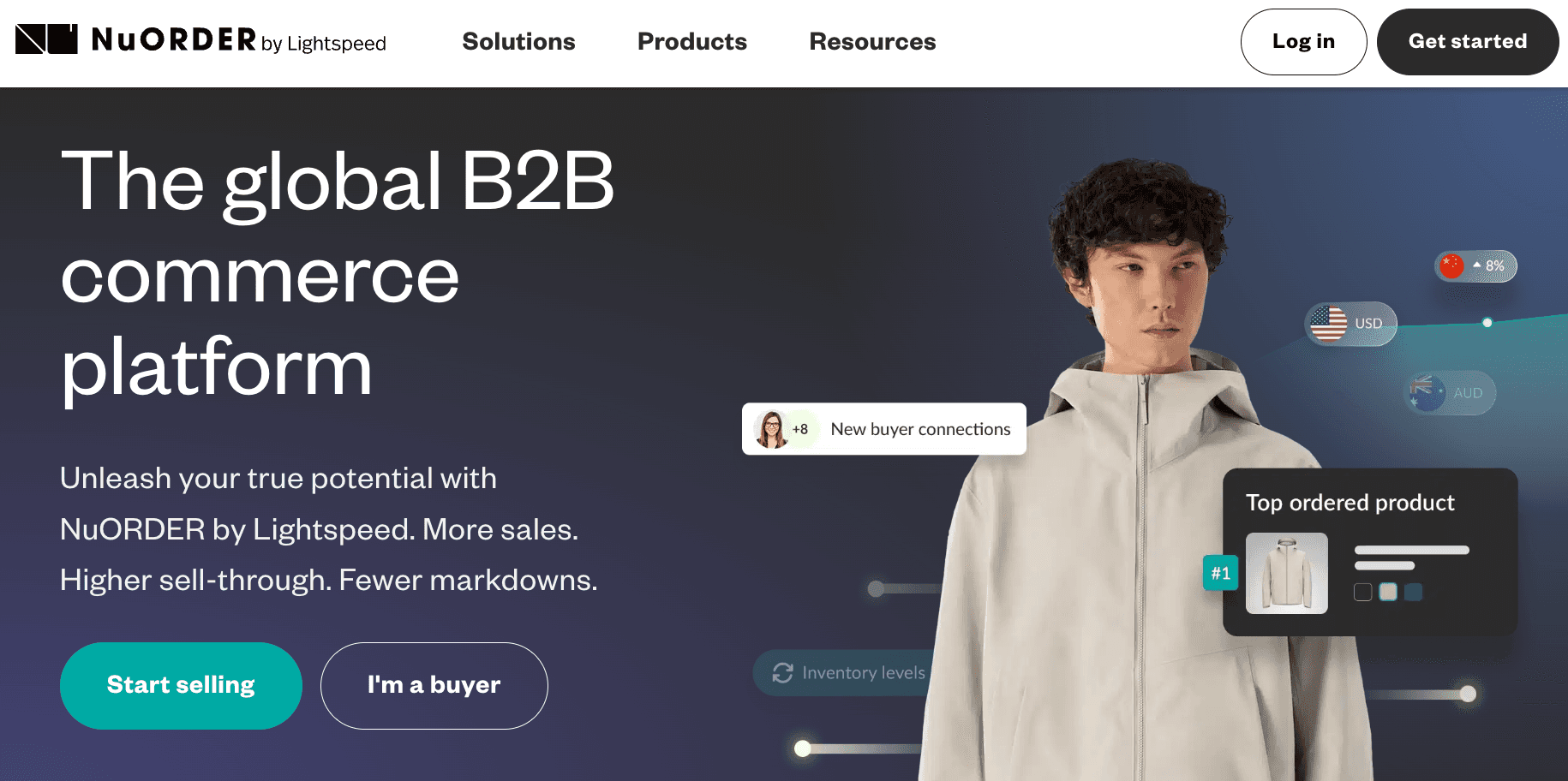
NuORDER by Lightspeed is a B2B e-commerce platform built for wholesale buying and selling. Brands can create digital catalogs, accept orders online, manage account-specific pricing, and connect product, inventory, and order data from other systems.
Retailers can use NuORDER to browse brands, review collections, and plan assortments with visual buying tools. It also supports order management, integrated payments, reporting, and connections with ERP, PLM, and POS systems.
NuORDER gives brands and retailers a shared digital environment for wholesale sales and buying, reducing reliance on disconnected catalogs, spreadsheets, and manual order entry.
9. MarketTime
Source: markettime.com
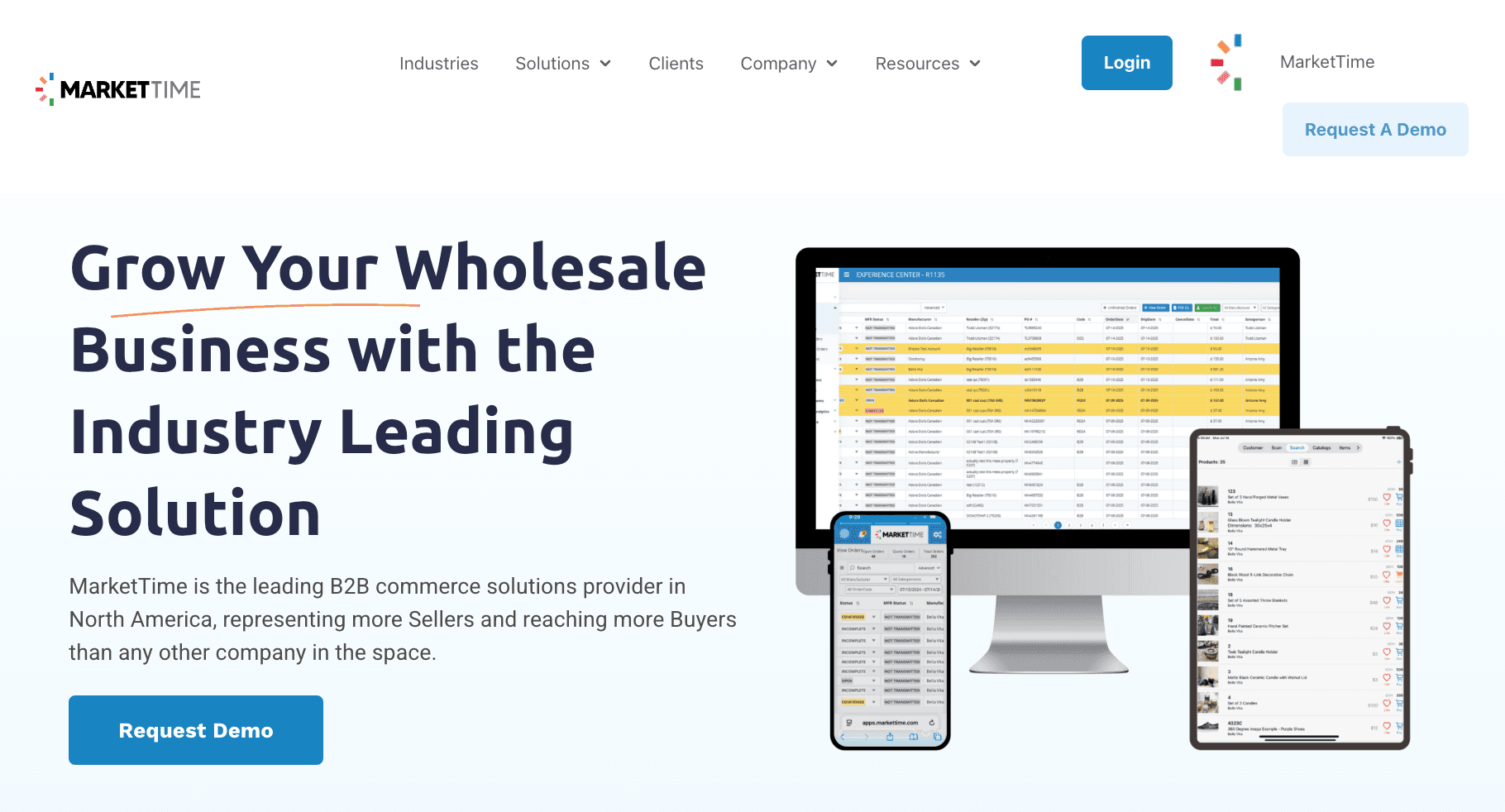
MarketTime is a B2B wholesale platform for brands, sales agencies, and retail buyers. It combines digital order writing with ecommerce tools for managing sales through reps, trade shows, and online buyer accounts.
Sales reps can write orders from mobile devices, access digital catalogs, and track buyer and product information. Brands can also provide approved customers with a branded ecommerce site where they can shop through self-service ordering.
The platform supports promotions and discounts, payments, order management, reporting, and connections with ERP and accounting systems.
MarketTime works well for wholesale businesses that sell through agencies or reps and need online buyer ordering and in-person order writing in the same system.
Fashion Production and Supply Chain Software
Fashion production and supply chain software helps coordinate the work between an approved product and its eventual delivery. Its scope can include sourcing, supplier management, production planning, factory coordination, quality control, shipments, and supply chain visibility.
The boundaries are not always strict. PLM and ERP platforms may include parts of these workflows too. Production and supply chain tools are grouped here because manufacturing, suppliers, quality, and product movement are central to their role.
10. WFX
Source: worldfashionexchange.com
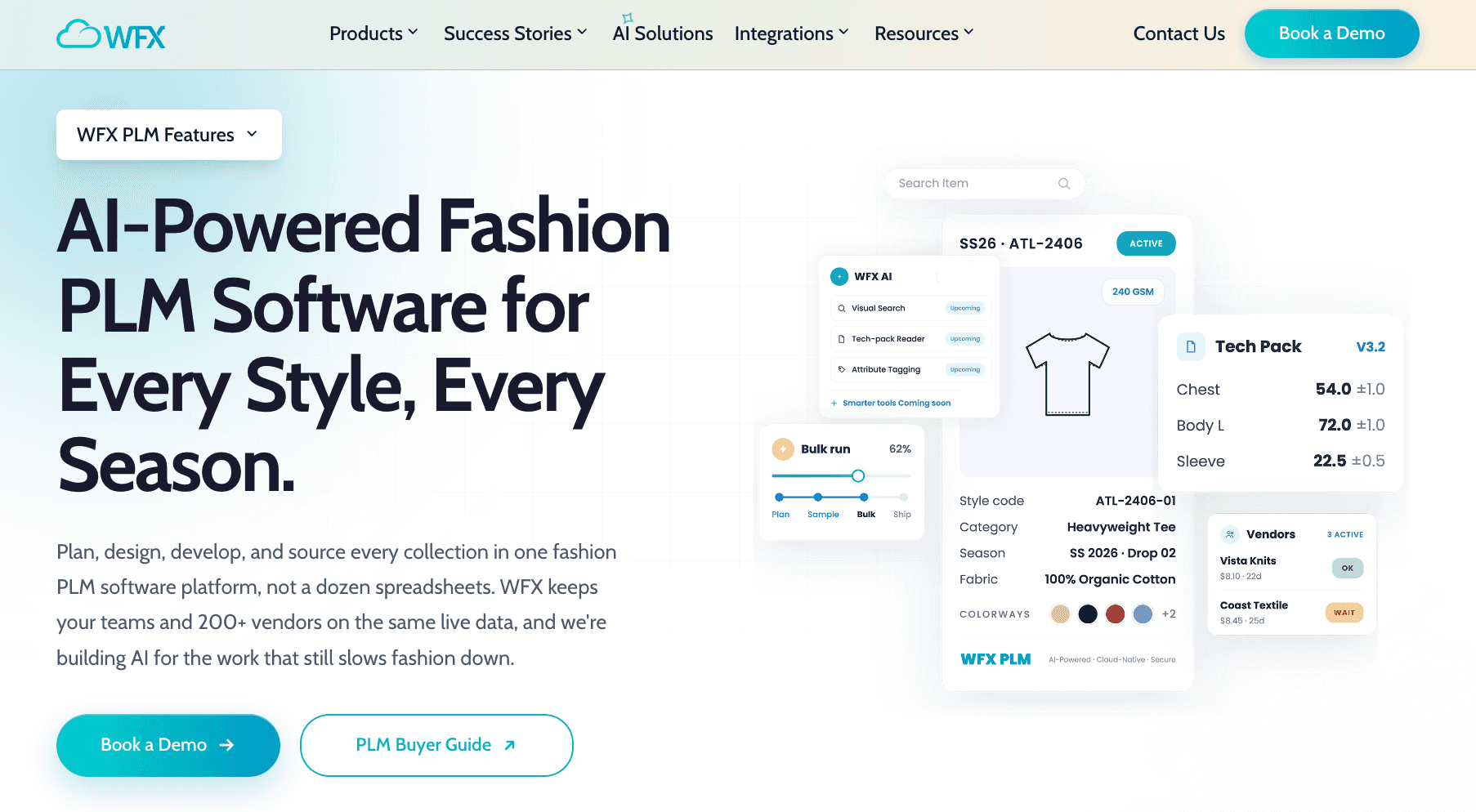
WFX is a fashion-focused PLM with sourcing and production capabilities that extend further into supplier and manufacturing workflows. It is built for apparel, footwear, accessories, and related categories that need product data and supplier activity connected in one system.
Relevant capabilities include tech packs, BOMs, material libraries, RFQs, costing, vendor portals, sample tracking, purchase orders, inspections, and production milestones. WFX also connects with tools such as Adobe Illustrator, NetSuite, SAP, Microsoft Dynamics, and AIMS360.
Its scope extends beyond basic PLM into sourcing and production management, allowing fashion businesses to manage product development and supplier workflows in the same environment.
11. Inspectorio
Source: inspectorio.com
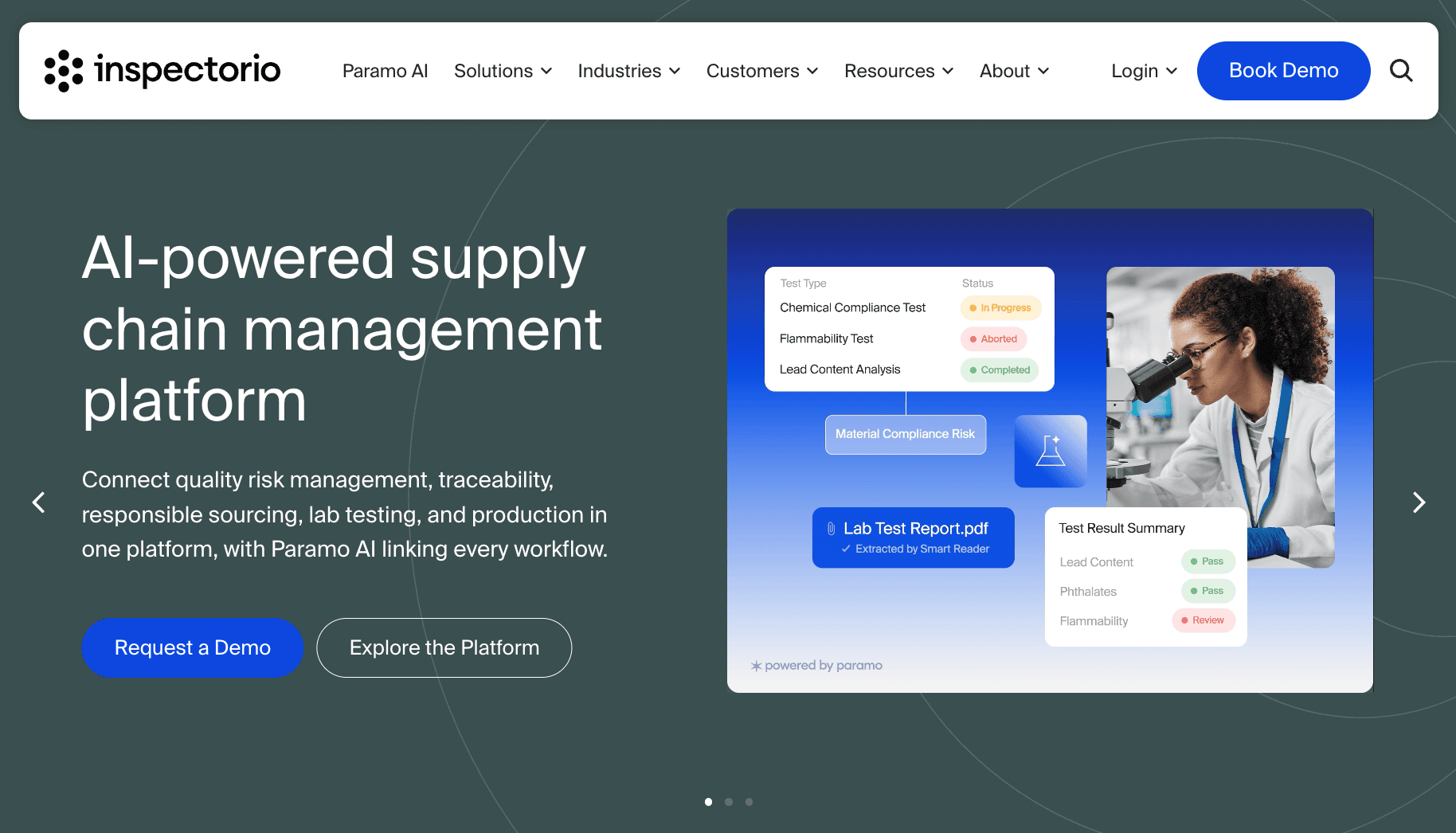
Inspectorio is a supply chain management platform that connects quality management, production tracking, responsible sourcing, traceability, and lab testing. It fits companies that need more visibility once products move into manufacturing and supplier workflows.
Fashion and footwear teams can use it to manage inspections, approvals, testing, production milestones, compliance records, and supplier activity. Its apparel-focused workflows also support seasonal timelines and audit-ready documentation for sourcing and material compliance.
Inspectorio is more specialized than a general PLM or ERP, with a focus on quality, production risk, and supplier performance.
12. Infor Nexus
Source: infor.com
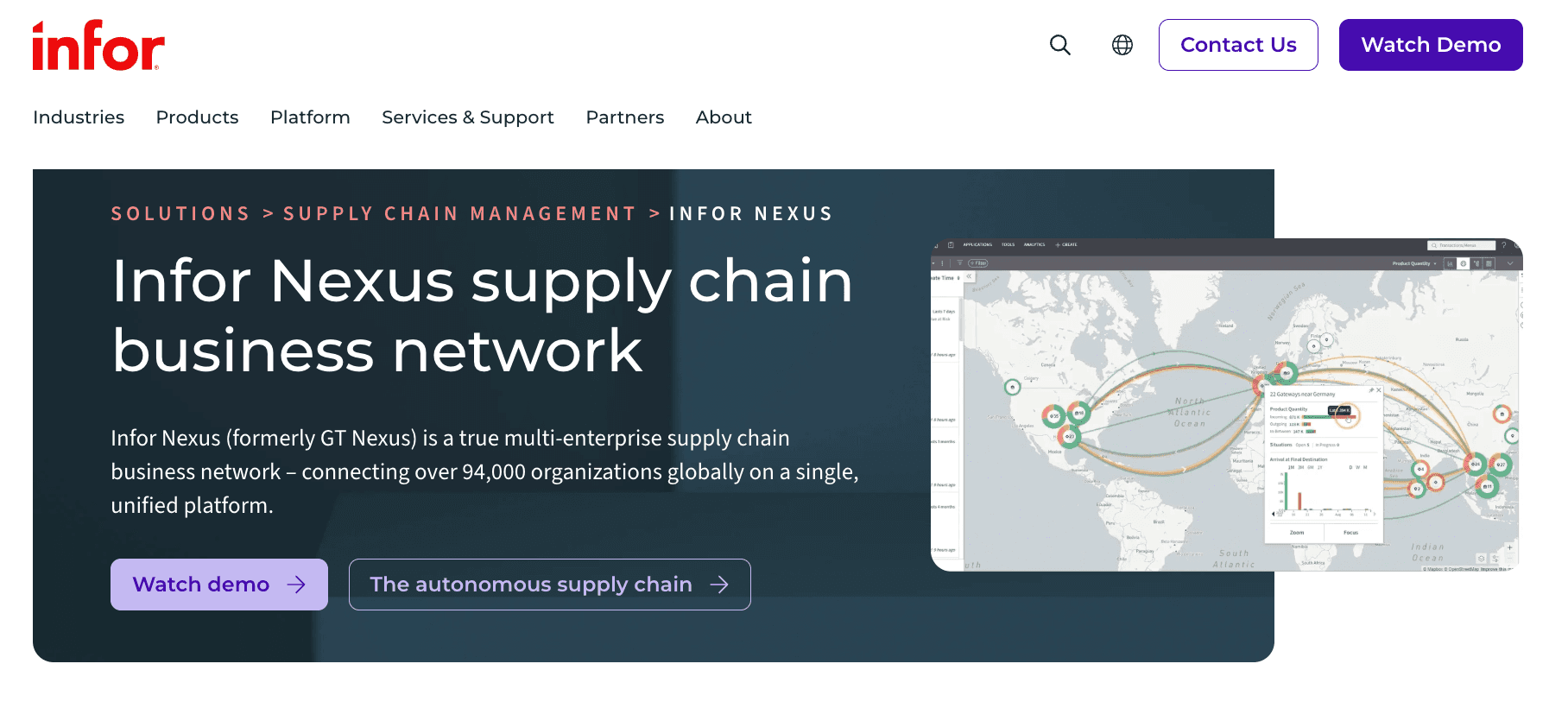
Infor Nexus is a supply chain platform that connects brands with suppliers, manufacturers, logistics providers, and other partners.
It provides visibility into orders, shipments, and inventory while supporting supplier management, transportation, traceability, and procure-to-pay workflows. Fashion companies can use it to follow goods through international supply chains and coordinate with multiple partners.
Infor Nexus serves organizations with large international supplier and logistics networks that need broader supply chain visibility rather than primarily product development or design tools.
Fashion Design Software
Design software sits closer to the creative side of product development. Designers use it to sketch garments, develop concepts, explore variations, create technical drawings, or visualize clothing in 3D.
The software you choose depends on the work you need to do. Illustration tools suit drawing and technical artwork, 3D platforms help visualize garments and fit, and AI fashion design tools can support faster concept exploration and visual variations.
13. Onbrand AI Design
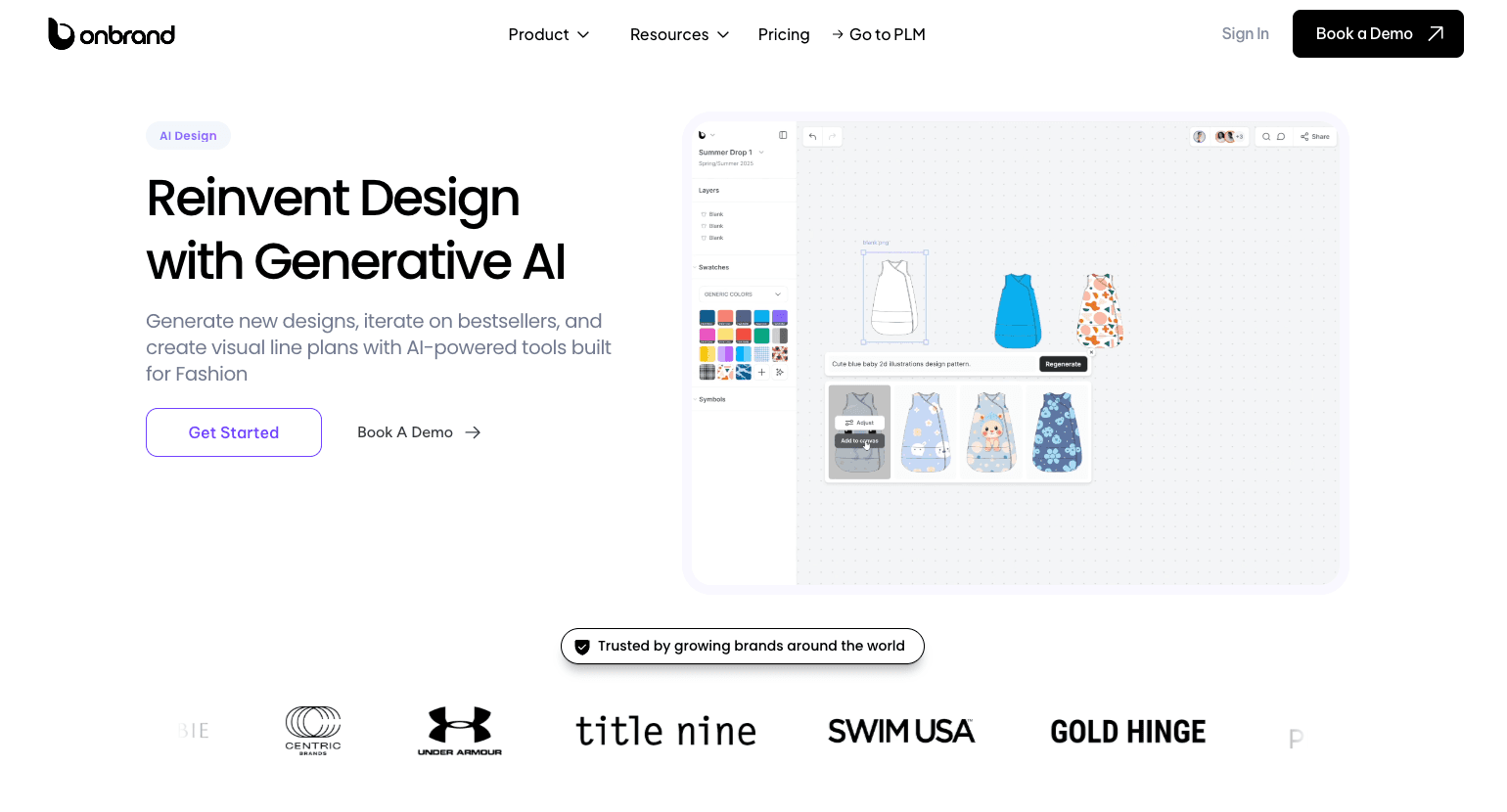
Onbrand AI Design is a fashion-specific creative workspace for early design exploration. Designers can start with text prompts, sketches, or reference photos and turn them into sketches, mockups, or photorealistic concepts.
Teams can explore variations of an existing idea, including new colorways, silhouettes, trims, and design details. Pantone and Coloro libraries support recoloring, while shared boards, mood boards, contextual comments, and version history give design and merchandising teams a visual space to review concepts together.
Once a direction is approved, designs and related assets can move into Onbrand PLM, where teams continue with tech packs and structured product development.
Onbrand reports 10x faster design turnaround, 30–50% fewer physical samples, thousands of dollars saved on external resources, and 10+ weeks saved each year.
Its main advantage is the connection between AI-assisted design exploration and the PLM process that follows, so creative work can stay connected to product development.
14. CLO 3D
Source: clo3d.com
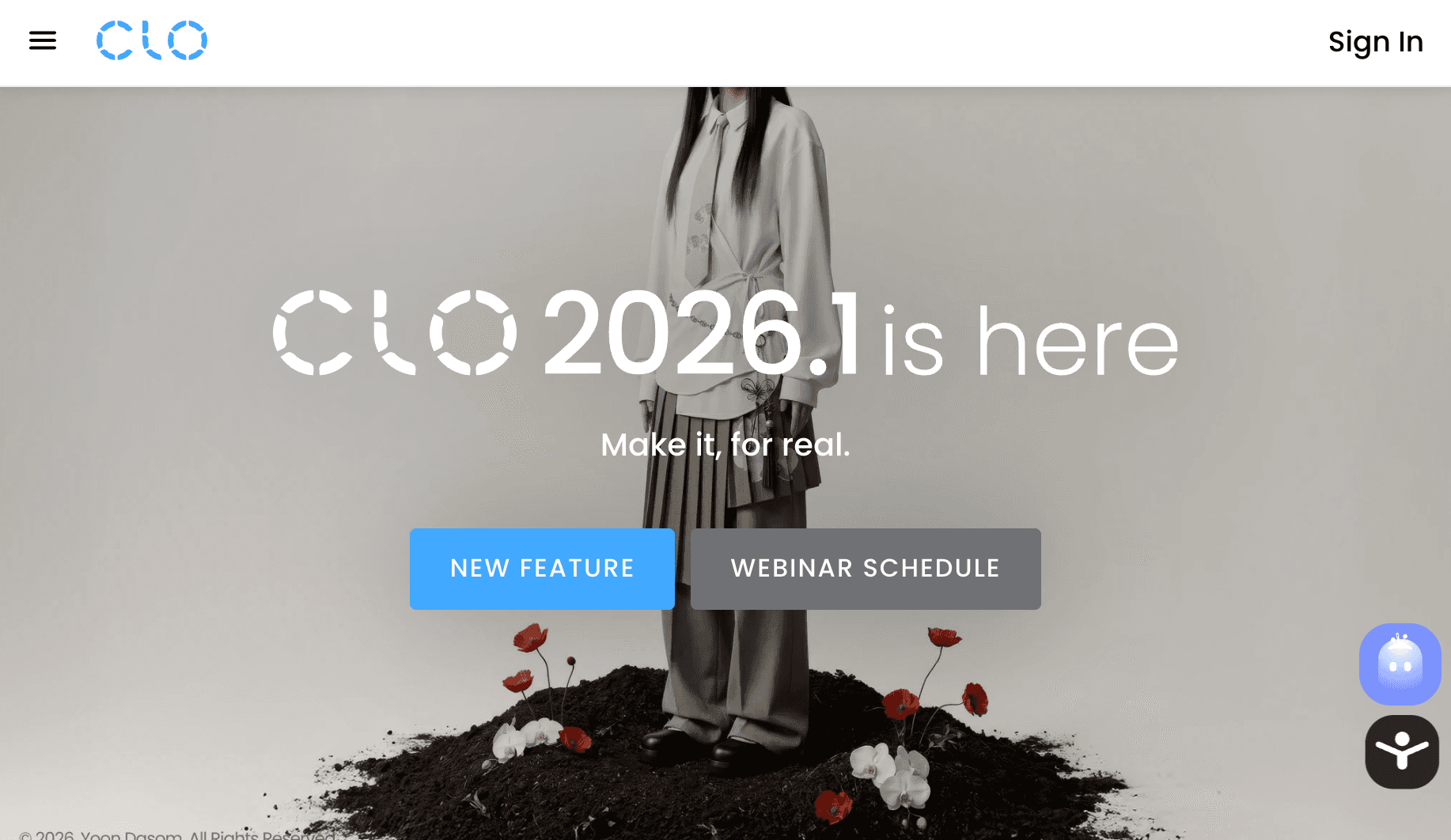
CLO 3D is a fashion design platform for creating and reviewing garments in 3D before physical sampling. It focuses on visualizing how a design may look, fit, and drape on a virtual avatar.
Designers can create virtual garments and assess details such as silhouette, fabric behavior, and fit. Teams can use these simulations to review design directions and make adjustments earlier in development.
Its virtual sampling and remote collaboration capabilities can also support design reviews before teams commit to physical samples.
CLO 3D focuses on detailed 3D garment visualization for fashion teams that want to review garments digitally during design and development.
15. Adobe Illustrator
Source: adobe.com
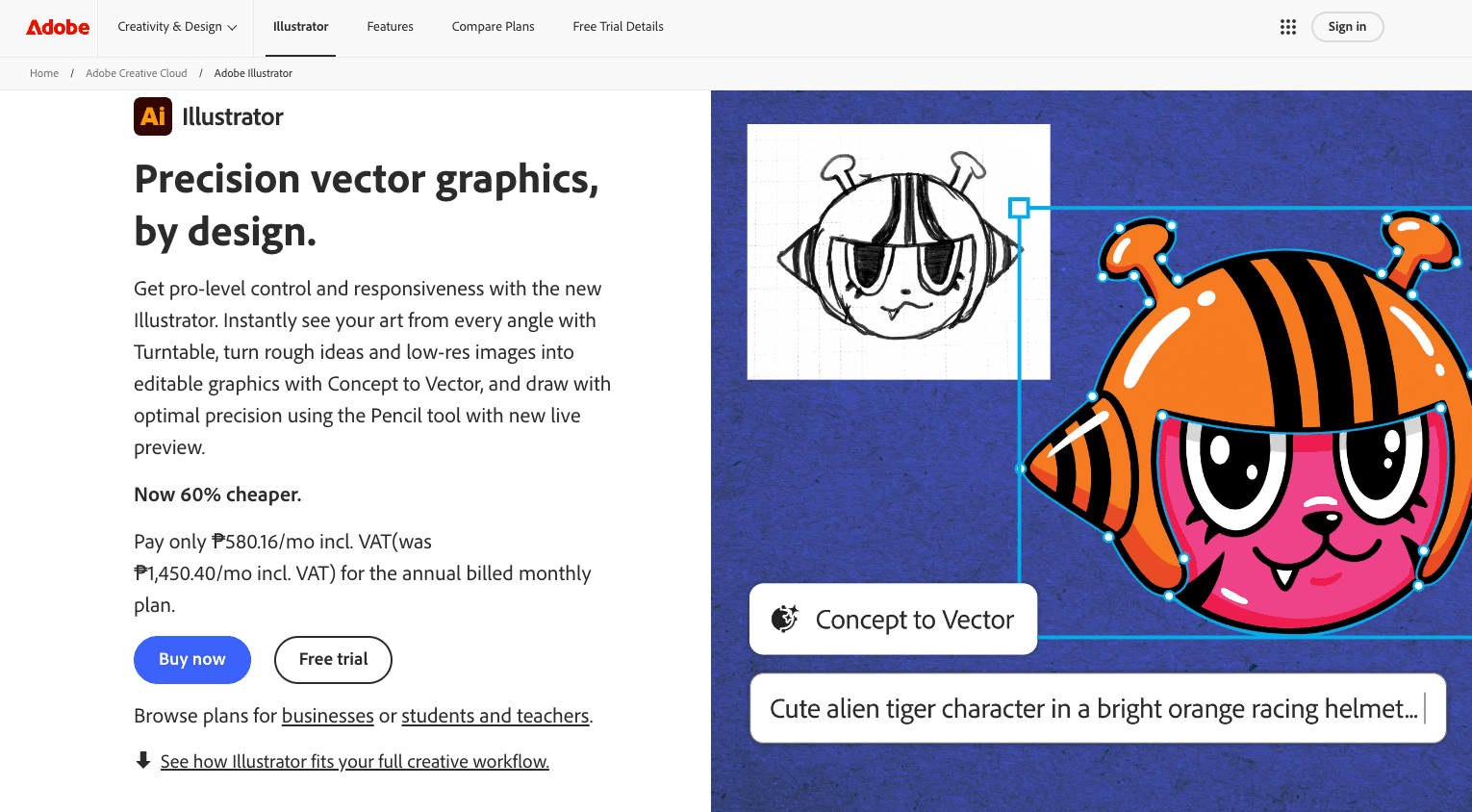
Adobe Illustrator is a vector graphics tool commonly used for fashion illustration and technical design. It fits the creative side of fashion workflows rather than inventory, sourcing, or business management.
Designers can create scalable garment sketches, flats, prints, patterns, logos, and other artwork with precise control over shapes, lines, and color. Vector files can be resized without losing quality, which is useful when preparing detailed design assets.
Illustrator also supports converting rough sketches and low-resolution images into editable vector graphics, giving designers a starting point for further refinement.
Its main value for fashion teams is precise vector-based design work, especially for designers who need detailed, editable artwork before products move into development.
How B2B Fashion Software Works Together
Fashion companies often use more than one type of software because each system supports a different part of the product journey.
A simple way to think about it is:
Design → Product Development → Production & Operations → Wholesale
The software categories follow a similar path:
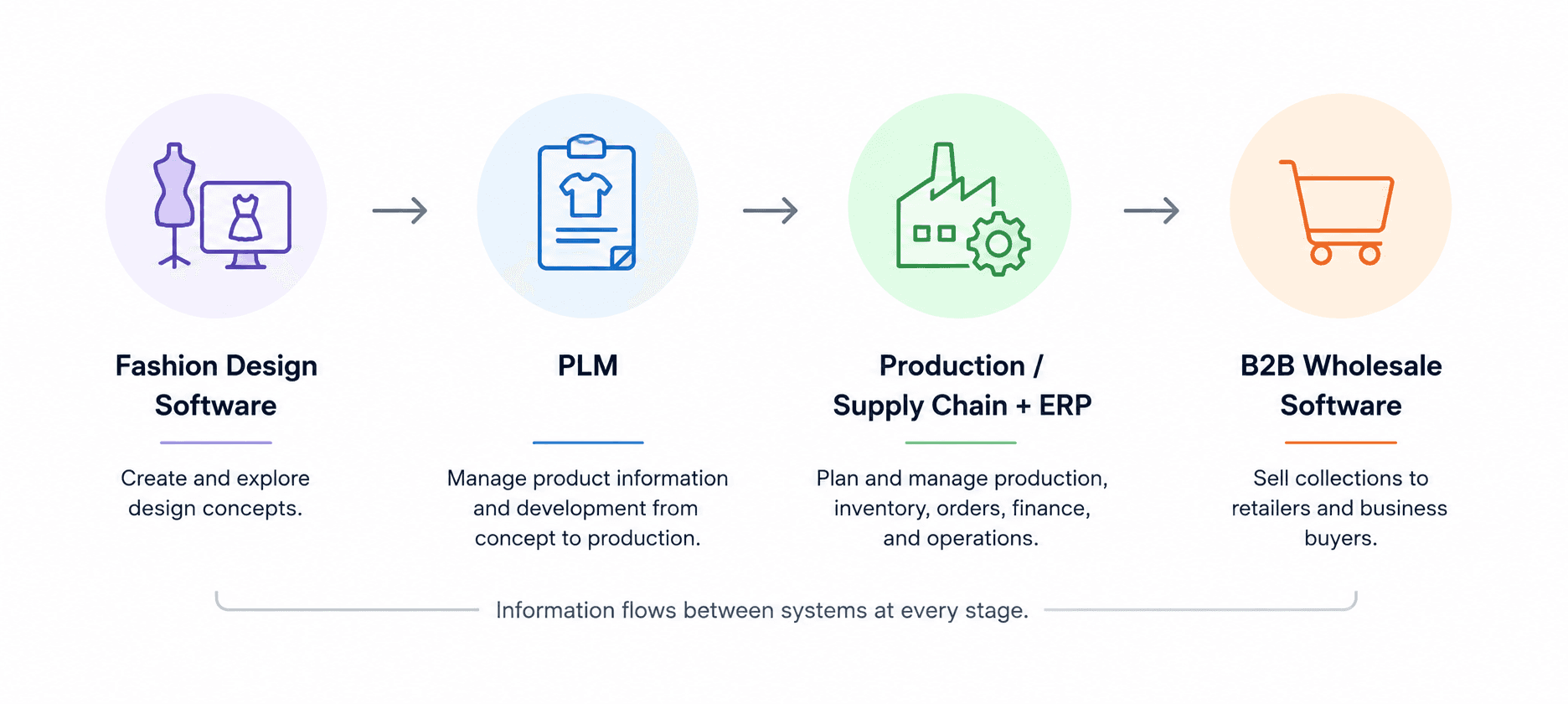
Design tools help turn early ideas into visual concepts. PLM carries approved concepts into structured clothing product development, where teams manage styles, materials, tech packs, samples, and approvals.
Production and supply chain systems support sourcing and manufacturing, while ERP handles operational records such as inventory, purchasing, and orders. Wholesale software then helps brands present and sell finished collections to retail buyers.
No single platform needs to handle every stage. The problem each system solves depends on where it fits in your workflow.
For example, Onbrand AI Design and Onbrand PLM connect the first two stages, so design concepts can continue into product development without treating design and PLM as separate parts of the process.
See how Onbrand connects early design work with structured product development. Book a demo.
How to Choose B2B Fashion Software
The right software depends on the part of your workflow you need to improve. Start with the work your team handles every day, then compare tools built for that specific purpose.
Identify the Workflow You Need to Manage
The best B2B software for your fashion business starts with the problem you are trying to solve. Ask practical questions about where work currently slows down, gets repeated, or becomes difficult to track.
For example:
Tech packs, samples, and product development → PLM
Inventory, purchasing, and business operations → ERP
Retail buyers and wholesale orders → B2B wholesale software
Sourcing, factories, and production visibility → Production and supply chain software
Garment concepts and visualization → Fashion design software
Start there before comparing individual features.
Check for Fashion-Specific Capabilities
A long feature list is not useful if the software does not fit the way your brand works.
Look at the information your chosen system actually needs to handle. A PLM may need to support styles, colorways, materials, BOMs, and seasons. Wholesale software may need product catalogs, buyer accounts, and ordering tools.
Focus on capabilities you will use in real workflows, not every feature available.
Consider Who Will Use the Platform
Think about who needs to work in the software and what they need from it.
Designers and product developers may need access to styles, materials, and approvals. Sourcing teams may work closely with suppliers and factories. Sales teams may need buyer and wholesale tools.
Include external partners too. If a software provider is going to act as a true partner, check how the system handles access for suppliers, manufacturers, and retail buyers.
Each external user should only need access to information relevant to their role.
Review Connections With Your Existing Software
New software rarely operates on its own.
Look at the systems your brand already relies on and identify where information needs to move between them. A PLM might need to connect with design or ERP software. A wholesale system may need product, inventory, or ecommerce data.
Pay particular attention to work your team would otherwise need to copy manually from one system to another.
Plan for More Products, Users, and Suppliers
Choose based on where your brand is heading, not only what you manage today.
Consider what happens when you add more collections, styles, users, suppliers, or retail partners. A system that works well for a small product range may become harder to manage once development involves more people and product information.
Look for software that can support that growth without forcing your team to rebuild its workflow every season.
Give Fashion Brands a Better Way to Develop Products With Onbrand
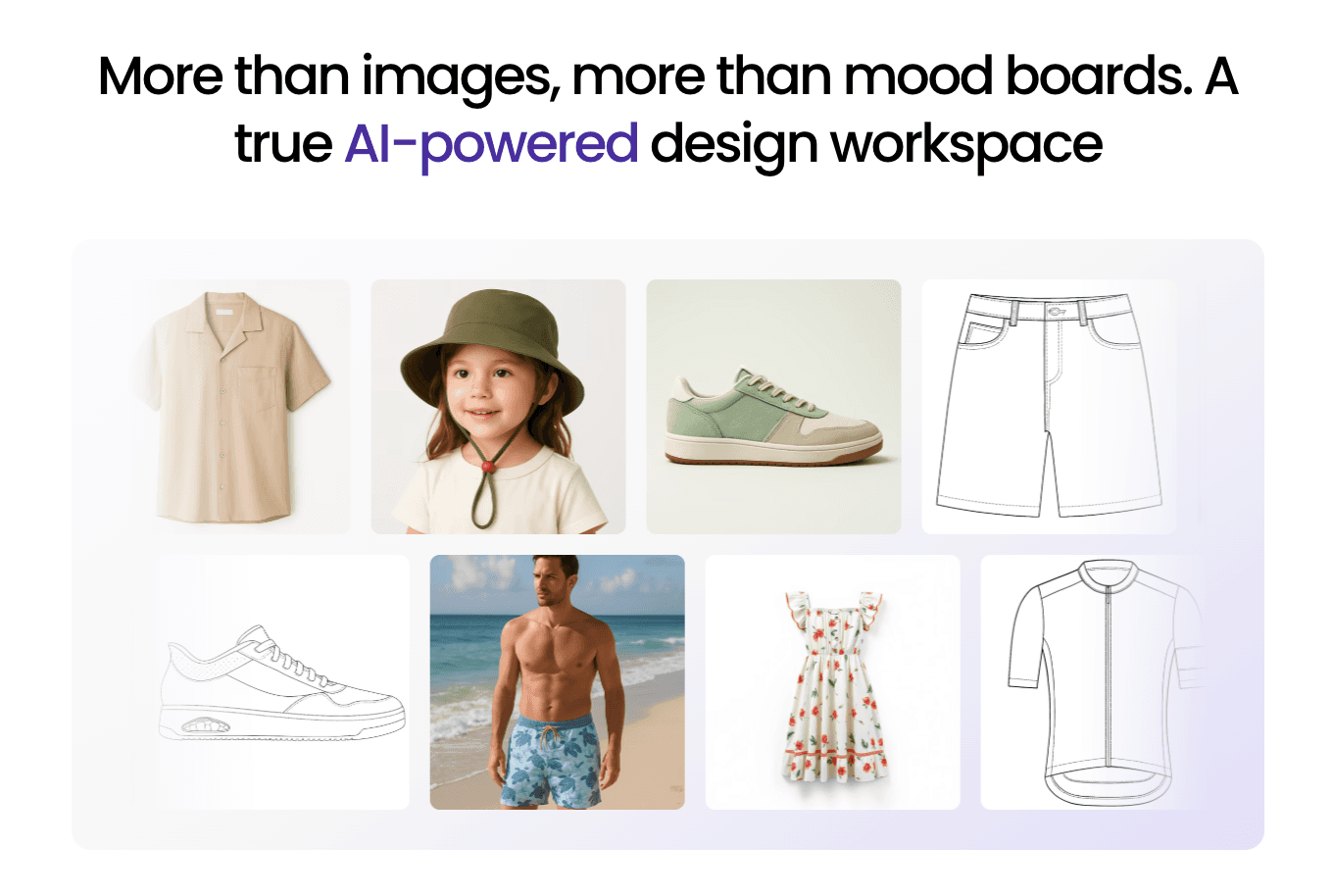
Choosing the right software starts with knowing which part of product development your team needs to improve.
Designers may need tools for concept creation and visualization, while product teams need structured systems for tech packs, materials, samples, approvals, and vendor communication.
The right combination depends on where your team needs more support. Onbrand brings two important parts of that process together. Onbrand AI Design gives teams a shared space to develop and refine concepts, while Onbrand PLM carries approved ideas into structured product development.
That connection helps fashion brands keep creative decisions and product information together as styles move toward production.
FAQs About B2B Fashion Software
What is B2B in fashion?
B2B in fashion refers to business transactions between fashion companies and other businesses, such as brands selling to retailers or working with suppliers and manufacturers. B2B fashion software can support product development, wholesale ordering, production, and supplier communication.
What companies use JOOR?
JOOR is used by fashion brands and retailers that manage wholesale buying and selling. Brands can present collections through digital showrooms, take wholesale orders, and manage payments, while retail buyers can review products, place orders, and manage buying activity through their buyer accounts.
What are the best B2B e-commerce platforms?
The best B2B e-commerce platform depends on how a fashion business sells to wholesale customers. Platforms such as JOOR, NuORDER, and MarketTime support digital catalogs, buyer accounts, wholesale orders, and online purchasing, which can reduce the amount of order information handled manually through email.
What is the best software for clothing design?
The best clothing design software depends on the type of work. Adobe Illustrator suits sketches and technical drawings, CLO 3D supports 3D garment visualization, and Onbrand AI Design supports AI-assisted concept development and design variations. Onbrand also supports comments and visual collaboration, so the conversation around a design can stay connected to the concept before it moves into Onbrand PLM.
What should fashion brands consider when giving external partners access to B2B software?
Fashion brands should check what suppliers, manufacturers, retailers, and other partners can access before choosing B2B software. Private product information may require restricted access, while permissions should reflect each partner's role. The right platform should also support external collaboration without exposing information that partners do not need.
ApparelMagic® is a registered trademark. ApparelMagic is not affiliated with or endorsing Onbrand.