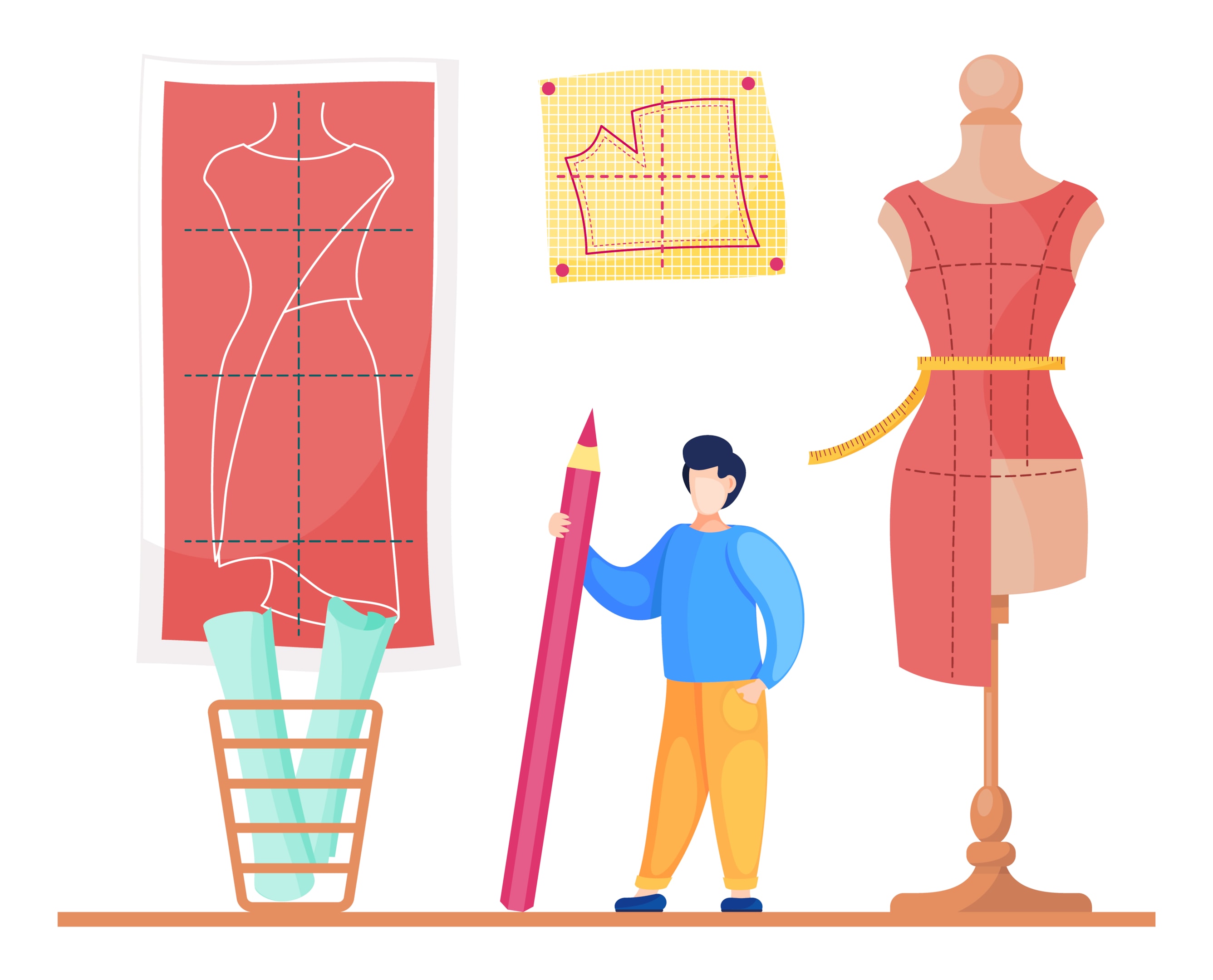
Technical Drawing in Fashion Explained for Fashion Teams
Jan 9, 2026


Have you ever approved a style only to see the sample come back looking different from what was expected?
In the fashion industry, small gaps in communication often turn into delays, rework, or confusion once apparel production begins.
When design intent lives only in sketches or verbal feedback, teams risk losing important detail as a collection moves forward.
This is where technical drawing starts to matter in fashion.
A technical drawing gives teams a shared visual reference for how a garment should take shape before work moves into sampling and production. It helps teams review and confirm details earlier, rather than relying on interpretation.
In this guide, we break down what technical drawings are, where they fit in the fashion workflow, and how modern teams can manage them more clearly as collections grow.
TL;DR
Technical drawing in fashion gives teams a clear visual reference that shows how a garment should be built, reducing errors between design, sampling, and production.
Technical drawings sit between early ideas and samples, guiding approvals, vendor communication, and tech pack creation.
Common formats include fashion flat sketches, multi-view drawings, and graded drawings, each supporting different stages of the design process.
Core details captured include proportions, construction notes, seams, measurements, and fabric or trim references.
Onbrand helps teams manage technical drawings from early concepts through production in one connected workflow.
What Is a Technical Drawing in Fashion?
Technical drawing in fashion refers to a clear, accurate visual of a garment that shows how it should be made.
Fashion designers and product teams rely on these drawings to document shape, construction, and fit in a way that supports fashion product development and production. The goal is clarity, not creativity.
In fashion workflows, illustration and technical drawing serve different roles. A technical drawing focuses on reality, using actual proportions so the whole team can reference the same version of a style as it moves forward.
Fashion illustration, on the other hand, helps communicate ideas or mood, whereas a technical sketch supports production. These drawings show garments laid flat with key construction details visible.
Technical drawings give fashion brands a shared reference point. They help teams communicate expectations, speed up approvals, and reduce confusion as styles progress from concept to production.
Where Technical Drawings Fit in the Fashion Design Process
Technical drawings (tech sketches) sit between early ideas and physical samples. Once a style moves past inspiration and initial sketches, teams need a clear reference before work continues.
This is often the point where designers and developers review a technical drawing to confirm shape, proportions, and key details before decisions are locked in.
During product development, technical drawings guide sampling and approvals. They help teams develop styles with fewer assumptions, especially for items like t-shirt design, dresses, or garments with detailed sleeves, collars, or prints.
Drawings give vendors clear instructions, which helps save time during revisions and reduces delays.
As styles move through stages, technical drawings carry design intent into production. They support tech packs, material selection, and vendor conversations across the apparel industry.
A shared drawing keeps expectations clear and helps teams move from concept to production with more confidence.
Common Technical Drawing Formats Used by Fashion Teams
Fashion teams rely on different technical drawing formats at different stages of the fashion design process. Each format supports clearer decisions, smoother handoffs, and better coordination.
Fashion Flat Sketches
Fashion flat sketches (also called technical flat sketches) show garments laid flat in a clear 2D view without models, poses, or styling, often refined later in Adobe Illustrator.
They focus on construction details like seams, proportions, and key design elements. These sketches support alignment before work moves into tech packs and specification management.
Front, Back, and Side Views
Multi-view drawings present a garment from all angles to clarify construction details. These views help teams review seams, collars, sleeves, and accessories during development.
They are often referenced during vendor reviews, apparel inspection, and quality control checks.
Graded Drawings
Graded drawings show how a style changes across sizes, for example, when reviewing fit across a size range. Teams use them to support size reviews, assortment planning, and production planning.
Clear grading helps avoid fit issues as styles scale across a collection.
Core Information Captured in Fashion Technical Drawings
Fashion technical drawings act as a shared reference across the fashion industry, especially once styles move into tech packs and production planning.
They capture the details teams need to review, approve, and hand off work without guesswork or repeated follow-ups.
Most drawings include:
Garment proportions and structure - Clear visuals show how clothes sit on the body, supporting balance and scale reviews.
Construction callouts and finishing notes - Details explain how pieces come together, supporting quality control and vendor clarity.
Stitching and seam placement - Seam lines guide sewing and reduce interpretation during sampling.
Measurements and tolerances - Dimensions align with expectations before production begins.
Fabric and trim identification - Notes connect drawings to materials and colours stored in product data management systems.
Teams often create and refine drawings using tools like Onbrand AI Design or Adobe Illustrator during early concept work, then manage approved versions inside fashion PLM systems. Files may also be shared in a white version or SVG format to stay consistent through reviews and approvals.
How Technical Drawings Support Cross-Team Collaboration
Technical drawings help teams work from the same source once a style moves beyond early ideas.
Designers use them to hand off clear intent to development and production teams, reducing the need for follow-up explanations.
In sourcing and vendor conversations, technical drawings act as a neutral reference.
Vendors can review construction, materials, and expectations directly, which supports clearer sample feedback and more focused cost and timeline discussions.
During sampling, technical drawings keep feedback grounded in the same visual context.
When teams review updates inside tech packs, approvals stay focused and act as a clear sign to move forward without relying on email threads, paper notes, or past posts.
This approach supports smoother collaboration with internal teams, vendors, and clients as collections grow.
Managing Technical Drawings as Collections Scale
As collections grow, technical drawings change more often.
Styles change, details get updated, and teams need a clear way to track what is current without slowing work down. When drawings are stored in multiple files or tools, updates are easy to miss.
Managing drawings at scale means keeping each version tied to the right style and tech pack. Teams need to know which file to review, which notes are approved, and what has already been shared with vendors.
This consistency helps internal teams and external partners stay aligned as timelines tighten.
A structured approach keeps drawings professional and reliable across projects.
Instead of searching through old files or templates, teams work from a single source, which allows for smoother reviews and fewer corrections as collections expand.
Onbrand: The Connected System for Managing Technical Drawings
Onbrand helps fashion teams manage technical drawings from early design through production without losing context or control.
Onbrand AI Design supports early visual exploration and alignment, while Onbrand PLM manages approved drawings inside tech packs and production workflows, so styles stay accurate as work moves forward.
Onbrand AI Design for Early Drawing Clarity
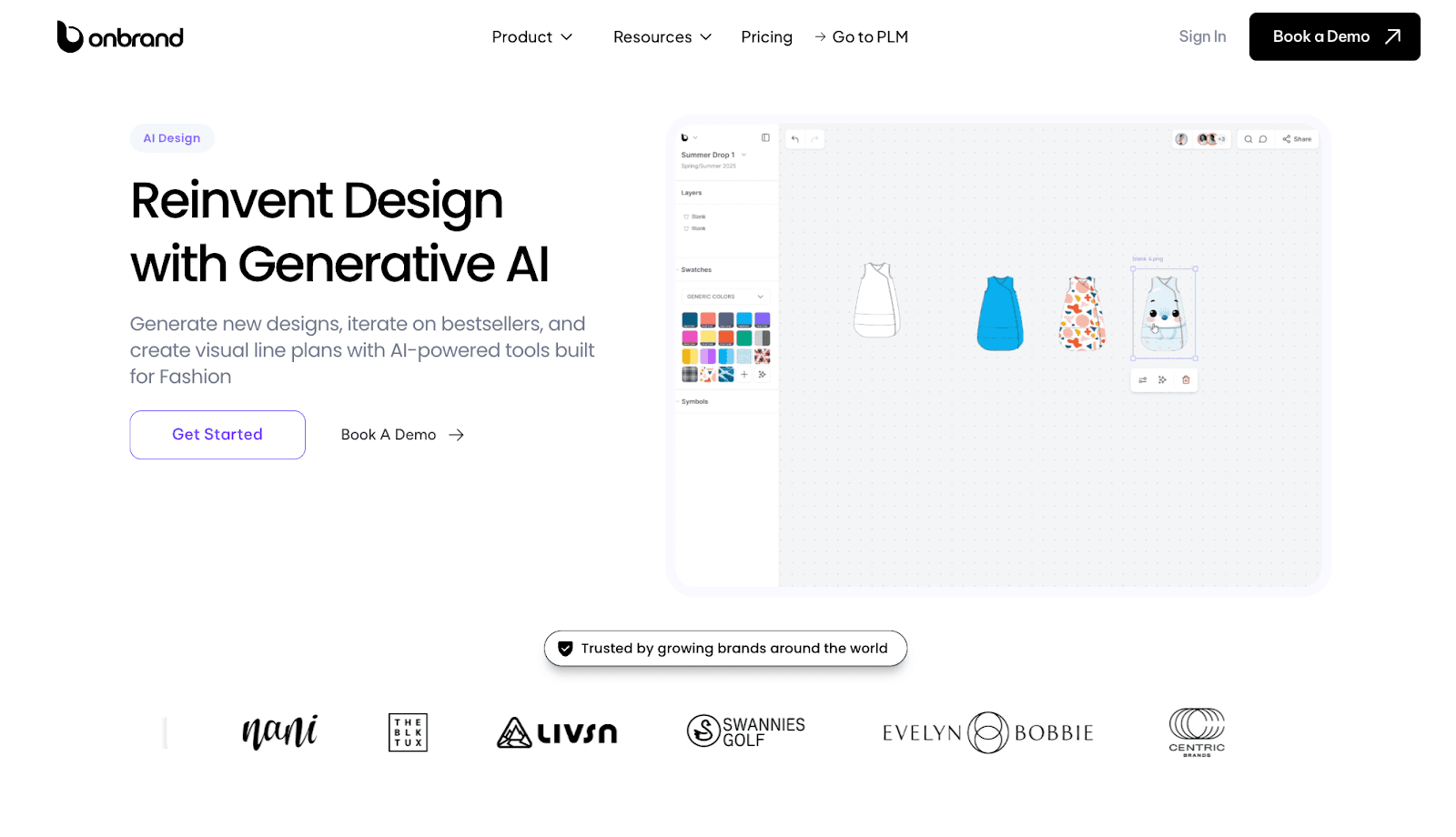
Teams use Onbrand AI Design to explore options earlier and align before samples, allowing for limitless creativity while keeping development on track. Brands report 30–50% fewer physical samples and 10x faster design turnaround when early visuals get reviewed sooner.
Key Features
Generative image creation - Generate photorealistic design options from a prompt, sketch, or reference image.
Automated technical sketch creation - Create flats and sketches quickly for early reviews.
Mood board and inspiration tools - Collect references in one place, add notes, and keep context with the style.
Real-time co-editing - Work on the same canvas with other designers and keep feedback attached to the visual.
Version history and rollback - Compare iterations and return to an earlier version when needed.
PLM connection - Send approved visuals and assets into Onbrand PLM when the team is ready to build.
Onbrand PLM for Production Ready Documentation
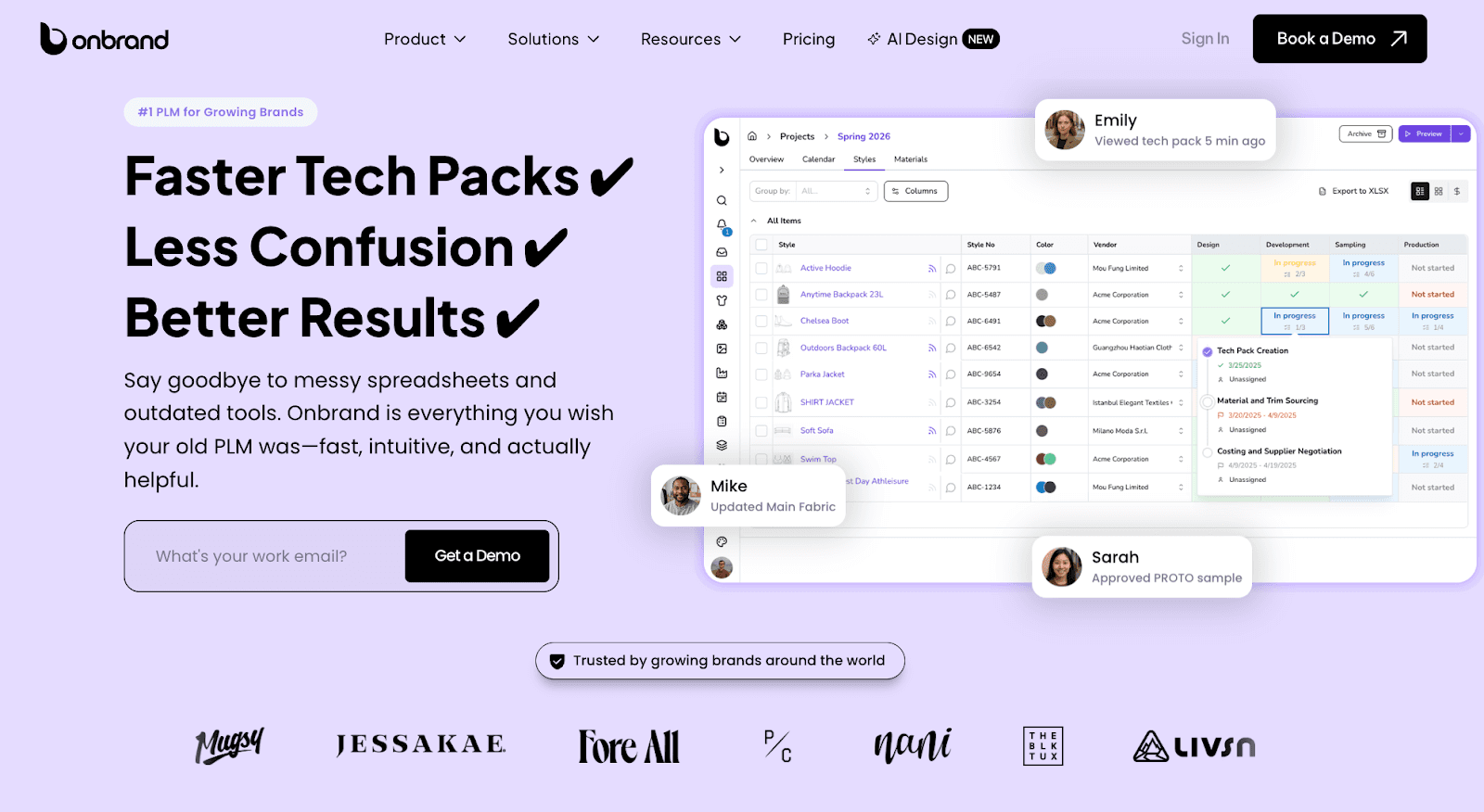
Onbrand PLM keeps technical drawings tied to the tech pack, sample status, and vendor communication. Teams report 55% faster tech pack creation, plus a four-week reduction in development after switching from spreadsheets and PDF-based workflows.
Key Features
Live tech packs - Keep drawings, measurements, materials, and updates in one web-based source.
Sample management - Track sample rounds, approvals, and comments next to the correct version.
Product data libraries - Store fabrics, colors, artwork, and specifications so teams reuse accurate inputs.
Vendor collaboration - Share tech packs with partners and keep questions and replies attached to the style.
Project management - Track stages, tasks, approvals, and time and action dates across the line.
Together, Onbrand AI Design and Onbrand PLM give fashion teams a clear path from early visuals to production-ready documentation, with fewer handoffs and fewer version mix-ups.
FAQs About Technical Drawing Fashion
What does a fashion technical designer do?
A fashion technical designer turns creative ideas into production-ready garments by creating and maintaining technical drawings, measurements, and tech packs. They work closely with designers, developers, and factories to confirm fit, construction, and materials, which is essential for keeping samples and production aligned.
What is CAD fashion design?
CAD fashion design refers to using CAD software to create technical drawings, flats, and specifications for garments. These tools help teams document designs accurately, make updates faster, and share files across teams, which makes sense for brands managing multiple styles and timelines.
What is a fashion drawing called?
A fashion drawing can have different names depending on its purpose. Creative visuals are often called fashion illustrations, while production-focused drawings are called technical drawings, technical sketches, or fashion flats. Brands interested in smoother development rely on technical drawings because they communicate how a garment should be built in the real fashion world.
How do patterns relate to technical drawings in fashion?
Patterns and technical drawings work together during garment development. Technical drawings show how a design should look and be constructed, while a pattern translates those visuals into pieces used for cutting and sewing. For a fashion business, keeping patterns aligned with technical drawings helps teams avoid fit issues and maintain consistency as styles move into sampling and production.
Have you ever approved a style only to see the sample come back looking different from what was expected?
In the fashion industry, small gaps in communication often turn into delays, rework, or confusion once apparel production begins.
When design intent lives only in sketches or verbal feedback, teams risk losing important detail as a collection moves forward.
This is where technical drawing starts to matter in fashion.
A technical drawing gives teams a shared visual reference for how a garment should take shape before work moves into sampling and production. It helps teams review and confirm details earlier, rather than relying on interpretation.
In this guide, we break down what technical drawings are, where they fit in the fashion workflow, and how modern teams can manage them more clearly as collections grow.
TL;DR
Technical drawing in fashion gives teams a clear visual reference that shows how a garment should be built, reducing errors between design, sampling, and production.
Technical drawings sit between early ideas and samples, guiding approvals, vendor communication, and tech pack creation.
Common formats include fashion flat sketches, multi-view drawings, and graded drawings, each supporting different stages of the design process.
Core details captured include proportions, construction notes, seams, measurements, and fabric or trim references.
Onbrand helps teams manage technical drawings from early concepts through production in one connected workflow.
What Is a Technical Drawing in Fashion?
Technical drawing in fashion refers to a clear, accurate visual of a garment that shows how it should be made.
Fashion designers and product teams rely on these drawings to document shape, construction, and fit in a way that supports fashion product development and production. The goal is clarity, not creativity.
In fashion workflows, illustration and technical drawing serve different roles. A technical drawing focuses on reality, using actual proportions so the whole team can reference the same version of a style as it moves forward.
Fashion illustration, on the other hand, helps communicate ideas or mood, whereas a technical sketch supports production. These drawings show garments laid flat with key construction details visible.
Technical drawings give fashion brands a shared reference point. They help teams communicate expectations, speed up approvals, and reduce confusion as styles progress from concept to production.
Where Technical Drawings Fit in the Fashion Design Process
Technical drawings (tech sketches) sit between early ideas and physical samples. Once a style moves past inspiration and initial sketches, teams need a clear reference before work continues.
This is often the point where designers and developers review a technical drawing to confirm shape, proportions, and key details before decisions are locked in.
During product development, technical drawings guide sampling and approvals. They help teams develop styles with fewer assumptions, especially for items like t-shirt design, dresses, or garments with detailed sleeves, collars, or prints.
Drawings give vendors clear instructions, which helps save time during revisions and reduces delays.
As styles move through stages, technical drawings carry design intent into production. They support tech packs, material selection, and vendor conversations across the apparel industry.
A shared drawing keeps expectations clear and helps teams move from concept to production with more confidence.
Common Technical Drawing Formats Used by Fashion Teams
Fashion teams rely on different technical drawing formats at different stages of the fashion design process. Each format supports clearer decisions, smoother handoffs, and better coordination.
Fashion Flat Sketches
Fashion flat sketches (also called technical flat sketches) show garments laid flat in a clear 2D view without models, poses, or styling, often refined later in Adobe Illustrator.
They focus on construction details like seams, proportions, and key design elements. These sketches support alignment before work moves into tech packs and specification management.
Front, Back, and Side Views
Multi-view drawings present a garment from all angles to clarify construction details. These views help teams review seams, collars, sleeves, and accessories during development.
They are often referenced during vendor reviews, apparel inspection, and quality control checks.
Graded Drawings
Graded drawings show how a style changes across sizes, for example, when reviewing fit across a size range. Teams use them to support size reviews, assortment planning, and production planning.
Clear grading helps avoid fit issues as styles scale across a collection.
Core Information Captured in Fashion Technical Drawings
Fashion technical drawings act as a shared reference across the fashion industry, especially once styles move into tech packs and production planning.
They capture the details teams need to review, approve, and hand off work without guesswork or repeated follow-ups.
Most drawings include:
Garment proportions and structure - Clear visuals show how clothes sit on the body, supporting balance and scale reviews.
Construction callouts and finishing notes - Details explain how pieces come together, supporting quality control and vendor clarity.
Stitching and seam placement - Seam lines guide sewing and reduce interpretation during sampling.
Measurements and tolerances - Dimensions align with expectations before production begins.
Fabric and trim identification - Notes connect drawings to materials and colours stored in product data management systems.
Teams often create and refine drawings using tools like Onbrand AI Design or Adobe Illustrator during early concept work, then manage approved versions inside fashion PLM systems. Files may also be shared in a white version or SVG format to stay consistent through reviews and approvals.
How Technical Drawings Support Cross-Team Collaboration
Technical drawings help teams work from the same source once a style moves beyond early ideas.
Designers use them to hand off clear intent to development and production teams, reducing the need for follow-up explanations.
In sourcing and vendor conversations, technical drawings act as a neutral reference.
Vendors can review construction, materials, and expectations directly, which supports clearer sample feedback and more focused cost and timeline discussions.
During sampling, technical drawings keep feedback grounded in the same visual context.
When teams review updates inside tech packs, approvals stay focused and act as a clear sign to move forward without relying on email threads, paper notes, or past posts.
This approach supports smoother collaboration with internal teams, vendors, and clients as collections grow.
Managing Technical Drawings as Collections Scale
As collections grow, technical drawings change more often.
Styles change, details get updated, and teams need a clear way to track what is current without slowing work down. When drawings are stored in multiple files or tools, updates are easy to miss.
Managing drawings at scale means keeping each version tied to the right style and tech pack. Teams need to know which file to review, which notes are approved, and what has already been shared with vendors.
This consistency helps internal teams and external partners stay aligned as timelines tighten.
A structured approach keeps drawings professional and reliable across projects.
Instead of searching through old files or templates, teams work from a single source, which allows for smoother reviews and fewer corrections as collections expand.
Onbrand: The Connected System for Managing Technical Drawings
Onbrand helps fashion teams manage technical drawings from early design through production without losing context or control.
Onbrand AI Design supports early visual exploration and alignment, while Onbrand PLM manages approved drawings inside tech packs and production workflows, so styles stay accurate as work moves forward.
Onbrand AI Design for Early Drawing Clarity

Teams use Onbrand AI Design to explore options earlier and align before samples, allowing for limitless creativity while keeping development on track. Brands report 30–50% fewer physical samples and 10x faster design turnaround when early visuals get reviewed sooner.
Key Features
Generative image creation - Generate photorealistic design options from a prompt, sketch, or reference image.
Automated technical sketch creation - Create flats and sketches quickly for early reviews.
Mood board and inspiration tools - Collect references in one place, add notes, and keep context with the style.
Real-time co-editing - Work on the same canvas with other designers and keep feedback attached to the visual.
Version history and rollback - Compare iterations and return to an earlier version when needed.
PLM connection - Send approved visuals and assets into Onbrand PLM when the team is ready to build.
Onbrand PLM for Production Ready Documentation

Onbrand PLM keeps technical drawings tied to the tech pack, sample status, and vendor communication. Teams report 55% faster tech pack creation, plus a four-week reduction in development after switching from spreadsheets and PDF-based workflows.
Key Features
Live tech packs - Keep drawings, measurements, materials, and updates in one web-based source.
Sample management - Track sample rounds, approvals, and comments next to the correct version.
Product data libraries - Store fabrics, colors, artwork, and specifications so teams reuse accurate inputs.
Vendor collaboration - Share tech packs with partners and keep questions and replies attached to the style.
Project management - Track stages, tasks, approvals, and time and action dates across the line.
Together, Onbrand AI Design and Onbrand PLM give fashion teams a clear path from early visuals to production-ready documentation, with fewer handoffs and fewer version mix-ups.
FAQs About Technical Drawing Fashion
What does a fashion technical designer do?
A fashion technical designer turns creative ideas into production-ready garments by creating and maintaining technical drawings, measurements, and tech packs. They work closely with designers, developers, and factories to confirm fit, construction, and materials, which is essential for keeping samples and production aligned.
What is CAD fashion design?
CAD fashion design refers to using CAD software to create technical drawings, flats, and specifications for garments. These tools help teams document designs accurately, make updates faster, and share files across teams, which makes sense for brands managing multiple styles and timelines.
What is a fashion drawing called?
A fashion drawing can have different names depending on its purpose. Creative visuals are often called fashion illustrations, while production-focused drawings are called technical drawings, technical sketches, or fashion flats. Brands interested in smoother development rely on technical drawings because they communicate how a garment should be built in the real fashion world.
How do patterns relate to technical drawings in fashion?
Patterns and technical drawings work together during garment development. Technical drawings show how a design should look and be constructed, while a pattern translates those visuals into pieces used for cutting and sewing. For a fashion business, keeping patterns aligned with technical drawings helps teams avoid fit issues and maintain consistency as styles move into sampling and production.

Discover how Onbrand PLM can streamline your product development!
© 2024 onbrandplm.com. All rights reserved.
© 2024 Onbrand. All rights reserved.

