6 WFX PLM Alternatives Fashion Teams Should Consider in 2026

6 WFX PLM Alternatives Fashion Teams Should Consider in 2026

Feb 3, 2026

WFX PLM Alternatives

If you’re using WFX PLM, you already understand the value of having one system for product development. Tech packs, timelines, and vendor communication matter when you handle multiple styles at once.

But as collections grow, the day-to-day work changes. You may need faster updates, clearer approvals, or a setup that fits how your design and production teams actually collaborate.

When the system feels harder to adapt than the workflow itself, teams naturally start looking for product lifecycle management (PLM) alternatives.

This shift isn’t about replacing structure. It’s about finding a platform that supports clearer collaboration, simpler updates, and better visibility across the entire product process.

Below, we walk through how fashion teams use WFX PLM today and highlight the best WFX PLM alternatives worth considering in 2026.

TL;DR

These are the best WFX PLM alternatives for fashion teams in 2026:

  1. Onbrand PLM

  2. Backbone PLM

  3. DeSL PLM

  4. ReChain PLM

  5. Centric PLM

  6. CGS BlueCherry PLM

What Is WFX PLM Used For Across Various Industries?

Fashion brands use WFX PLM to organize and control day-to-day fashion product development work as styles move from concept to production.

It gives you one place to manage tech packs, materials, timelines, and vendor feedback instead of spreading updates across emails and folders.

Most brands rely on WFX PLM to keep specifications accurate during sampling and manufacturing.

Designers and developers use it to update measurements, fabrics, and construction notes, allowing users across production to track approvals and changes tied to each style.

Because it operates as a cloud-based platform, WFX PLM supports real-time access for designers, developers, and vendors working in different locations.

For many medium-sized companies and small businesses, it functions as a shared system that keeps information consistent from early design through bulk production and supports alignment as collections grow.

Why Fashion Teams Look for WFX PLM Alternatives

Many fashion brands start with WFX PLM because it’s a common option for organizing tech packs and production data.

Over time, the way you work often changes — collections grow, more vendors get involved, and updates move faster across product teams and departments.

One common reason brands explore alternatives is the need for better integration capabilities with other business applications, like design tools or sourcing systems.

Some teams also look for stronger real-time collaboration tools that make it easier for distributed teams and manufacturers to stay aligned during sampling and approvals.

Other factors include onboarding time, pricing, and how well the platform supports different file formats used in tech packs.

As workflows span the entire lifecycle from design through production, brands often want a more flexible central hub that fits their specific requirements without adding complexity meant for large enterprises.

These shifts lead many organizations to explore WFX PLM alternatives that better match how they work today.

Onbrand offers a more adaptable PLM setup for teams that have outgrown rigid systems like WFX. Request a demo to evaluate whether it fits your current process.

6 Best WFX PLM Alternatives in 2026

Once you understand why brands look beyond WFX PLM, the next step is reviewing which platforms support modern fashion workflows. Not every PLM fits the same type of brand, team size, or production pace.

Below are the six best WFX PLM alternatives used by fashion brands in 2026.

1. Onbrand PLM
Onbrand PLM

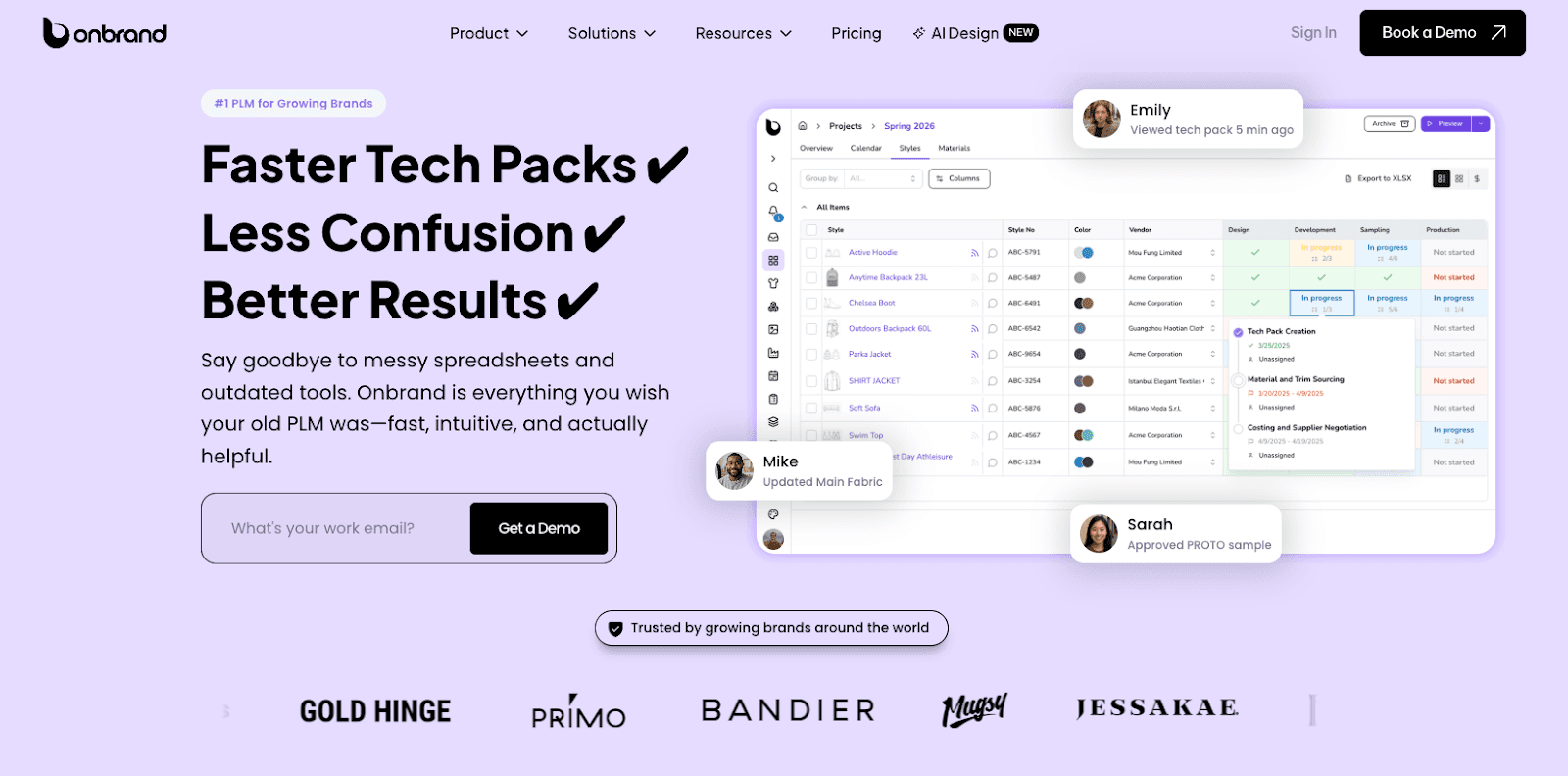
Onbrand PLM gives you one shared workspace to run product development without relying on exported tech pack files or scattered approvals.

If you have used WFX PLM, Onbrand will feel familiar where it counts, but easier to work in day-to-day. Specs, samples, tasks, and vendor feedback stay connected to the same style, so updates don’t get buried across tools.

For growing brands, this reduces back-and-forth and keeps work moving as more styles and people enter the process.

Many brands see momentum quickly after moving to Onbrand, with 55% faster tech pack creation, development timelines reduced by four weeks, and onboarding completed in as little as 10 days.

These gains come from keeping work visible and connected instead of rebuilding the same information across versions.

Key Features

  • Live tech packs - Connected to styles, samples, and timelines so everyone works from the same version.

  • Project tracking - Clear visibility into milestones and progress during product development.

  • Vendor communication - Comments, approvals, and updates stay tied to each style.

  • Real-time updates - Changes appear instantly, reducing version confusion.

  • Flexible structure - Designed to support growing collections without a rigid setup.

  • Design alignment - Early concepts connect directly to production work.

  • Fast onboarding - Get started quickly without long training cycles.

For teams that want earlier alignment before tech packs are finalized, Onbrand also offers AI Design. It helps you explore concepts, review variations, and align on direction before development begins.

Check how Onbrand PLM manages styles, specs, and vendor feedback in one system. Book a demo to see whether it fits your current process.

2. Backbone PLM

Backbone PLM

Source: bamboorose.com/backbone

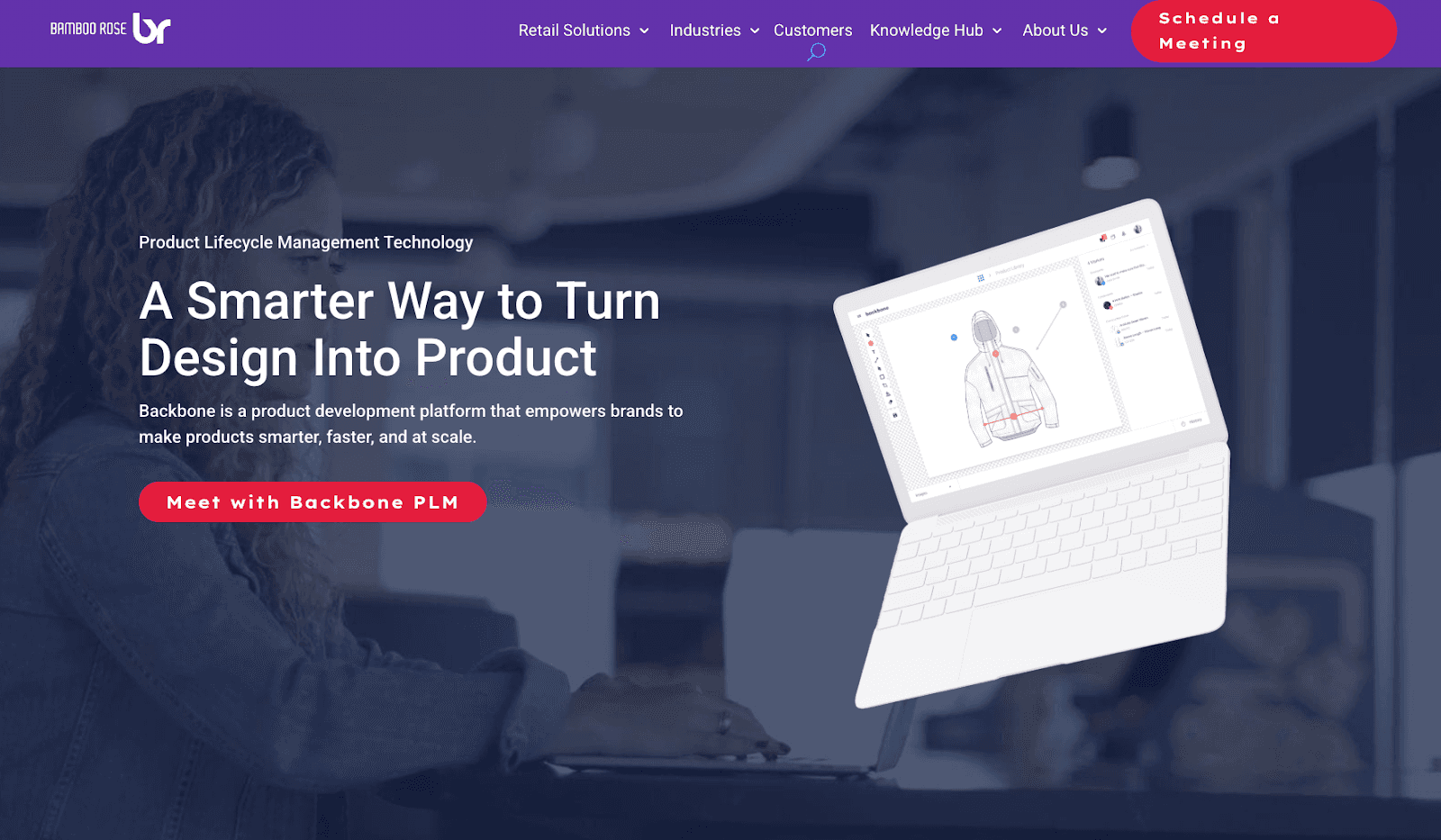
Backbone PLM is a cloud-based platform that helps fashion and consumer goods brands manage product information in one place.

When brands compare WFX PLM alternatives, Backbone is often considered for teams that want more structure without moving into a heavy enterprise system.

Backbone focuses on creating a unified system where product data stays consistent from early design through development, which helps reduce confusion as collections grow.

It is commonly used by brands that want clearer visibility across design, development, and planning, especially when working with multiple partners and internal departments.

Key Features

  • Centralized product information - Keeps style details, materials, and updates in one system.

  • Tech pack management - Supports tech pack creation with version tracking over time.

  • Calendar-based timelines - Helps manage development milestones and delivery dates.

  • Workflow automation - Supports repeatable steps across product development.

  • Project management - Provides visibility into tasks and responsibilities across teams.

3. DeSL PLM
DeSL PLM

Source: desl.net

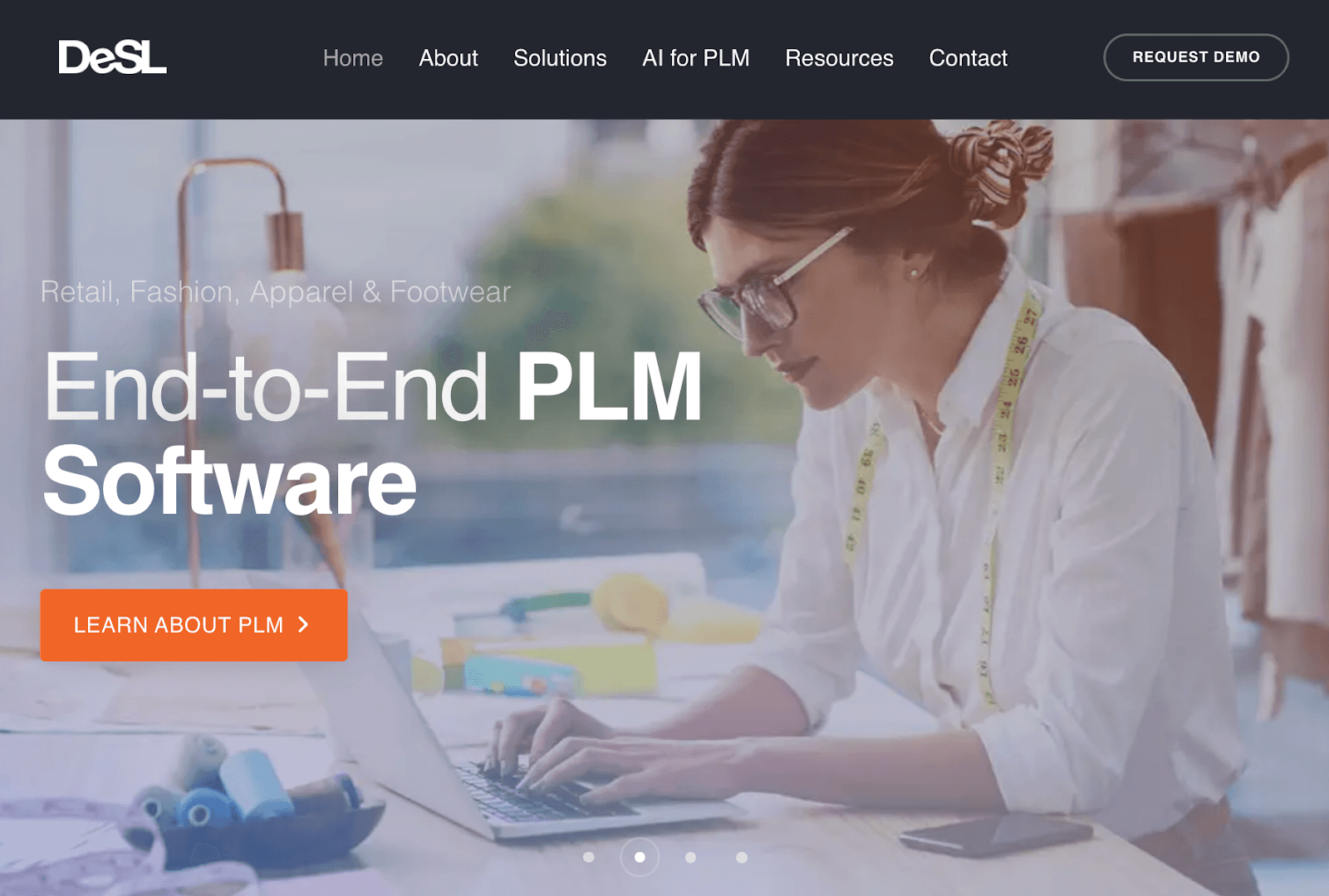
DeSL PLM is an apparel-focused platform used by fashion brands that need more in-depth control over product data, sourcing, and production workflows.

Teams comparing WFX PLM alternatives often consider DeSL when they manage complex collections or require tighter coordination across supply chain management and development.

The platform supports structured product records that connect design details, costing, and sourcing information, which helps brands meet specific needs around production planning and vendor coordination.

DeSL is commonly used by retailers and brands that operate across multiple markets and require consistent data to support compliance and reporting.

Key Features

  • Apparel-specific workflows - Built around fashion product development processes.

  • Sourcing and costing tools - Supports material costs and supplier tracking.

  • Supplier collaboration - Enables communication and updates with vendors.

  • Product data management - Keeps specifications and changes organized.

  • Project management support - Helps track development stages and responsibilities.

4. ReChain PLM
ReChain PLM

Source: rechain.co

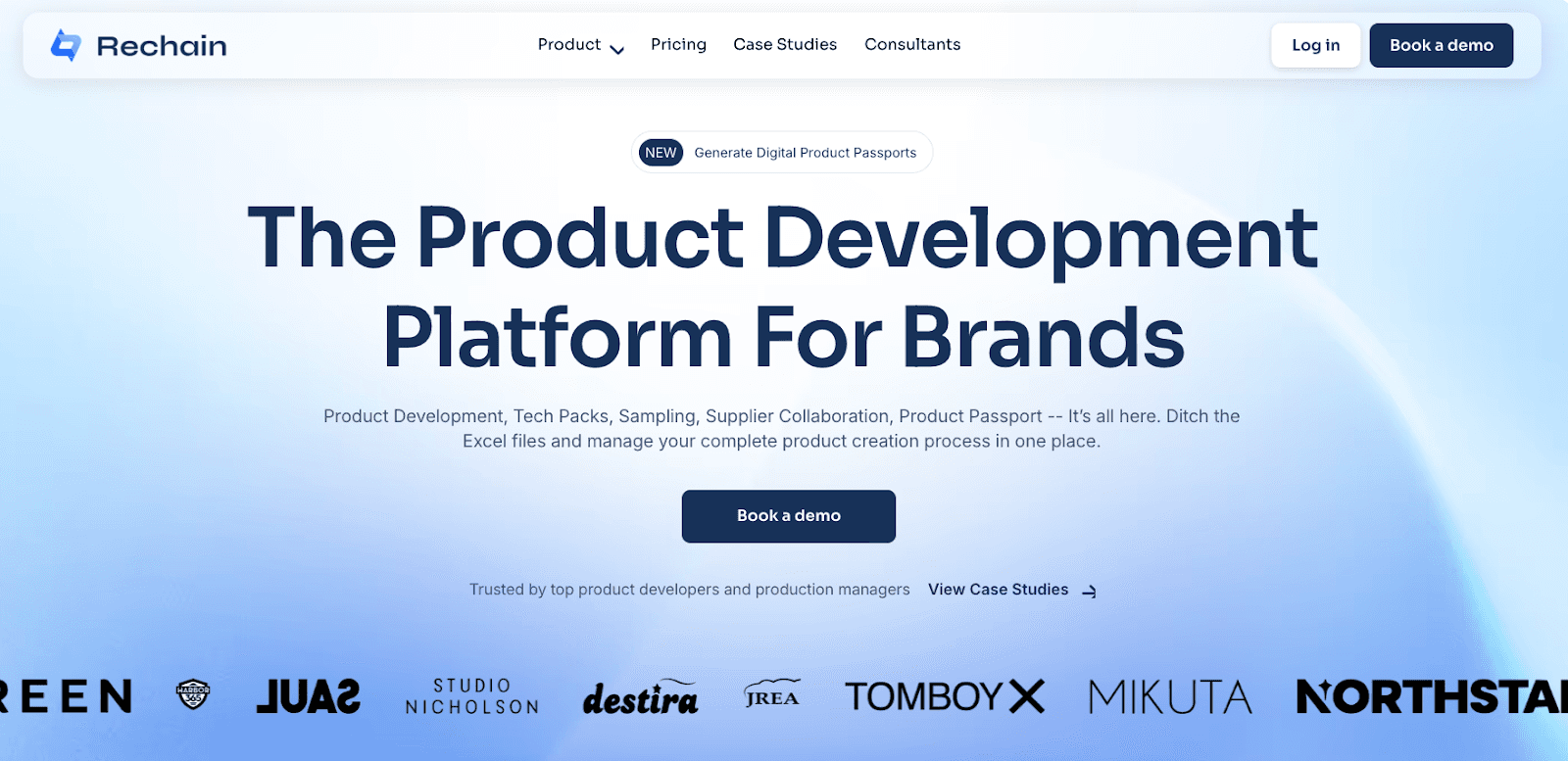
ReChain PLM is a digital-first platform used by fashion brands that want clearer visibility across product development and production.

ReChain is worth exploring for teams that need structured product records that connect design, sourcing, and manufacturing data in one place.

The platform tracks product information throughout the lifecycle, helping brands maintain consistency as styles move through development.

ReChain also supports regulatory-compliance documentation, which matters for brands selling across multiple markets and working with different partners.

Key Features

  • Digital product development - Centralizes style data and specifications.

  • Supply chain visibility - Tracks product progress across suppliers.

  • Lifecycle tracking - Follows each style from concept to production.

  • Partner collaboration - Supports information sharing with vendors.

  • Workflow visibility - Keeps responsibilities and timing clear as styles move forward.

5. Centric PLM
Centric PLM

Source: centricsoftware.com

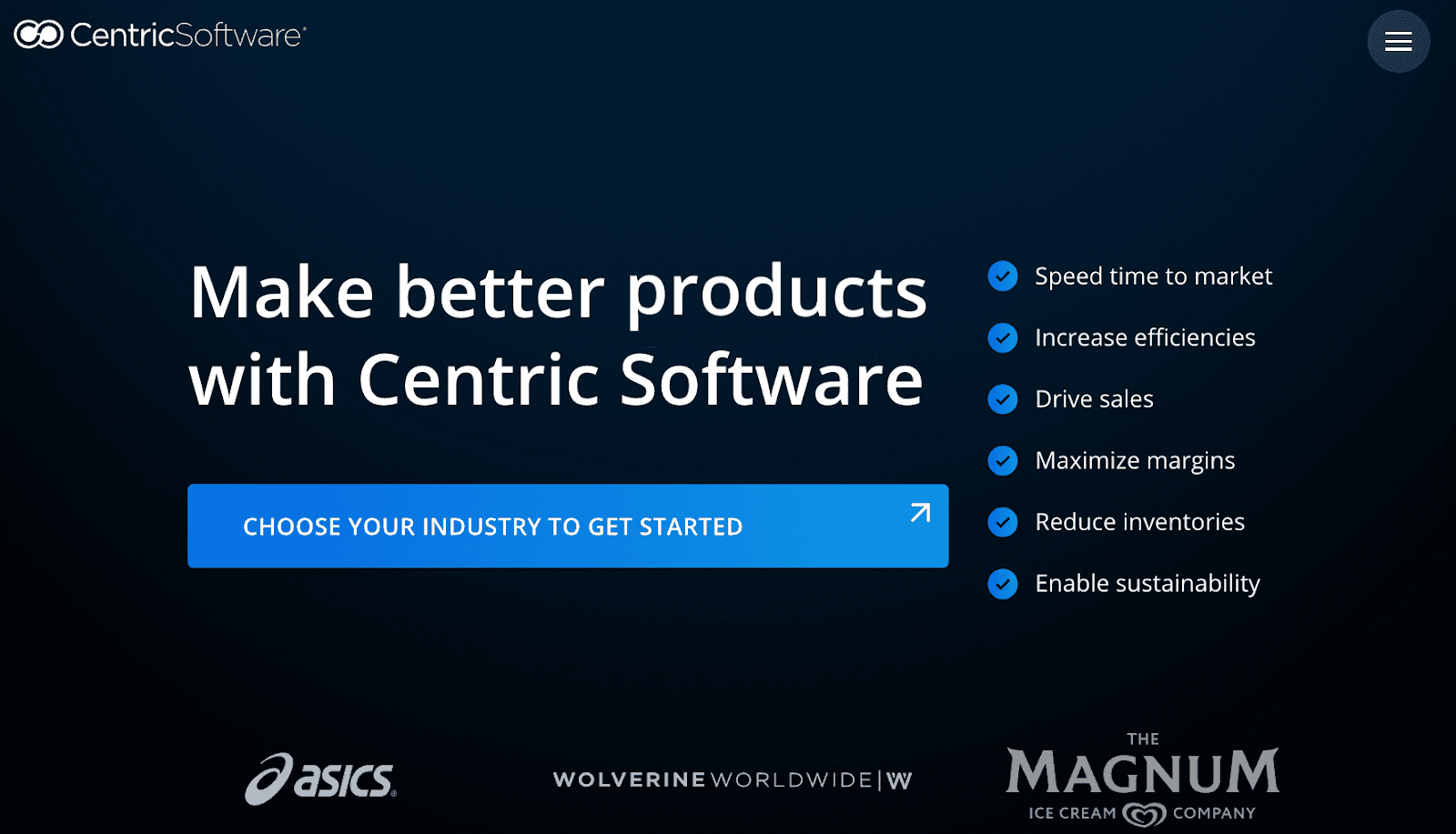
Centric PLM is an enterprise-focused fashion PLM platform used by large brands with complex product lines and global operations.

Brands comparing WFX PLM alternatives often look at Centric when they need a solution that supports high style volumes, multiple categories, and strict internal processes.

The platform is built to manage detailed product records, approvals, and reporting across regions, which can help organizations maintain consistency as products move from design through production.

Centric is typically adopted by companies that require structured workflows and formal oversight across departments such as development, sourcing, sales, and marketing.

Key Features

  • Product lifecycle data management - Maintains structured records from design through production.

  • Material and BOM tracking - Manages fabrics, trims, and cost inputs.

  • Approval workflows - Supports formal review and sign-off processes.

  • Reporting tools - Provides visibility into product status and changes.

  • Global collaboration - Allows coordination across regions and partners.

6. CGS BlueCherry PLM
CGS BlueCherry PLM

Source: bluecherry.com

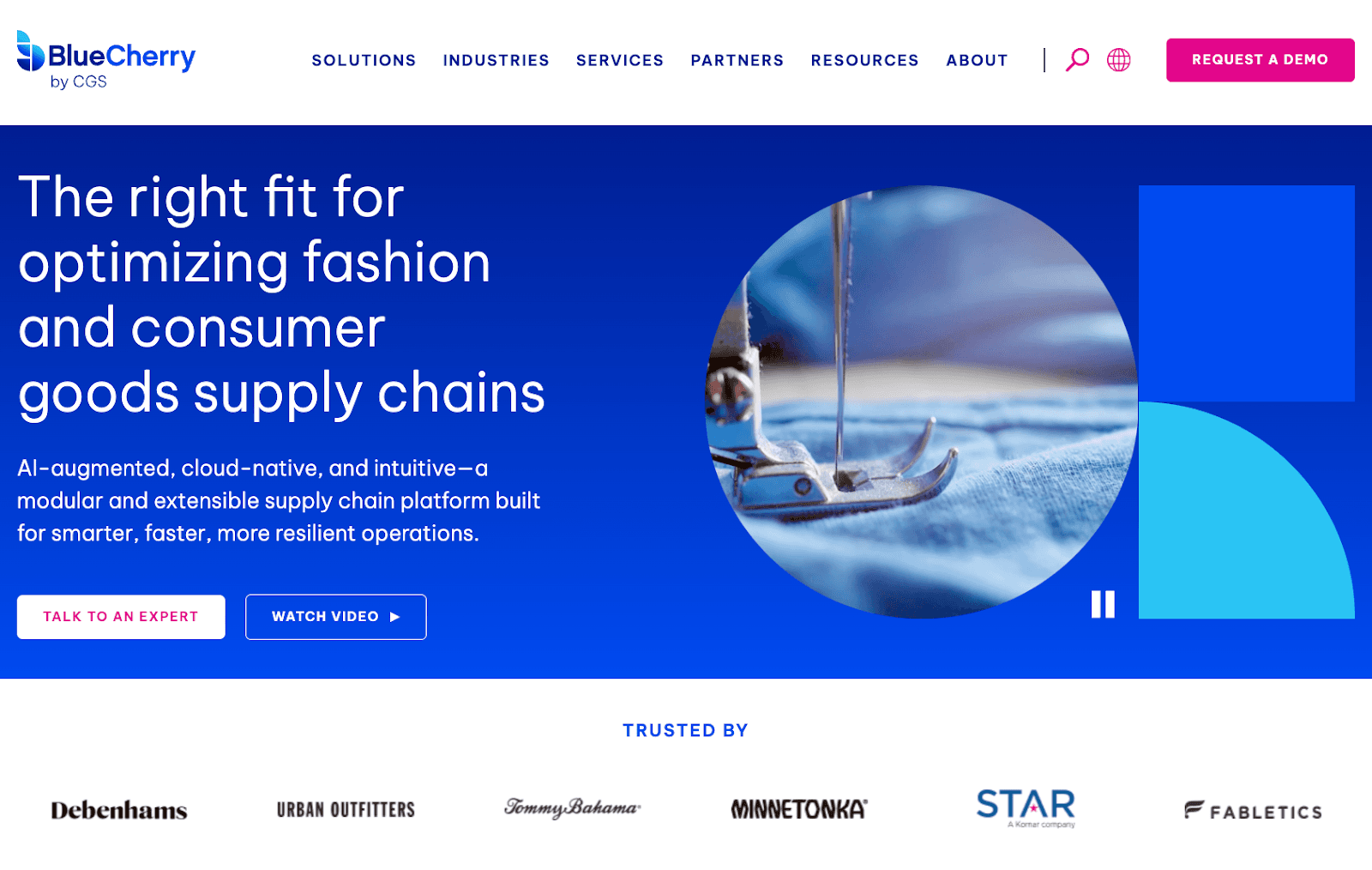
CGS BlueCherry PLM is part of a broader enterprise suite used by apparel and consumer goods brands that want product data connected to downstream systems.

BlueCherry is commonly reviewed when PLM needs to operate within a larger enterprise system.

The platform focuses on maintaining consistent product records as styles move through development and production, which helps reduce mismatches between design intent and manufacturing output.

BlueCherry is typically used by organizations that prioritize system integration and formalized workflows over a lightweight setup.

Key Features

  • Product data and specifications - Manages style details, measurements, and revisions.

  • ERP and supply chain integration - Connects PLM data to production and operations systems.

  • Approval workflows - Supports structured review and sign-off steps.

  • Vendor collaboration - Shares product information with manufacturing partners.

  • Enterprise services - Provides implementation and support as part of a larger platform.

How to Choose the Right WFX PLM Alternative

Choosing the right WFX PLM alternative starts with how your product actually runs today.

First, look at your team size and the number of styles you manage at the same time. A setup that works for a small line can break once collections grow and more people touch each style.

Next, consider how closely design and production need to stay connected.

If tech packs, samples, and approvals move back and forth daily, you need software that lets users see updates without chasing files or second-guessing versions.

Onboarding effort also matters. Some platforms are tailored for fast setup, while others require longer implementation.

Before committing, take time to verify how data migration works and what support looks like after launch.

The right choice should help you optimize day-to-day work and support clear decisions, rather than adding process just to keep the system running.

When WFX PLM No Longer Fits, Onbrand Scales With You
Onbrand PLM

Finding the right WFX PLM alternative comes down to how your brand works today and where it’s headed next.

As collections grow and timelines tighten, the systems you rely on need to support clear communication, fast updates, and fewer handoffs between design, development, and production.

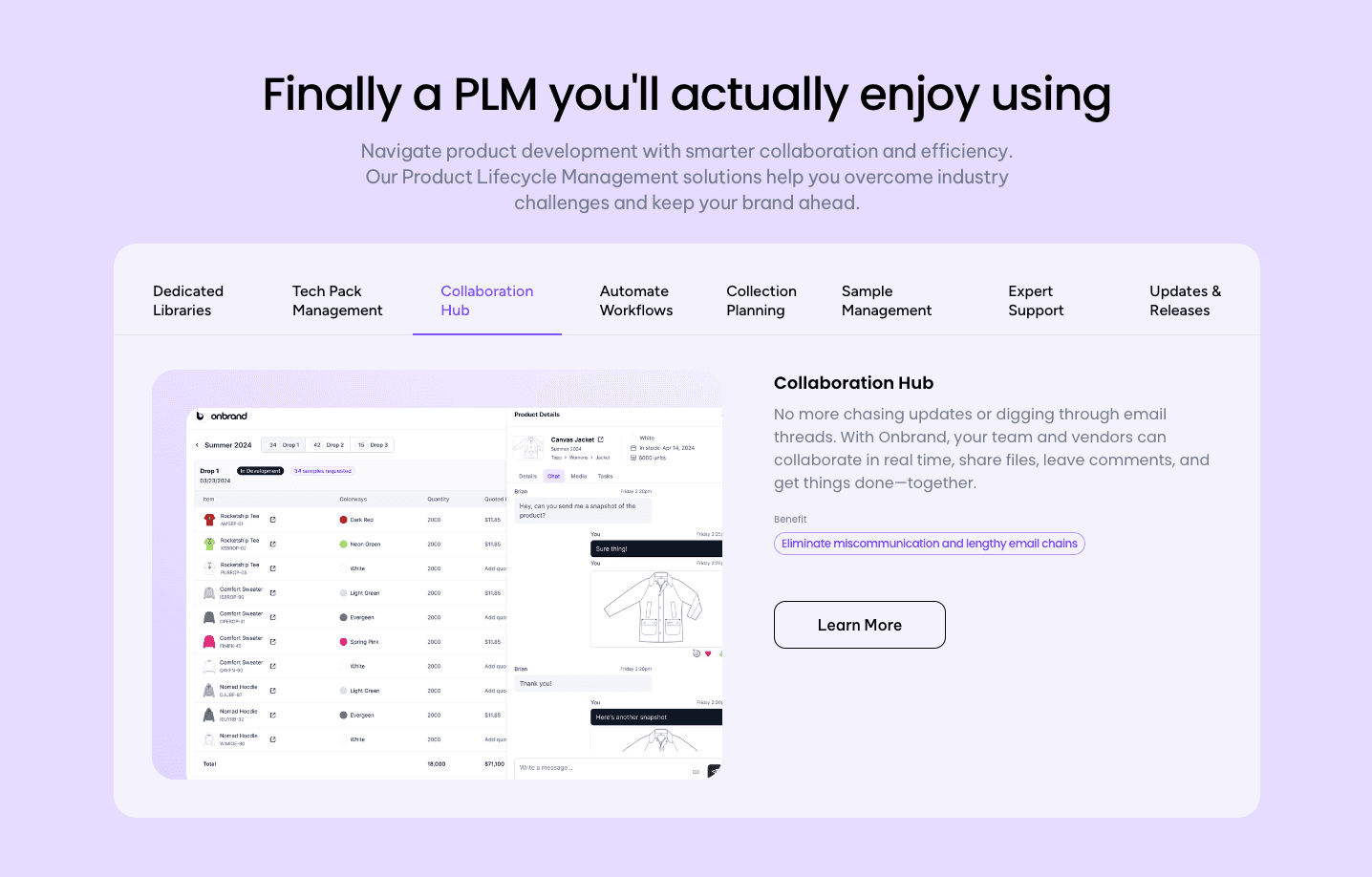
Onbrand PLM is built for fashion brands that want structure without unnecessary complexity. It keeps tech packs, samples, timelines, and vendor feedback connected in one shared space, so work stays visible as more styles and people enter the process.

Instead of forcing teams to adapt to rigid workflows, it supports the way product development actually happens.

For brands that want earlier alignment before tech packs are finalized, Onbrand AI Design extends that workflow upstream. It helps teams review concepts, explore variations, and align on direction before development begins, so fewer decisions get revisited later.

If you want to see how Onbrand fits into your existing workflow, you can book a demo and walk through it with your own product development process.


FAQs About WFX PLM Alternatives

What are the best PLM systems?

The best PLM systems depend on how your fashion brand manages product development today. For teams moving on from WFX PLM, Onbrand PLM is a popular choice due to its clear workflows and fast onboarding. Other commonly reviewed competitors include Backbone PLM, DeSL PLM, ReChain PLM, Centric PLM, and CGS BlueCherry PLM. The right platform helps you discover a setup that supports product work effectively as collections grow.

When should a fashion brand switch from WFX PLM?

A fashion brand should consider switching from WFX PLM when the system no longer fits how product work runs day to day. Common signs include slower updates, unclear approvals, difficulty collaborating with vendors, or workflows that feel harder to adjust as collections grow. At that point, exploring alternatives can help restore clarity and speed.

Is switching PLM systems disruptive for fashion teams?

Switching PLM systems does not have to be disruptive if the platform supports structured data migration and onboarding. Many modern PLM tools are designed to move existing styles, tech packs, and materials into the new system so teams can continue working without rebuilding everything from scratch. 

If you’re using WFX PLM, you already understand the value of having one system for product development. Tech packs, timelines, and vendor communication matter when you handle multiple styles at once.

But as collections grow, the day-to-day work changes. You may need faster updates, clearer approvals, or a setup that fits how your design and production teams actually collaborate.

When the system feels harder to adapt than the workflow itself, teams naturally start looking for product lifecycle management (PLM) alternatives.

This shift isn’t about replacing structure. It’s about finding a platform that supports clearer collaboration, simpler updates, and better visibility across the entire product process.

Below, we walk through how fashion teams use WFX PLM today and highlight the best WFX PLM alternatives worth considering in 2026.

TL;DR

These are the best WFX PLM alternatives for fashion teams in 2026:

  1. Onbrand PLM

  2. Backbone PLM

  3. DeSL PLM

  4. ReChain PLM

  5. Centric PLM

  6. CGS BlueCherry PLM

What Is WFX PLM Used For Across Various Industries?

Fashion brands use WFX PLM to organize and control day-to-day fashion product development work as styles move from concept to production.

It gives you one place to manage tech packs, materials, timelines, and vendor feedback instead of spreading updates across emails and folders.

Most brands rely on WFX PLM to keep specifications accurate during sampling and manufacturing.

Designers and developers use it to update measurements, fabrics, and construction notes, allowing users across production to track approvals and changes tied to each style.

Because it operates as a cloud-based platform, WFX PLM supports real-time access for designers, developers, and vendors working in different locations.

For many medium-sized companies and small businesses, it functions as a shared system that keeps information consistent from early design through bulk production and supports alignment as collections grow.

Why Fashion Teams Look for WFX PLM Alternatives

Many fashion brands start with WFX PLM because it’s a common option for organizing tech packs and production data.

Over time, the way you work often changes — collections grow, more vendors get involved, and updates move faster across product teams and departments.

One common reason brands explore alternatives is the need for better integration capabilities with other business applications, like design tools or sourcing systems.

Some teams also look for stronger real-time collaboration tools that make it easier for distributed teams and manufacturers to stay aligned during sampling and approvals.

Other factors include onboarding time, pricing, and how well the platform supports different file formats used in tech packs.

As workflows span the entire lifecycle from design through production, brands often want a more flexible central hub that fits their specific requirements without adding complexity meant for large enterprises.

These shifts lead many organizations to explore WFX PLM alternatives that better match how they work today.

Onbrand offers a more adaptable PLM setup for teams that have outgrown rigid systems like WFX. Request a demo to evaluate whether it fits your current process.

6 Best WFX PLM Alternatives in 2026

Once you understand why brands look beyond WFX PLM, the next step is reviewing which platforms support modern fashion workflows. Not every PLM fits the same type of brand, team size, or production pace.

Below are the six best WFX PLM alternatives used by fashion brands in 2026.

1. Onbrand PLM

Onbrand PLM

Onbrand PLM gives you one shared workspace to run product development without relying on exported tech pack files or scattered approvals.

If you have used WFX PLM, Onbrand will feel familiar where it counts, but easier to work in day-to-day. Specs, samples, tasks, and vendor feedback stay connected to the same style, so updates don’t get buried across tools.

For growing brands, this reduces back-and-forth and keeps work moving as more styles and people enter the process.

Many brands see momentum quickly after moving to Onbrand, with 55% faster tech pack creation, development timelines reduced by four weeks, and onboarding completed in as little as 10 days.

These gains come from keeping work visible and connected instead of rebuilding the same information across versions.

Key Features

  • Live tech packs - Connected to styles, samples, and timelines so everyone works from the same version.

  • Project tracking - Clear visibility into milestones and progress during product development.

  • Vendor communication - Comments, approvals, and updates stay tied to each style.

  • Real-time updates - Changes appear instantly, reducing version confusion.

  • Flexible structure - Designed to support growing collections without a rigid setup.

  • Design alignment - Early concepts connect directly to production work.

  • Fast onboarding - Get started quickly without long training cycles.

For teams that want earlier alignment before tech packs are finalized, Onbrand also offers AI Design. It helps you explore concepts, review variations, and align on direction before development begins.

Check how Onbrand PLM manages styles, specs, and vendor feedback in one system. Book a demo to see whether it fits your current process.

2. Backbone PLM

Backbone PLM

Source: bamboorose.com/backbone

Backbone PLM is a cloud-based platform that helps fashion and consumer goods brands manage product information in one place.

When brands compare WFX PLM alternatives, Backbone is often considered for teams that want more structure without moving into a heavy enterprise system.

Backbone focuses on creating a unified system where product data stays consistent from early design through development, which helps reduce confusion as collections grow.

It is commonly used by brands that want clearer visibility across design, development, and planning, especially when working with multiple partners and internal departments.

Key Features

  • Centralized product information - Keeps style details, materials, and updates in one system.

  • Tech pack management - Supports tech pack creation with version tracking over time.

  • Calendar-based timelines - Helps manage development milestones and delivery dates.

  • Workflow automation - Supports repeatable steps across product development.

  • Project management - Provides visibility into tasks and responsibilities across teams.

3. DeSL PLM

DeSL PLM

Source: desl.net

DeSL PLM is an apparel-focused platform used by fashion brands that need more in-depth control over product data, sourcing, and production workflows.

Teams comparing WFX PLM alternatives often consider DeSL when they manage complex collections or require tighter coordination across supply chain management and development.

The platform supports structured product records that connect design details, costing, and sourcing information, which helps brands meet specific needs around production planning and vendor coordination.

DeSL is commonly used by retailers and brands that operate across multiple markets and require consistent data to support compliance and reporting.

Key Features

  • Apparel-specific workflows - Built around fashion product development processes.

  • Sourcing and costing tools - Supports material costs and supplier tracking.

  • Supplier collaboration - Enables communication and updates with vendors.

  • Product data management - Keeps specifications and changes organized.

  • Project management support - Helps track development stages and responsibilities.

4. ReChain PLM

ReChain PLM

Source: rechain.co

ReChain PLM is a digital-first platform used by fashion brands that want clearer visibility across product development and production.

ReChain is worth exploring for teams that need structured product records that connect design, sourcing, and manufacturing data in one place.

The platform tracks product information throughout the lifecycle, helping brands maintain consistency as styles move through development.

ReChain also supports regulatory-compliance documentation, which matters for brands selling across multiple markets and working with different partners.

Key Features

  • Digital product development - Centralizes style data and specifications.

  • Supply chain visibility - Tracks product progress across suppliers.

  • Lifecycle tracking - Follows each style from concept to production.

  • Partner collaboration - Supports information sharing with vendors.

  • Workflow visibility - Keeps responsibilities and timing clear as styles move forward.

5. Centric PLM

Centric PLM

Source: centricsoftware.com

Centric PLM is an enterprise-focused fashion PLM platform used by large brands with complex product lines and global operations.

Brands comparing WFX PLM alternatives often look at Centric when they need a solution that supports high style volumes, multiple categories, and strict internal processes.

The platform is built to manage detailed product records, approvals, and reporting across regions, which can help organizations maintain consistency as products move from design through production.

Centric is typically adopted by companies that require structured workflows and formal oversight across departments such as development, sourcing, sales, and marketing.

Key Features

  • Product lifecycle data management - Maintains structured records from design through production.

  • Material and BOM tracking - Manages fabrics, trims, and cost inputs.

  • Approval workflows - Supports formal review and sign-off processes.

  • Reporting tools - Provides visibility into product status and changes.

  • Global collaboration - Allows coordination across regions and partners.

6. CGS BlueCherry PLM

CGS BlueCherry PLM

Source: bluecherry.com

CGS BlueCherry PLM is part of a broader enterprise suite used by apparel and consumer goods brands that want product data connected to downstream systems.

BlueCherry is commonly reviewed when PLM needs to operate within a larger enterprise system.

The platform focuses on maintaining consistent product records as styles move through development and production, which helps reduce mismatches between design intent and manufacturing output.

BlueCherry is typically used by organizations that prioritize system integration and formalized workflows over a lightweight setup.

Key Features

  • Product data and specifications - Manages style details, measurements, and revisions.

  • ERP and supply chain integration - Connects PLM data to production and operations systems.

  • Approval workflows - Supports structured review and sign-off steps.

  • Vendor collaboration - Shares product information with manufacturing partners.

  • Enterprise services - Provides implementation and support as part of a larger platform.

How to Choose the Right WFX PLM Alternative

Choosing the right WFX PLM alternative starts with how your product actually runs today.

First, look at your team size and the number of styles you manage at the same time. A setup that works for a small line can break once collections grow and more people touch each style.

Next, consider how closely design and production need to stay connected.

If tech packs, samples, and approvals move back and forth daily, you need software that lets users see updates without chasing files or second-guessing versions.

Onboarding effort also matters. Some platforms are tailored for fast setup, while others require longer implementation.

Before committing, take time to verify how data migration works and what support looks like after launch.

The right choice should help you optimize day-to-day work and support clear decisions, rather than adding process just to keep the system running.

When WFX PLM No Longer Fits, Onbrand Scales With You

Onbrand PLM

Finding the right WFX PLM alternative comes down to how your brand works today and where it’s headed next.

As collections grow and timelines tighten, the systems you rely on need to support clear communication, fast updates, and fewer handoffs between design, development, and production.

Onbrand PLM is built for fashion brands that want structure without unnecessary complexity. It keeps tech packs, samples, timelines, and vendor feedback connected in one shared space, so work stays visible as more styles and people enter the process.

Instead of forcing teams to adapt to rigid workflows, it supports the way product development actually happens.

For brands that want earlier alignment before tech packs are finalized, Onbrand AI Design extends that workflow upstream. It helps teams review concepts, explore variations, and align on direction before development begins, so fewer decisions get revisited later.

If you want to see how Onbrand fits into your existing workflow, you can book a demo and walk through it with your own product development process.


FAQs About WFX PLM Alternatives

What are the best PLM systems?

The best PLM systems depend on how your fashion brand manages product development today. For teams moving on from WFX PLM, Onbrand PLM is a popular choice due to its clear workflows and fast onboarding. Other commonly reviewed competitors include Backbone PLM, DeSL PLM, ReChain PLM, Centric PLM, and CGS BlueCherry PLM. The right platform helps you discover a setup that supports product work effectively as collections grow.

When should a fashion brand switch from WFX PLM?

A fashion brand should consider switching from WFX PLM when the system no longer fits how product work runs day to day. Common signs include slower updates, unclear approvals, difficulty collaborating with vendors, or workflows that feel harder to adjust as collections grow. At that point, exploring alternatives can help restore clarity and speed.

Is switching PLM systems disruptive for fashion teams?

Switching PLM systems does not have to be disruptive if the platform supports structured data migration and onboarding. Many modern PLM tools are designed to move existing styles, tech packs, and materials into the new system so teams can continue working without rebuilding everything from scratch. 

Discover how Onbrand PLM can streamline your product development!

© 2024 onbrandplm.com. All rights reserved.