Jun 10, 2026
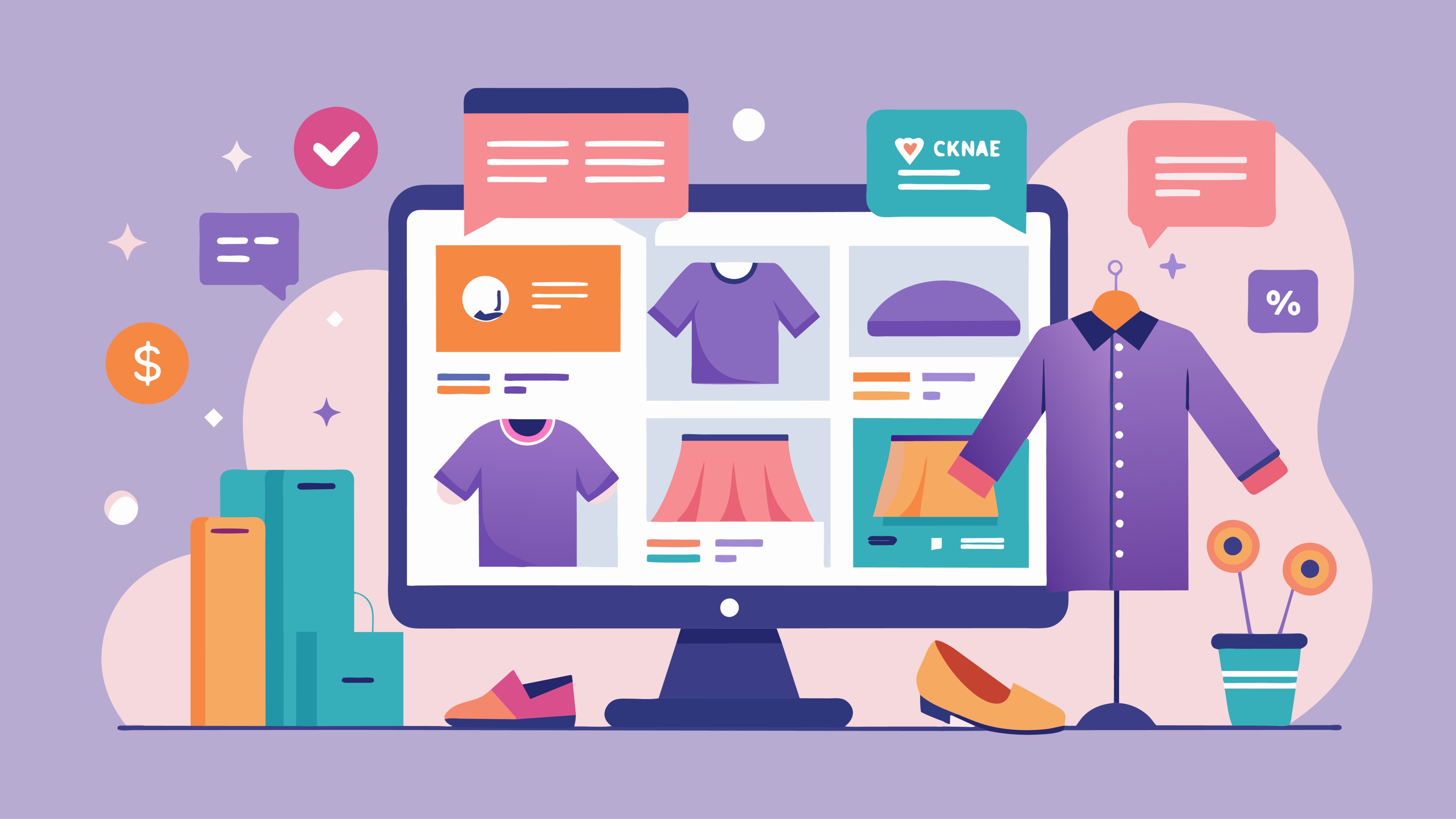
Fashion teams handle countless moving parts throughout every collection. Between sample reviews, supplier updates, and tight launch schedules, projects can easily fall behind.
Many brands still rely on spreadsheets or disconnected tools that slow communication and create errors.
Fashion management software helps teams stay organized. It connects every stage of product development, allowing teams to plan timelines, track progress, and work together in real time.
For growing fashion businesses, these tools offer visibility, operational clarity, and structure without disrupting creativity.
This guide highlights five trusted platforms helping fashion industry leaders simplify coordination and maintain clear communication between departments.
TL;DR
These are the top fashion management software tools for fashion teams in 2026:
Centric PLM
Backbone PLM
World Fashion Exchange (WFX)
Yunique PLM
Why Fashion and Apparel Industry Teams Should Use Fashion Management Software
Fashion teams face unique challenges and complex processes that standard management software can’t always address. Each department handles its own data, timelines, and approvals. Without a shared system, communication gaps start to slow things down.
To stay ahead and meet evolving consumer expectations, fashion businesses need platforms that support:
Visual timelines for collections to track progress and approvals within shared workflows.
Centralized product data for fabrics, trims, and bill of materials (BOM) in one reliable source.
Cross-department collaboration that improves decision-making and provides real-time visibility.
Task tracking and approval workflows that align with sample management and production planning.
Vendor communication tools that maintain seamless communication with partners and suppliers.
Top 5 Fashion Management Software Solutions in 2026
Here are five platforms helping fashion and apparel teams manage collections and production with structure and clarity.
1. Onbrand PLM
If you’ve ever searched through endless spreadsheets or struggled to find the latest version of a tech pack, you’ll understand why so many fashion teams switch to Onbrand PLM.
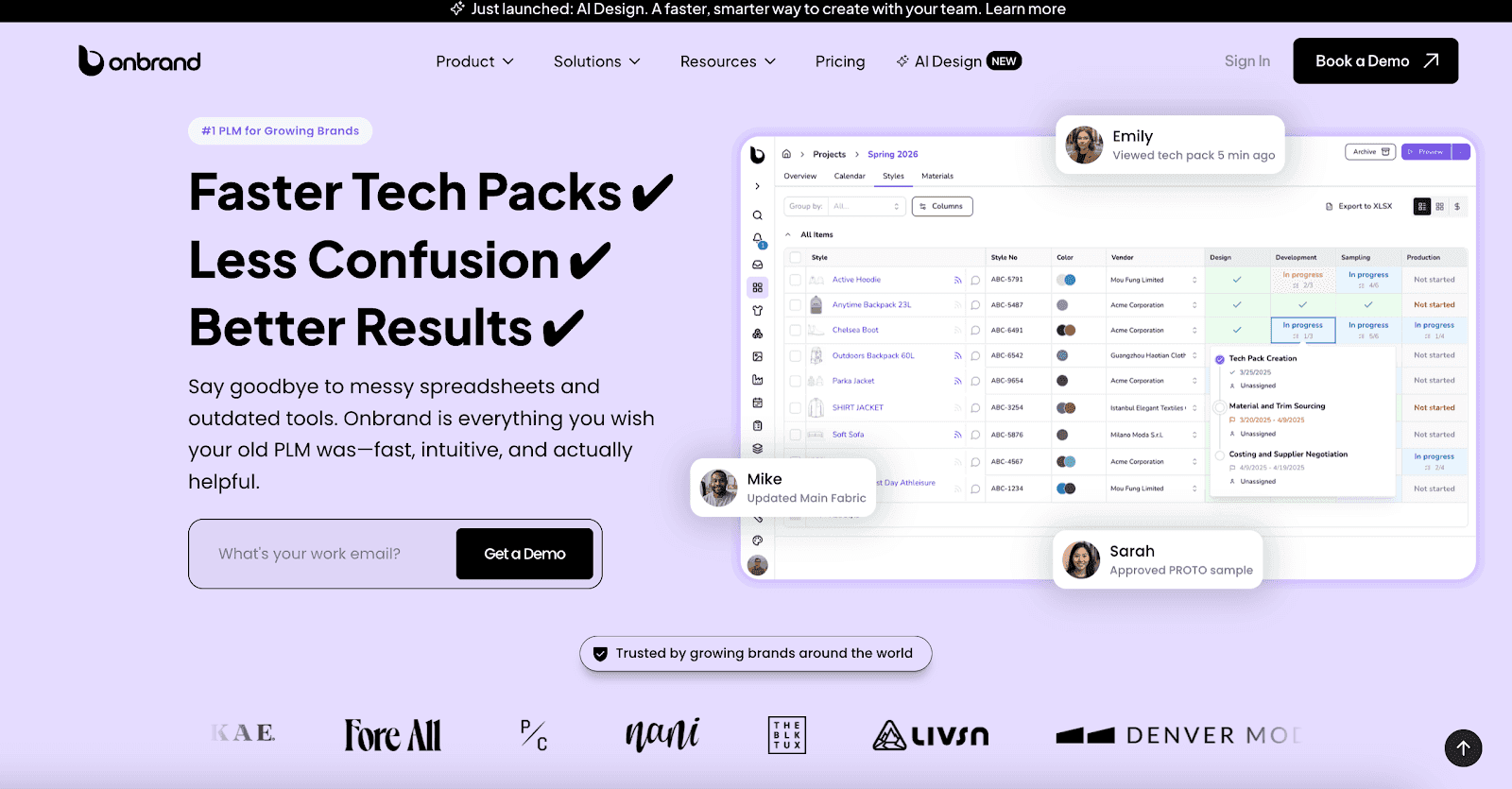
It’s a modern fashion management platform that keeps design, sourcing, and production connected in one clear space.
With Onbrand PLM, your team can track every project from concept to launch. Designers, developers, and suppliers all stay aligned through real-time updates, so nothing gets lost in email threads or scattered files.
Key Features
Live tech packs update automatically as changes are made, removing version confusion.
Project timelines make it easy to see progress at every stage of development.
Dedicated libraries organize fabrics, colors, and product details in one single source.
Vendor collaboration keeps conversations in one place instead of switching between messages and attachments.
AI-powered data migration helps you get up and running within weeks.
Collection-planning tools allow your team to plan assortments, set milestones, and manage seasonal launches efficiently.
Automated workflows keep approvals moving and reduce time spent on manual updates.
Fashion brands using Onbrand have reported 55% faster tech pack creation and four weeks shorter development cycles. The interface is visual and intuitive, designed for creative teams who want clarity without complexity.
Unlike legacy product lifecycle management (PLM) platforms, Onbrand PLM is a true SaaS. You don’t have to wait years for updates or pay extra for support. Every customer has a dedicated account rep who helps the team stay on track from day one.
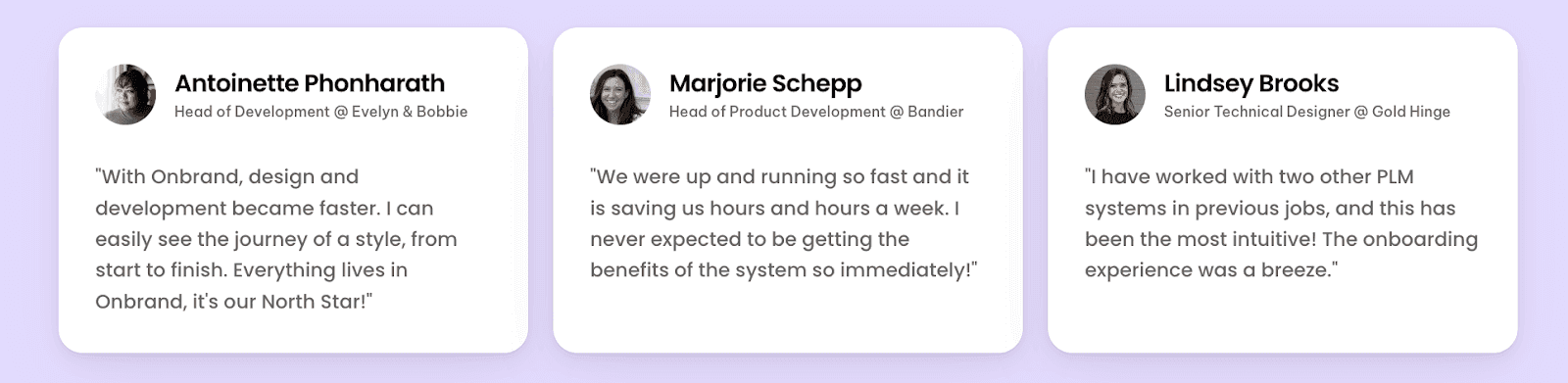
Brands like Bandier, Gold Hinge, and Evelyn & Bobbie use Onbrand PLM to manage collections, communicate with vendors, and build smoother workflows. This tool helps your team move faster, stay organized, and finally leave spreadsheet chaos behind.
Teams exploring early creative concepts can also use Onbrand AI Design for visual development and collaborative design workflows.
2. Centric PLM
Centric PLM is one of the most established solutions in the fashion industry, trusted by global retail and apparel business leaders.
It’s part of the major platforms that help your teams manage product lifecycles from design to delivery through a structured and modern fashion PLM system.
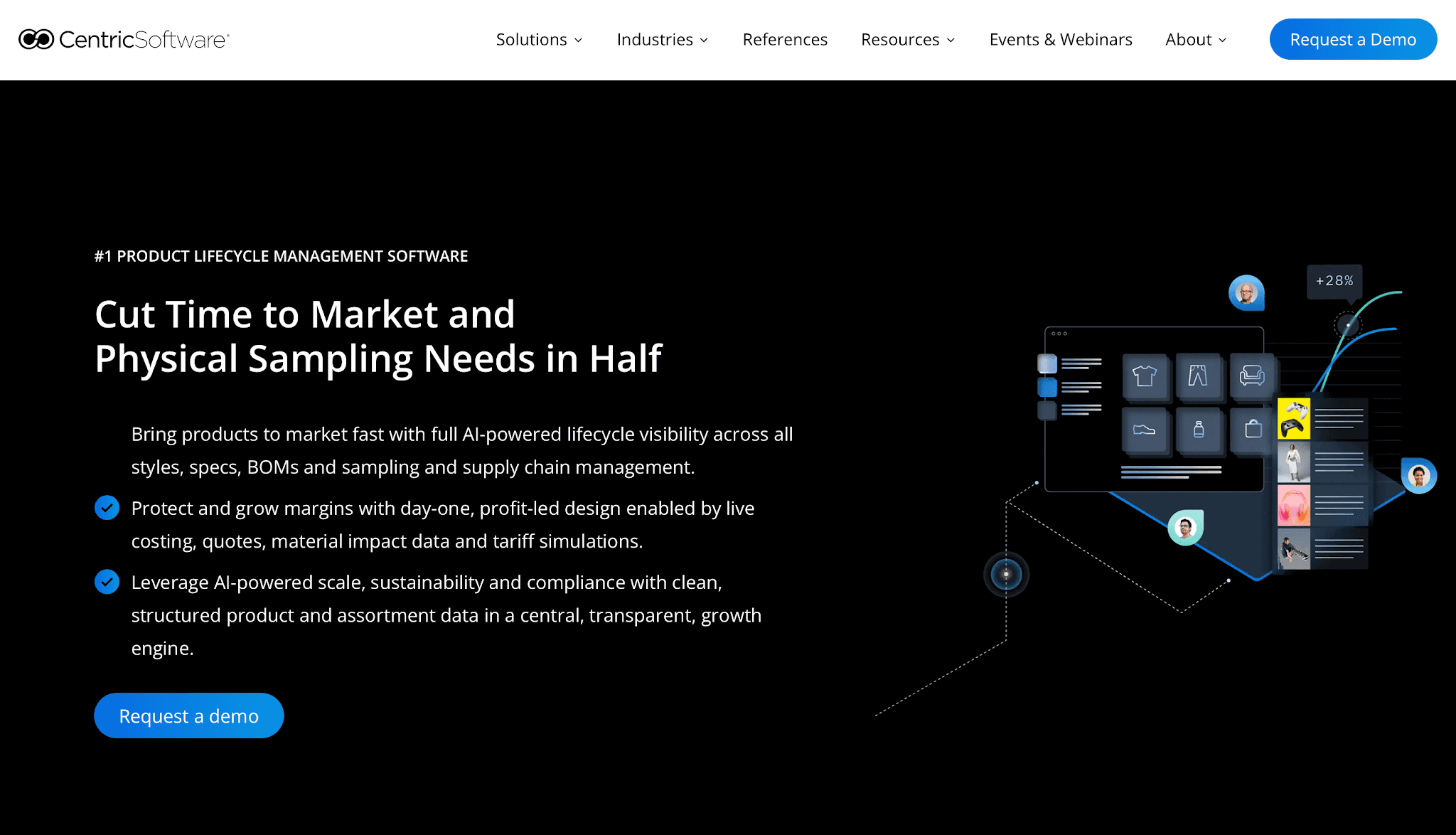
Source: centricsoftware.com
The platform connects design, sourcing, and production in one space to support planning, approvals, and inventory management.
You can use it to coordinate seasonal planning, track materials, and manage costing for collections at scale. Its built-in workflows and calendars help departments stay aligned throughout multiple regions and product lines.
Centric provides visibility into supplier activity, manufacturing timelines, and financial costs, giving brands real-time insights that help guide planning and operational decisions.
Detailed dashboards help teams gain insights into performance, spot inefficiencies earlier, reduce waste, and better understand shifts in consumer preferences.
For smaller brands or those new to enterprise systems, Centric’s setup can feel extensive. PLM implementation often takes time and may require outside support, which can slow onboarding and limit early flexibility.
3. Backbone PLM
Backbone PLM is designed for creative teams that want structure without losing flexibility.
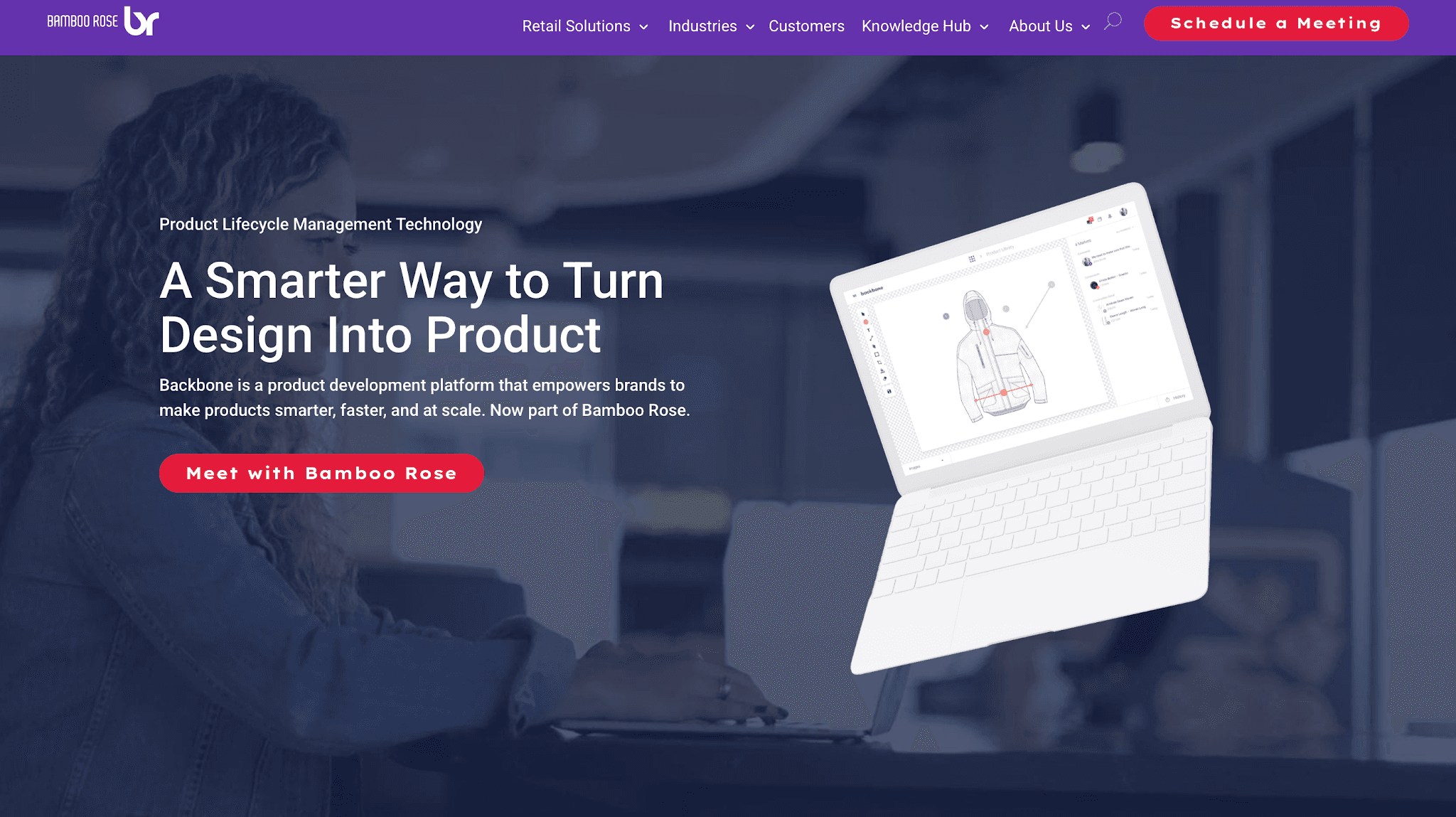
If your design and development process often feels disconnected between folders and files, this apparel management software helps bring everything together in one visual workspace.
Source: backboneplm.com
Your team can track product details, manage design feedback, and see updates in real-time data. The layout feels intuitive, which makes it easier for designers and developers to stay aligned as collections move from concept to production.
It’s especially helpful for apparel brands that value a visual, collaborative approach to managing their product timelines.
Backbone also includes tools designed for organizing materials, specifications, and product libraries. This helps reduce repetitive data entry and gives your team quick access to past designs when planning new collections.
It also supports data management for assets and materials, allowing your team to reuse what works and save time on everyday processes.
Some users mention that Backbone focuses more on design collaboration than on production oversight. It fits creative workflows well, but fashion companies handling sourcing, manufacturing, or broader supply chain management processes might need additional tools to manage those steps.
4. World Fashion Exchange
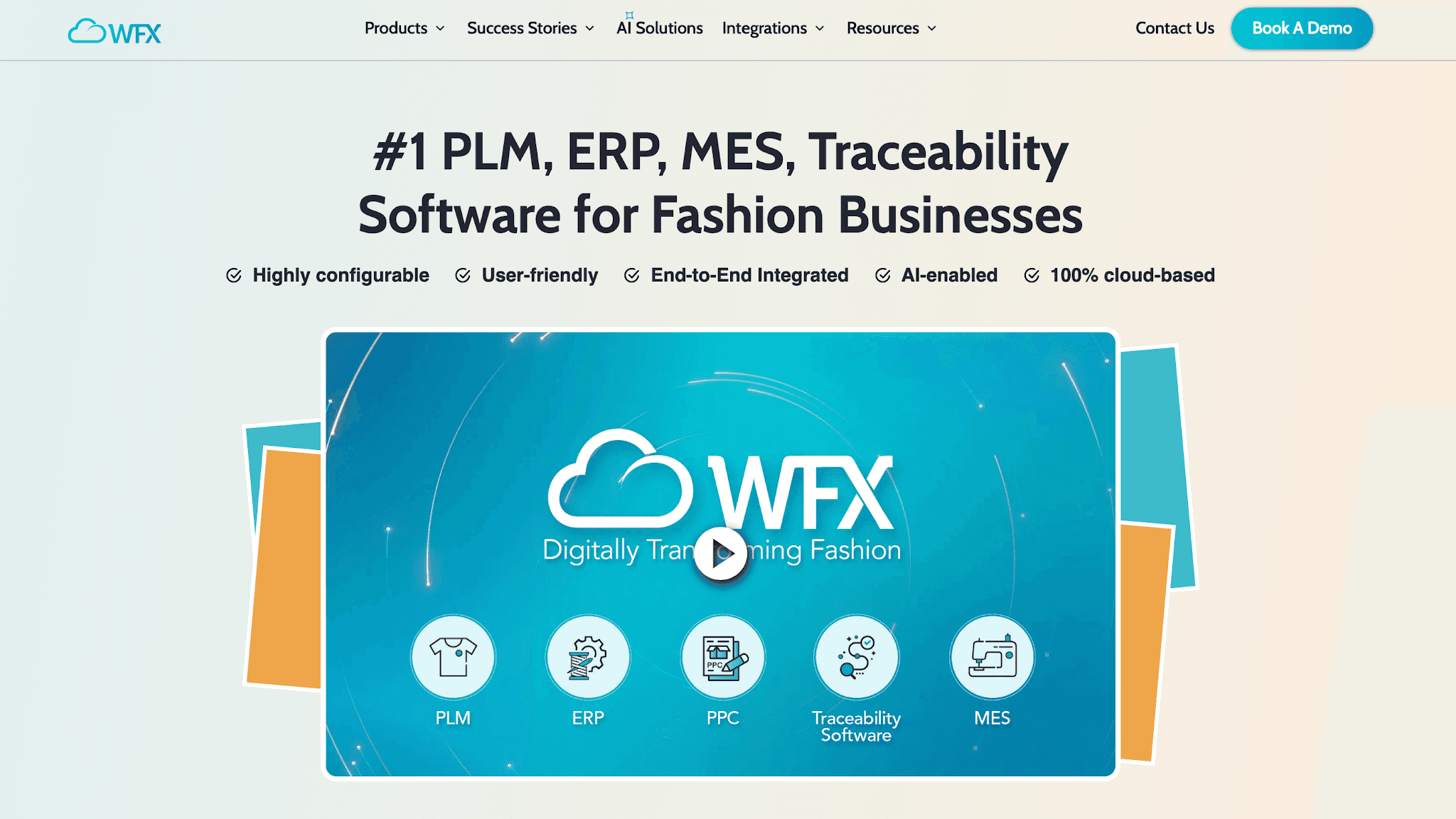
World Fashion Exchange (WFX) is a cloud-based apparel enterprise resource planning (ERP) system that combines fashion ERP and apparel software features to help fashion teams stay organized.
Source: worldfashionexchange.com
It supports sales and order management, production tracking, and vendor coordination, helping teams respond faster to changing consumer demand.
The platform includes industry-specific features such as demand forecasting, costing, reporting tools, and real-time analytics that help you analyze data and make better decisions. Many brands use it to streamline operations, manage sales orders, and reduce manual work through automation.
WFX offers seamless integration with e-commerce systems, accounting tools, and wholesale channels to help teams keep sales and production aligned.
The interface is highly customizable, allowing teams to adapt the ERP tool to fit their existing workflows and processes. For many growing companies, these capabilities support future growth and stronger profitability.
Some users mention that WFX feels dated visually and can take time to configure. Still, many brands value WFX for its large feature set and the way it helps reduce manual work tied to repetitive tasks.
5. Yunique PLM
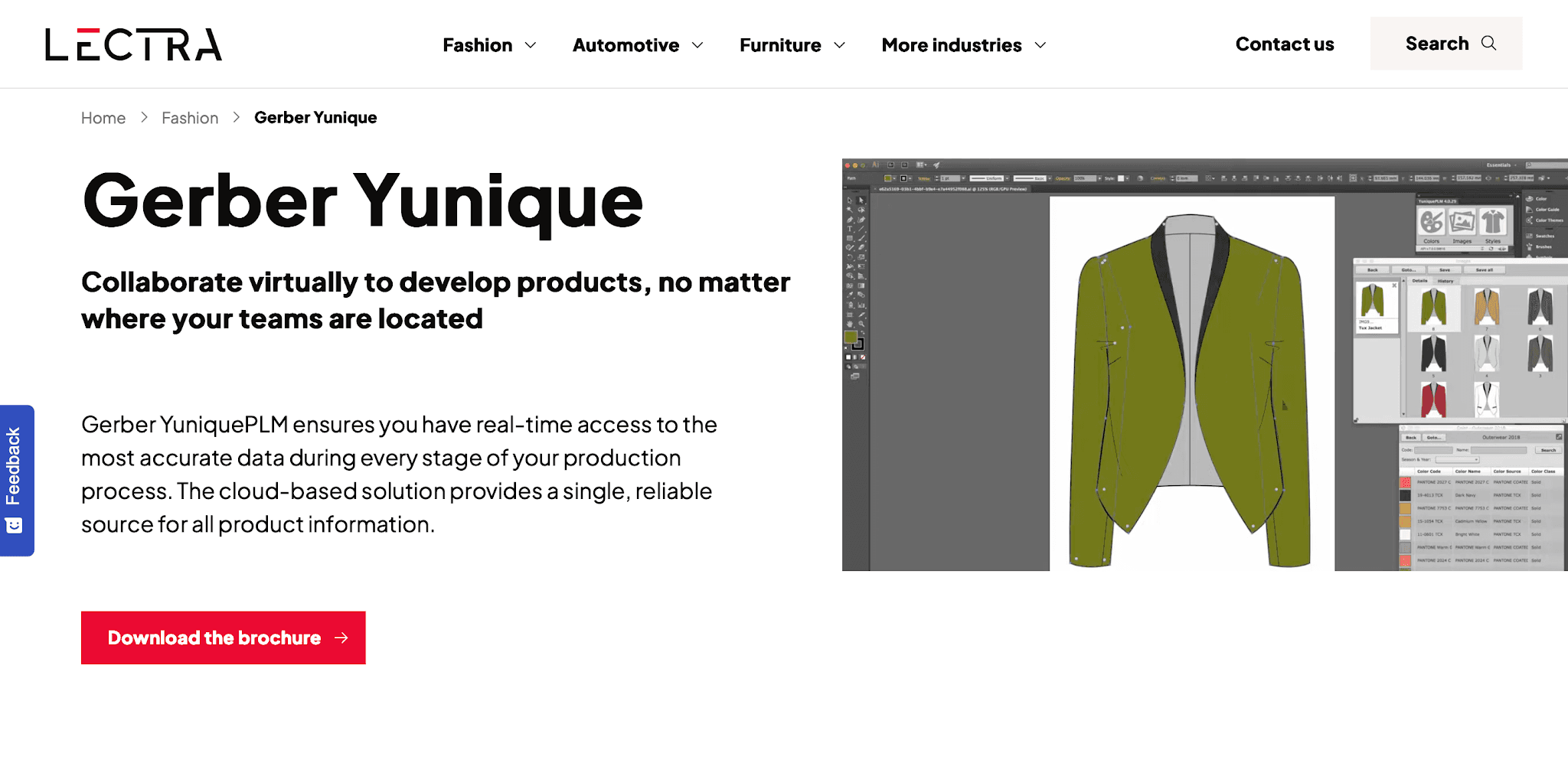
Yunique PLM, developed by Gerber (now Lectra), is known for its precision and structure. It’s built for fashion and apparel teams that need detailed control over product data, patterns, and specifications.
Source: lectra.com
The platform helps organize every stage of technical development, combining structured data management with clear visibility between design and production. Its layout supports design teams working with global suppliers and large product assortments.
Detailed specification sheets and built-in size matrices help teams keep sizing and fit more consistent between styles and regions. That structure is especially useful for brands handling large product catalogs and working with several production partners.
Yunique PLM is particularly valued by technical design and manufacturing teams that prioritize consistency.
It helps brands keep product details and business data aligned while helping teams improve efficiency during large seasonal collection development.
The system’s interface feels more traditional compared to newer platforms, but its dependability keeps it relevant. Many established brands use Yunique to maintain success throughout product lines and deliver consistent quality to their best customers year after year.
Manage Fashion Projects Better With Onbrand PLM
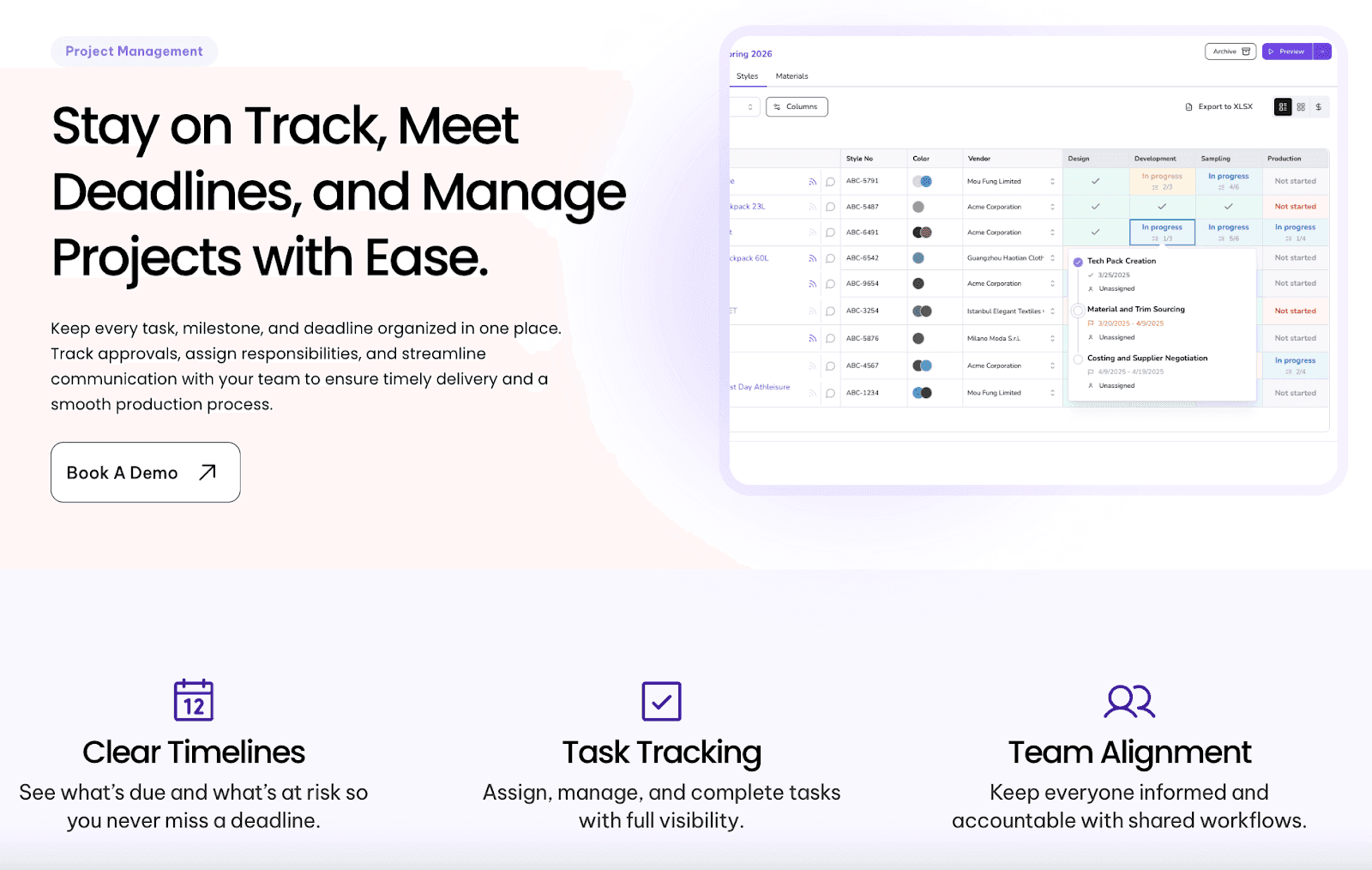
Managing projects in fashion is never simple. Each collection brings new timelines, product details, and supplier updates that need to move in sync.
The right fashion management software gives your team the structure, visibility, and total control needed to support smoother production and stronger customer satisfaction.
Every platform on this list supports fashion teams in different ways, but only one combines clarity, speed, and collaboration in a way that feels modern.
Onbrand PLM stands out as the platform built for growing brands that want to simplify development and cut through the noise of outdated systems.
For teams exploring digital fashion design, Onbrand AI Design adds another layer of creativity. It helps designers turn ideas into visuals faster, supporting concept generation, design collaboration, and a more connected customer experience.
If your team is ready for a better way to manage collections, coordinate with vendors, and bring designs to market faster, explore what Onbrand PLM can do for you.
FAQs About Fashion Management Software
What software do fashion designers use?
Most fashion designers use different tools depending on the stage of development. PLM systems like Onbrand, Centric PLM, and Backbone PLM help manage product details, samples, and vendor communication, while creative tools like Adobe Illustrator, CLO 3D, Browzwear, and Onbrand AI Design support digital fashion design and concept development.
What is a CRM in fashion?
In fashion, CRM software helps brands stay connected with customers by organizing purchase history, customer details, and communication in one system. It also helps teams personalize marketing, improve customer retention, and spot shopping trends more easily.
Does Zara use ERP?
Yes. Zara uses a custom ERP system built by Inditex. The platform keeps inventory, production, logistics, and sales connected in real time so the company can react quickly to changing consumer demand.
What is the best software for a clothing business?
The best software for a clothing business depends on your workflow, team size, and whether you manage apparel brands or footwear businesses. Many growing brands use platforms like Onbrand PLM to manage product development, vendor communication, tech packs, and collection planning in one connected system. Other tools may focus more on ERP, inventory, or design-specific workflows.
What is ERP in fashion?
Fashion ERP systems help brands bring inventory, production, finance, and supply chain activities together into one connected workflow. Teams can track operations more clearly, reduce delays, avoid stockouts, and improve coordination throughout product development to delivery.