Choosing a product lifecycle management (PLM) platform isn't just about replacing spreadsheets.
Outdoor brands manage complex product development for apparel, footwear, and equipment while coordinating multiple suppliers and approval stages. Product information can quickly become difficult to manage when teams rely on disconnected spreadsheets and files.
If you're searching for the best PLM for outdoor gear, you've probably reached the point where your current process is slowing product development.
This guide compares the 7 best platforms, highlights where each one stands out, and helps you choose a PLM solution that fits your workflow.
7 Best PLM Software for Outdoor Gear
Every outdoor brand has different product development requirements. Some platforms suit growing teams replacing spreadsheets, while others are designed for global organizations managing large product catalogs and supplier networks.
Below are seven PLM platforms worth considering for outdoor gear product development:
1. Onbrand PLM
Onbrand PLM is modern fashion PLM software built for growing outdoor, apparel, footwear, and sports brands that want a faster, easier way to manage product development.
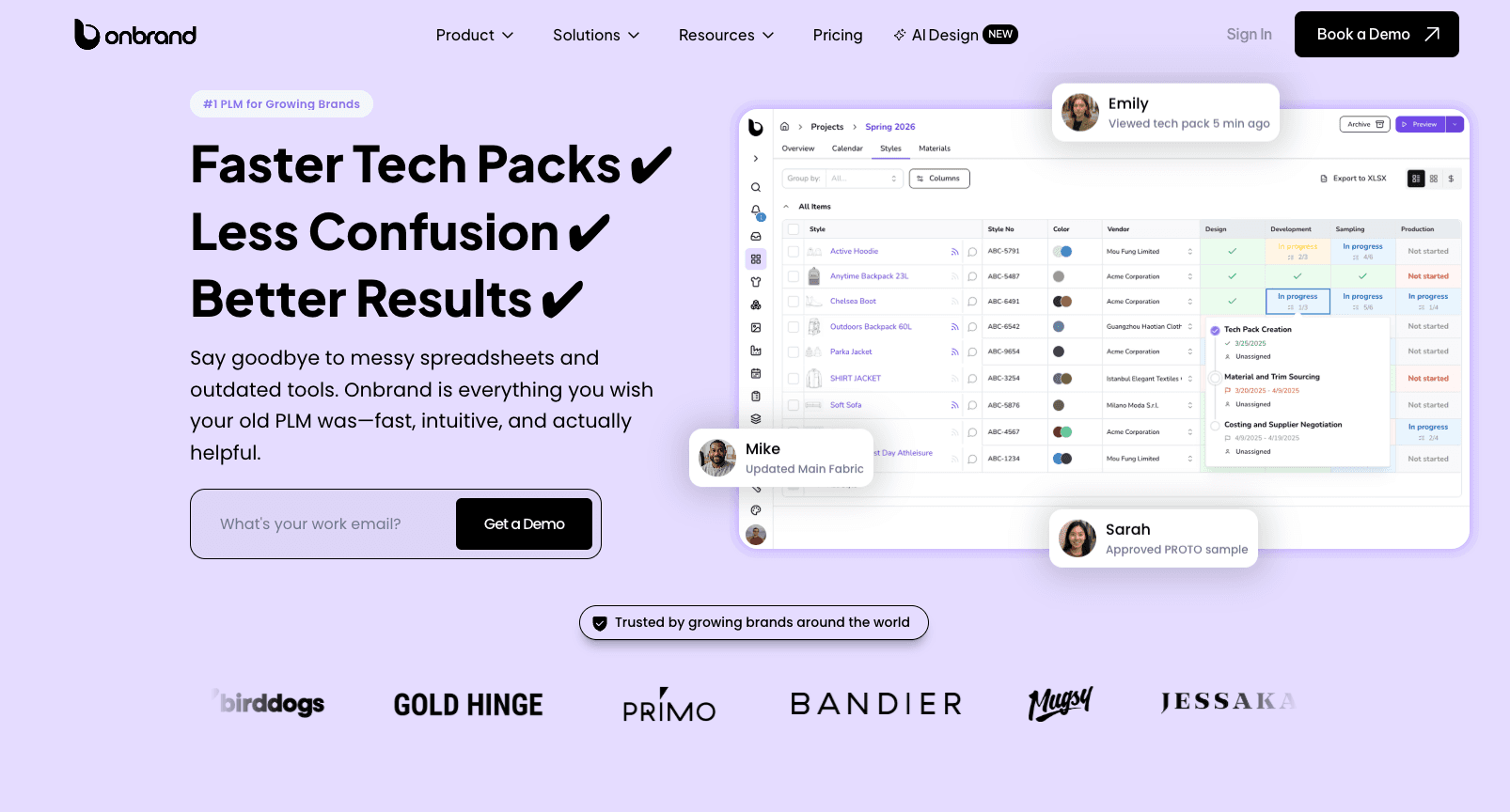
It brings tech packs, samples, timelines, vendor communication, libraries, and approvals into one connected workspace, helping your team stay organized without relying on spreadsheets or outdated systems.
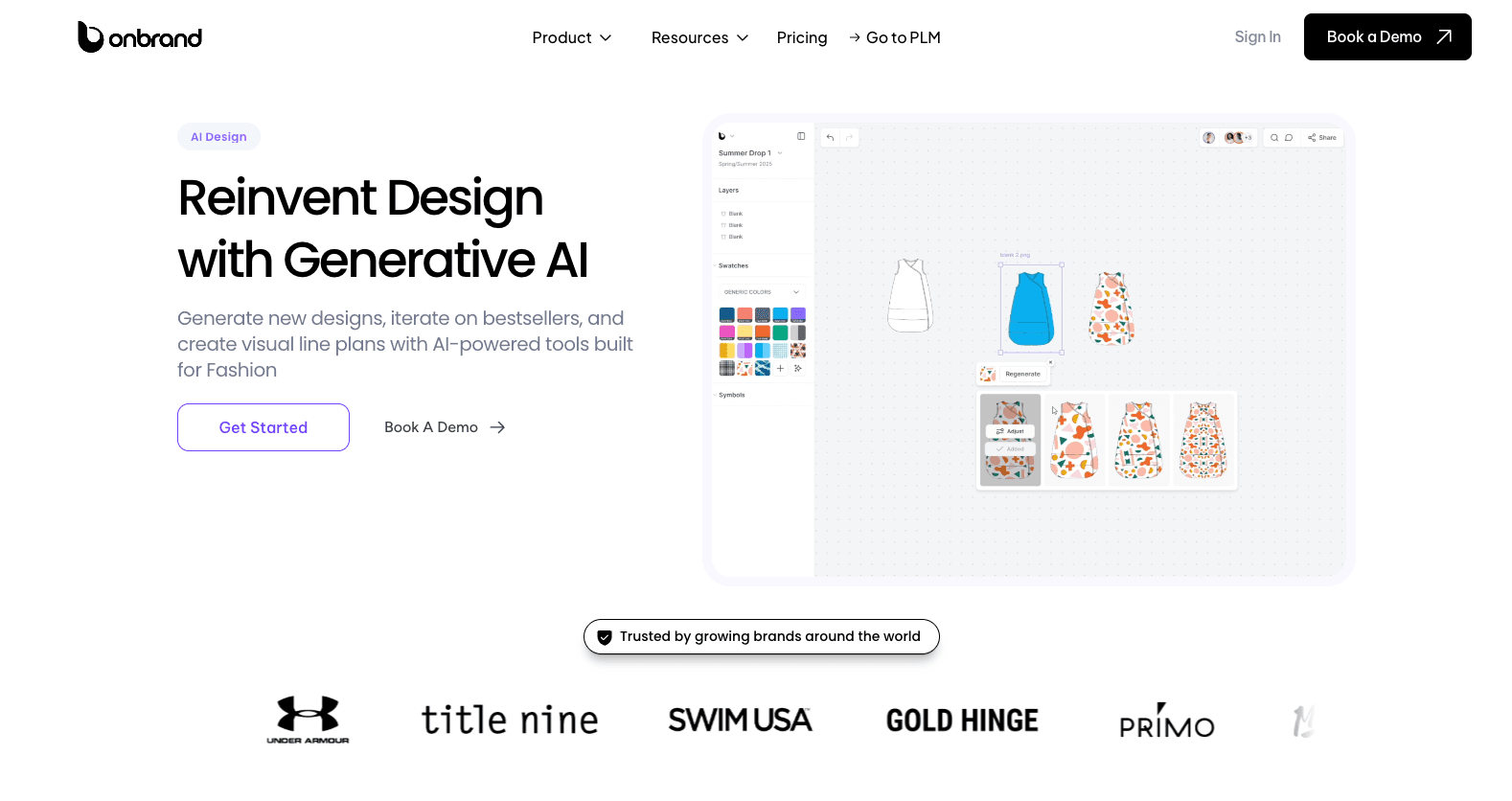
Onbrand also connects with Onbrand AI Design, which helps teams generate concepts, explore colorways, create visual line plans, and move approved design assets into PLM. That gives brands a smoother path from early ideas to development-ready product records.
Why It Works Well for Outdoor Gear
Outdoor gear development often involves technical fabrics, trims, hardware, colorways, fit rounds, vendor comments, and changing specifications.
Onbrand keeps those details connected through live tech packs, shared libraries, project management, sample reviews, and vendor collaboration.
The live tech pack setup is especially useful. Suppliers can access the latest version online, similar to a shared document, which helps reduce confusion caused by PDFs, Excel files, and outdated attachments.
Key Strengths
Live tech packs – Suppliers always see the latest product details, which helps reduce confusion from outdated PDFs, spreadsheets, and email attachments.
Faster development setup – Onbrand can be implemented in as little as 10 days, which can help growing brands move away from scattered files faster.
Connected sample feedback – Teams can track prototype rounds, comments, approvals, and changes without separating sample notes from the product record.
Built for vendor collaboration – Factories and suppliers can work inside the platform, so communication stays tied to the product instead of getting lost in email or chat.
Strong fit for creative teams – The interface feels more modern and easier to use than many legacy PLM systems, which helps fashion designers and product teams adopt it faster.
Onbrand AI design integration – Onbrand AI Design can help teams create concepts, explore variations, build visual line plans, and move approved assets into PLM.
Best For
Onbrand PLM is best for growing brands that have moved beyond spreadsheets but do not want a slow, legacy-style implementation. It fits teams managing outdoor apparel, footwear, accessories, bags, and technical products with multiple materials, samples, vendors, and approvals.
2. Centric PLM
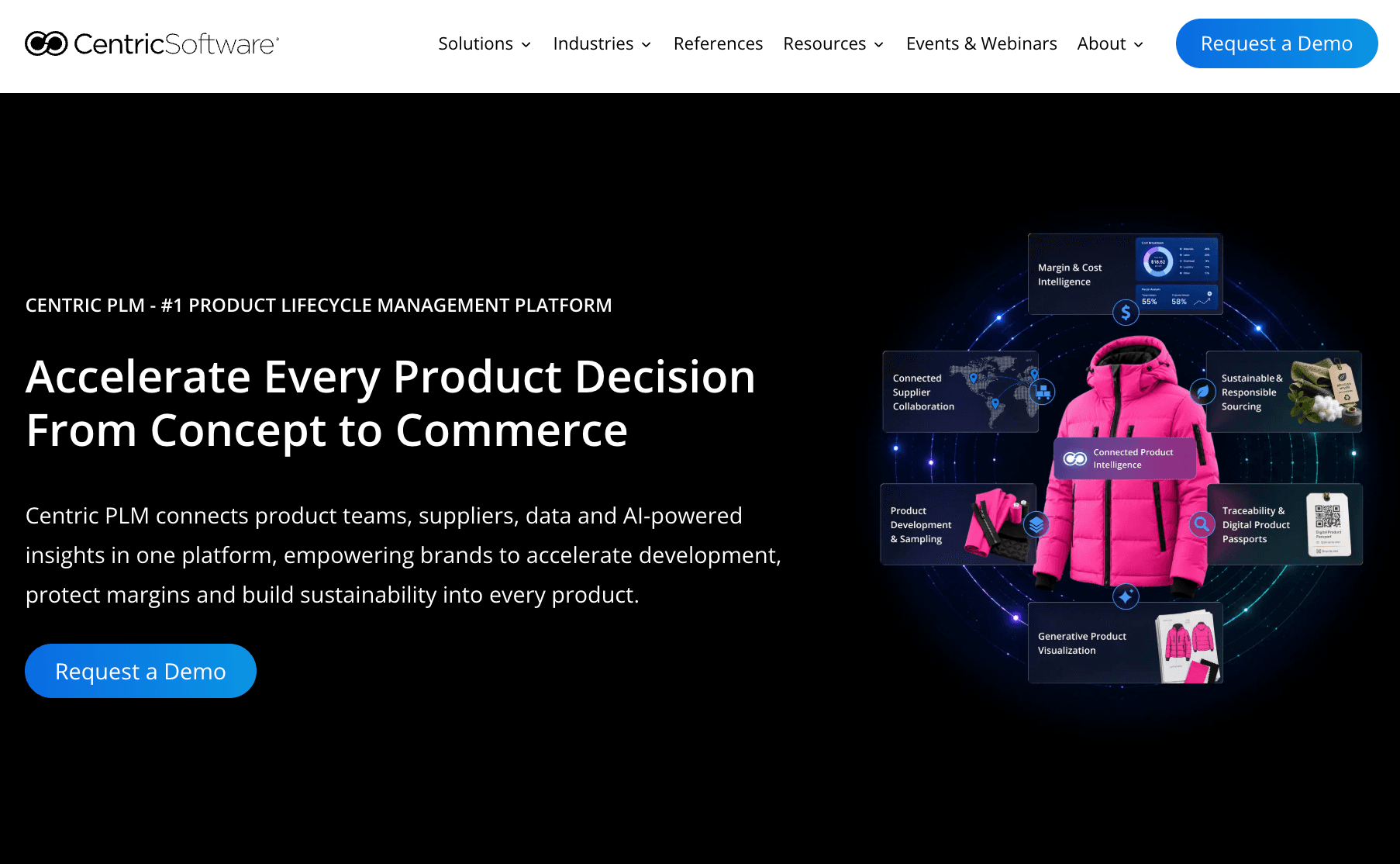
Centric PLM is an enterprise platform used by many large brands in the fashion industry, as well as companies in footwear, outdoor, and consumer goods.
It brings product data, sourcing, development, cost management, testing, and commercialization into one platform to support complex product lifecycles.
Source: centricsoftware.com
Why It Works Well for Outdoor Gear
Most brands with large outdoor product lines need one platform to coordinate sourcing, product data, testing, compliance, and commercialization.
Centric PLM brings those processes together while supporting both technical apparel and equipment. Its fashion-specific PLM capabilities are particularly useful for companies that develop outdoor apparel alongside hard goods.
Key Strengths
Centralized product data and BOM management
Supplier, sourcing, and costing tools
Collection planning and product commercialization
2D and 3D design integrations
Supports compliance and traceability
Potential Considerations
Centric PLM is primarily built for enterprise environments, so implementation projects can require significant planning, training, and internal resources. Organizations with simpler development processes may find the breadth of functionality more than they need.
Best For
Large organizations with global product development teams, multiple suppliers, and extensive product catalogs that need structured processes between departments.
3. Backbone PLM
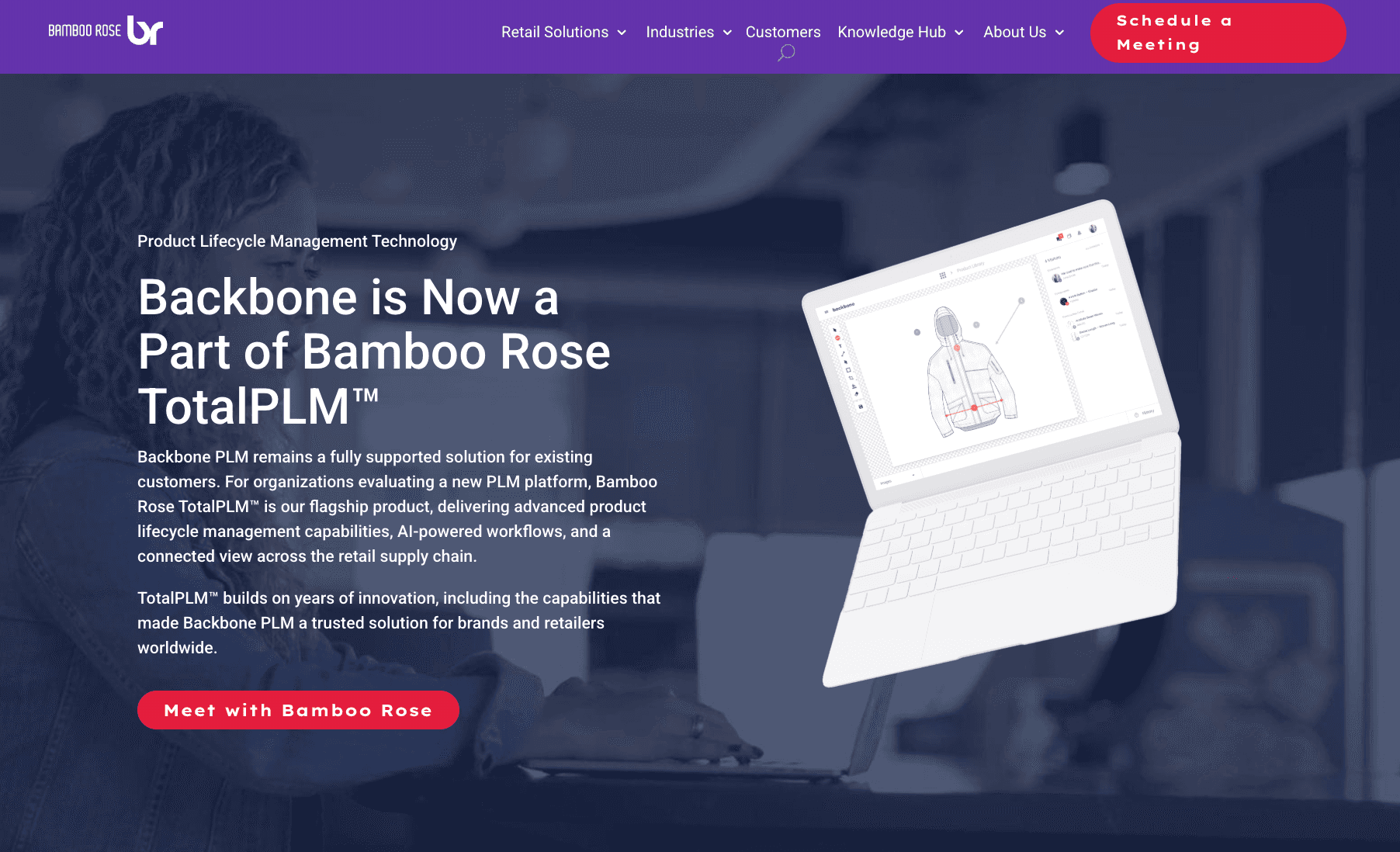
Backbone PLM is a cloud-based PLM platform now offered as part of Bamboo Rose TotalPLM.
It is commonly used by growing brands that want to organize product information, create tech packs, and collaborate with suppliers in one system.
Source: bamboorose.com
Why It Works Well for Outdoor Gear
Keeping specifications, materials, artwork, and sample information together becomes increasingly important as product lines expand.
Backbone PLM provides centralized product records, shared tech packs, specification libraries, and Adobe Illustrator integration that help development teams keep information organized throughout the process.
Key Strengths
Tech pack creation and sharing
Centralized BOM and specification libraries
Version history and product records
Cloud-based collaboration
Potential Considerations
Backbone PLM continues to support existing customers, while Bamboo Rose positions TotalPLM as its primary platform for new implementations. Teams evaluating the platform may also want to consider how the product roadmap aligns with their long-term plans.
Best For
Small teams and growing apparel or outdoor brands looking for a structured way to manage product development without relying on spreadsheets.
4. WFX PLM
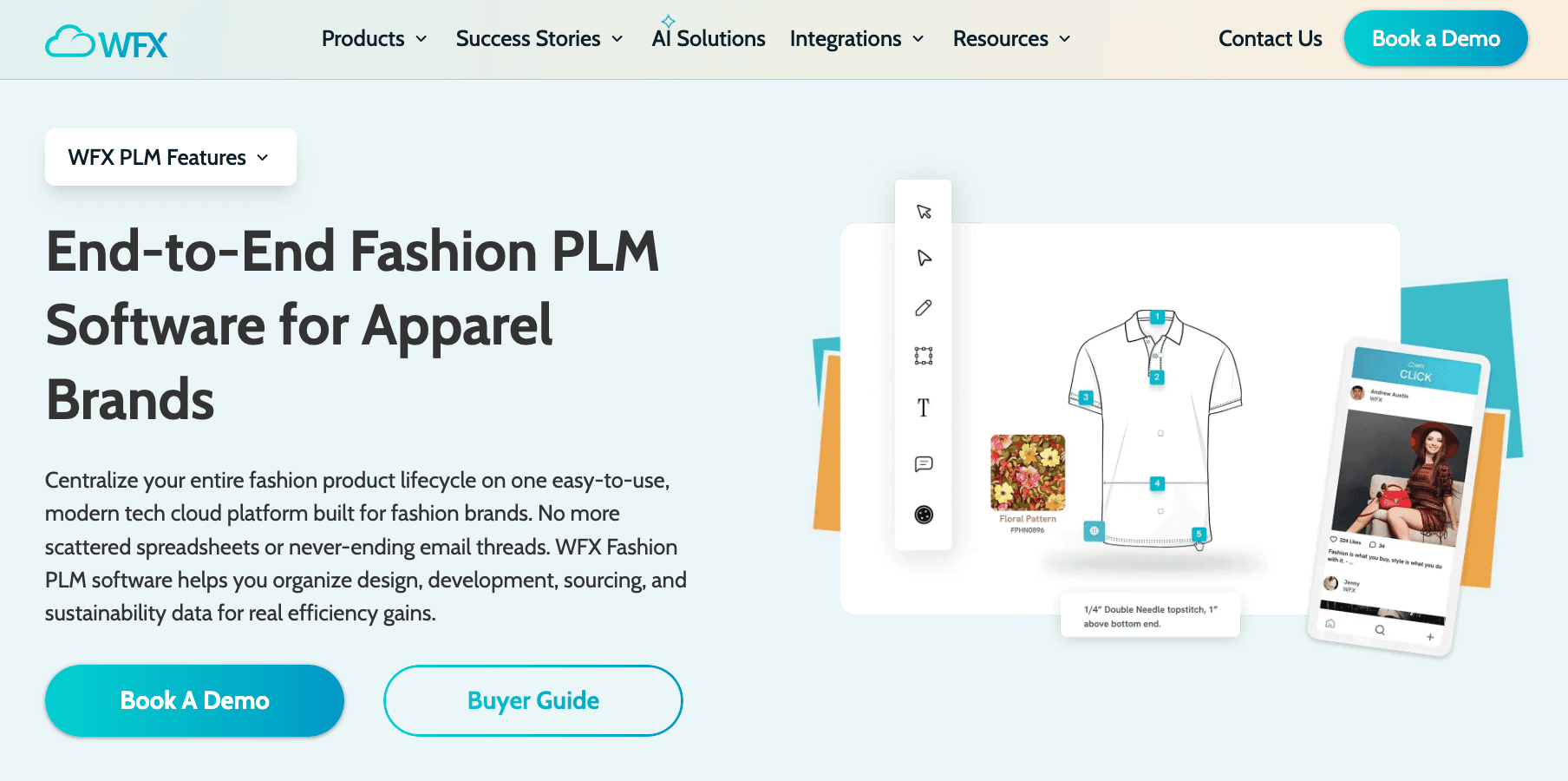
WFX PLM is a cloud-based PLM for fashion that supports product development, sourcing, merchandising, and vendor collaboration from one platform.
It is built specifically for apparel and related product categories, including sports gear, and helps keep product information organized from concept to production.
Source: worldfashionexchange.com
Why It Works Well for Outdoor Gear
Seasonal outdoor collections involve constant coordination between design, sourcing, sampling, production, and vendor teams.
WFX PLM brings those activities together through digital tech packs, supplier collaboration, product development, and line planning to support collection management from concept through production.
Key Strengths
Collection and line planning
Digital tech packs and measurement sheets
Vendor portal and supplier collaboration
Adobe Illustrator, CLO, and Browzwear integrations
Cloud-based product development platform
Potential Considerations
WFX PLM is built primarily for apparel workflows, so brands focused on complex hard goods may want to evaluate how well it fits their development process. Teams should review reporting needs and system performance during evaluation, especially for larger collections.
Best For
Fashion teams managing multiple suppliers, product categories, and seasonal collections that need connected planning and development tools.
5. DeSL PLM
DeSL PLM is a cloud-based platform built for apparel, footwear, retail, and textile businesses.
It brings product development, sourcing, quality management, supplier collaboration, and product information into one connected system to support the full development process.
Source: desl.net
Why It Works Well for Outdoor Gear
Design, sourcing, quality testing, color approvals, and supplier communication all need to stay aligned before production begins.
DeSL PLM connects those activities in one platform and offers configurable workflows that can be adapted to different product categories and approval processes.
Key Strengths
End-to-end PLM
Supplier relationship management
Digital planning boards and color approvals
Product information management
Quality management and compliance tools
Potential Considerations
DeSL PLM includes a broad set of modules, so setup may require additional planning depending on the workflows a business wants to implement. Teams new to the platform may need time to become familiar with some of its functions.
Best For
Fashion companies managing multiple product categories, suppliers, and global operations that need a connected platform with flexible development processes.
6. PTC FlexPLM
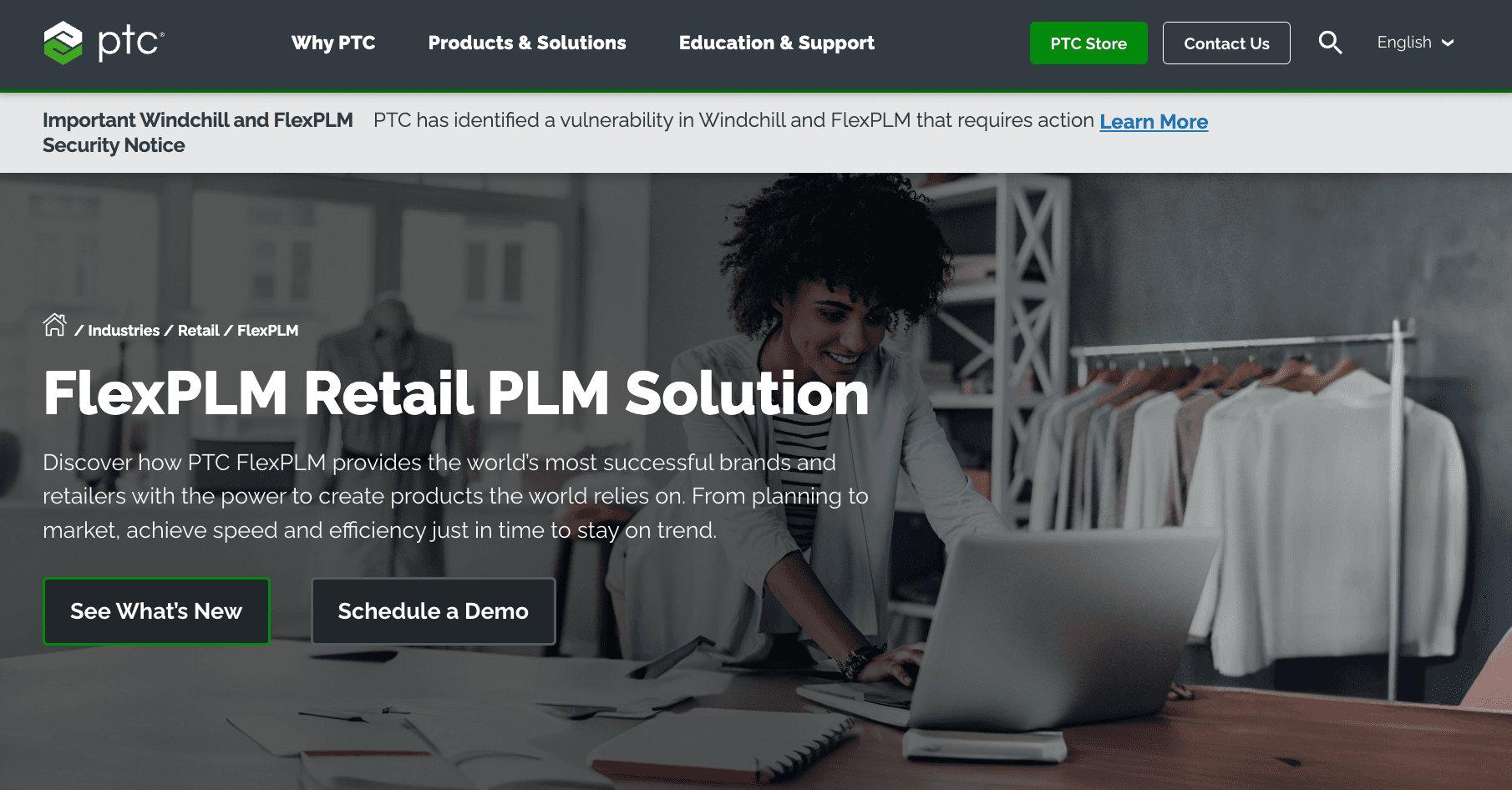
PTC FlexPLM is an enterprise platform built for fashion product development and retail PLM.
It supports planning, product data, sourcing, compliance, and supplier collaboration from concept through commercialization.
Source: ptc.com
Why It Works Well for Outdoor Gear
Technical apparel and outdoor equipment require detailed product records, sourcing information, compliance tracking, and supplier coordination before production begins.
PTC FlexPLM supports these processes with tools built for apparel product lifecycle management, helping teams organize product information and shorten time to market.
Key Strengths
Enterprise PLM
Product data and specification management
Supplier, sourcing, and compliance tools
2D and 3D design integrations
Planning boards and analytics
Potential Considerations
PTC FlexPLM offers a broad set of enterprise capabilities, so implementation and configuration can require significant planning. Its highly configurable architecture provides flexibility but may also require additional training for teams adopting the platform.
Best For
Large apparel, footwear, and retail organizations managing global product portfolios, complex supply chains, and high product volumes.
7. BlueCherry PLM
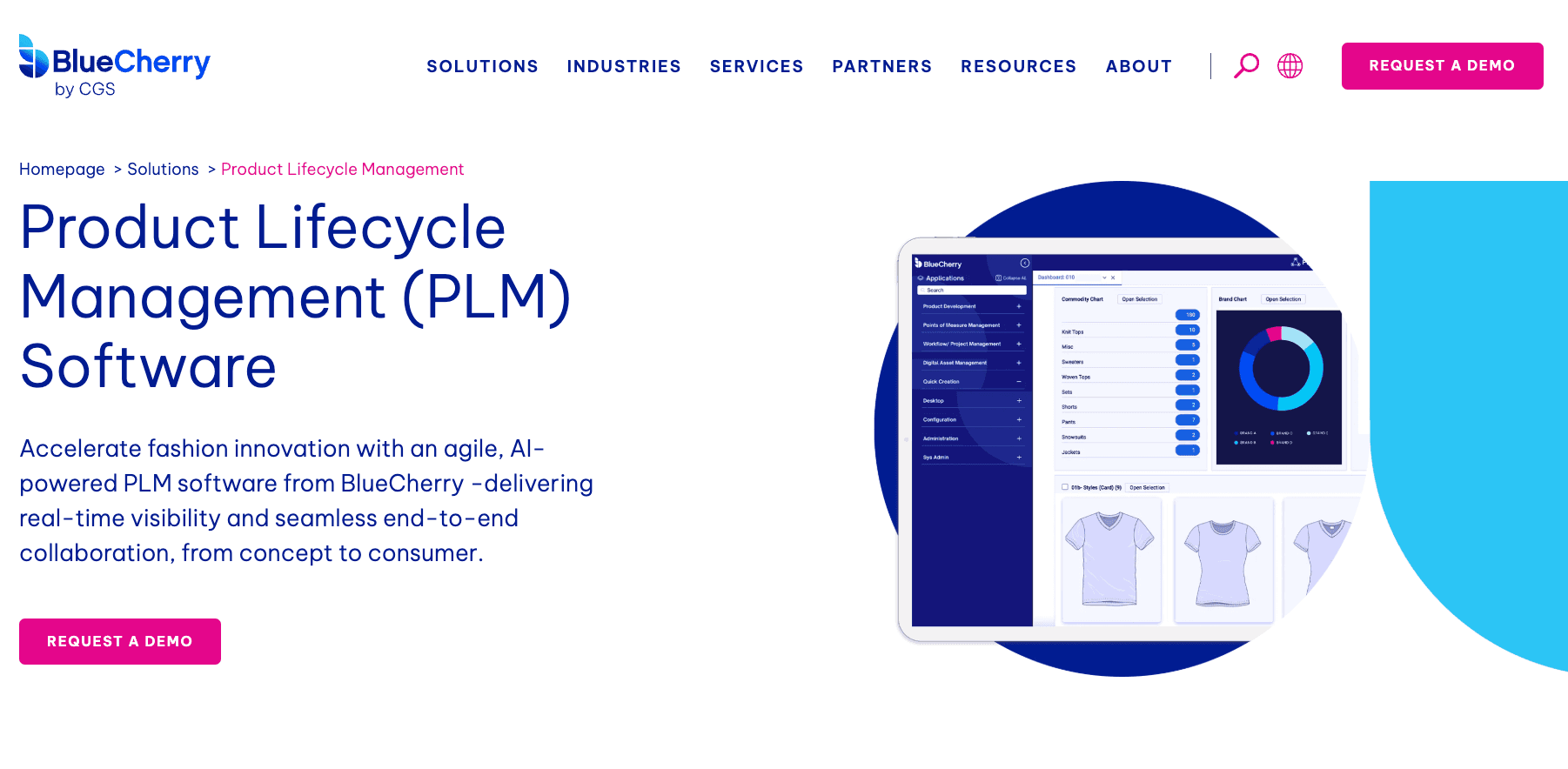
BlueCherry PLM is part of the BlueCherry product suite from CGS and is built for footwear, lifestyle, and apparel brands.
It combines product development, sourcing, compliance, and manufacturing information in one platform while connecting with ERP and other business systems.
Source: bluecherry.com
Why It Works Well for Outdoor Gear
Development, sourcing, manufacturing, and production planning involve many moving parts before a product reaches the factory.
BlueCherry PLM brings product information, approvals, supplier communication, and production tracking together, helping teams maintain visibility from design through manufacturing and delivery.
Key Strengths
Product lifecycle and BOM management
Adobe Creative Cloud integration
Supplier and compliance management
ERP and supply chain integrations
Workflow and approval management
Potential Considerations
BlueCherry PLM is closely connected with the broader BlueCherry ecosystem, so brands looking only for a standalone PLM may find the platform offers more functionality than they need. Organizations evaluating the system should also consider how it fits within their existing technology stack.
Best For
Brands that want product development and manufacturing processes connected within a broader ERP and supply chain environment.
What to Look for in an Outdoor Gear PLM
Outdoor products often involve more moving parts than standard consumer goods. A backpack, hiking boot, or waterproof jacket can include dozens of materials, components, suppliers, and approvals before production begins.
Understanding the key features of a PLM solution can help your team organize product information, reduce manual work, and keep product development on track.
Material Management
Outdoor products rely on more than fabric alone. Technical materials, insulation, waterproof membranes, trims, and hardware all need accurate specifications from concept to production.
A PLM with connected material libraries and fabric libraries makes it easier to reuse approved materials, maintain consistency between styles, and reduce unnecessary physical samples.
Support for virtual prototyping can also help your team review ideas earlier, before committing to additional sampling.
BOM Management
A bill of materials should do more than list product components.
Outdoor products often combine fabrics, trims, hardware, packaging, and other details that need to stay connected within the same product record.
A PLM with multi-level BOMs and built-in version control reduces duplicate data entry, improves cost visibility, and makes updates easier to manage as specifications change.
Supplier Collaboration
Many outdoor brands work with multiple factories, mills, trim vendors, and testing partners throughout the supply chain.
Clear supplier collaboration helps everyone work from the latest specifications, approvals, and product information.
Keeping communication connected in one place also helps reduce manufacturing mistakes caused by outdated files or inconsistent product details.
Specifications & Version Control
Product specifications rarely stay the same throughout development.
Measurements, construction details, and every tech pack revision should remain connected to the same record so suppliers always have access to the latest information.
Strong version control also reduces confusion caused by disconnected tools and helps prevent outdated specifications from reaching production.
Compliance & Sustainability
Many outdoor products must meet certification standards, testing requirements, and material regulations before production begins.
A PLM should organize compliance documents, traceability records, recycled material information, and restricted substance requirements in one place.
As Digital Product Passport requirements continue to develop, keeping this information connected throughout the product lifecycle can simplify compliance, improve traceability, and make reporting easier.
Sample & Development Tracking
Most outdoor products go through several prototype rounds before production.
A PLM should support sample management by tracking development stages, approvals, and revisions from the first prototype through final approval.
Built-in sample tracking helps design teams and remote teams stay aligned, reduce delays, and accelerate approvals.
Integrations
Your PLM becomes more valuable when it connects with the tools your business already uses.
Look for integrations with enterprise resource planning systems, Adobe Illustrator, 3D applications, PIM platforms, and other design software.
These connections reduce manual work between standalone PLM tools, improve data consistency, and support workflows such as virtual prototyping.
Things to Consider Before Choosing an Outdoor Gear PLM
No PLM is the right fit for every outdoor brand. The best choice depends on the products you make, how your team operates, and where your business is headed over the next few years.
These five considerations can help you narrow your options.
Start with Your Product Mix
Every outdoor brand develops products differently. Your product range may include technical apparel, footwear, backpacks, tents, climbing equipment, or a mix of product categories.
Before comparing platforms, think about the types of products your team develops today and the categories you plan to introduce in the future.
Choosing software that already supports your product mix can make adoption much easier.
Choose a Platform That Fits Your Team Size
Smaller fashion brands often benefit from software that is quick to learn and easy to maintain. The same is true for very small teams with limited product development resources.
Expansion often brings more users, product categories, and approval steps. Choose a platform that can support those changes without requiring you to replace your system.
Large-scale apparel companies typically require more advanced controls to support multiple departments, regions, and business units.
Consider Your Supplier Network
Your sourcing model plays a big role in choosing the right PLM. A brand working with a handful of local suppliers has different requirements than one managing a global network of factories.
Think about how your suppliers communicate today and how you expect those relationships to change over time.
The right platform should support the way your business manages product development throughout the entire lifecycle of each product.
Plan for Where Your Brand Is Headed
Your current collection is only part of the picture. Consider where your business will be in the next few years.
If you expect to launch new styles, add more users, or expand into additional product categories, choose software that can support those plans.
Replacing traditional PLM or moving away from legacy systems later is often more disruptive than selecting a platform that can scale with your business from the beginning.
Look Beyond the Subscription Price
Software costs are only part of the investment.
Enterprise pricing often includes fashion PLM implementation, data migration, onboarding, training, ongoing support, and other services that affect the total cost of ownership.
Before making a decision, compare the full implementation experience, not just the annual subscription. A platform that's easier to adopt can help your team start seeing value much sooner.
Ready for a Better PLM? Meet Onbrand
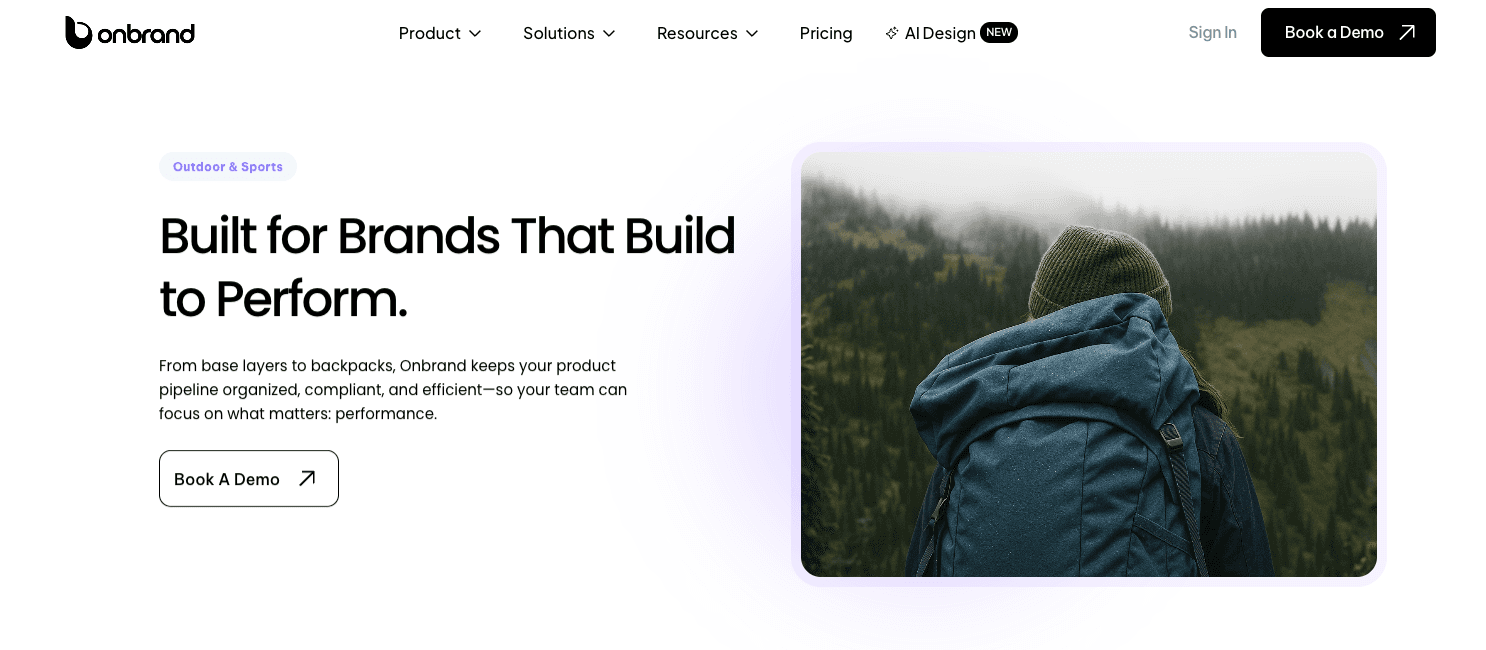
Developing outdoor products involves hundreds of decisions before production begins. The right platform keeps your team, suppliers, and product information connected, making it easier to move styles from concept to launch with fewer delays and less confusion.
If you're ready to replace spreadsheets or legacy systems, Onbrand PLM combines AI-powered design, product development, live tech packs, and supplier collaboration in one platform built for modern outdoor, apparel, and footwear brands.
Book a demo to see how Onbrand PLM can support your outdoor gear product development process.
FAQs About the Best PLM for Outdoor Gear
Can a PLM support both outdoor apparel and equipment?
Yes. PLM platforms vary in the product categories they support. Many are designed primarily for apparel, but broader platforms can also handle footwear, backpacks, tents, climbing gear, and mixed product catalogs. If your brand develops different types of outdoor products, choose software that supports your full product range instead of relying on separate systems.
What's the difference between a PLM and product planning software?
A PLM manages product development from concept through production, including tech packs, materials, samples, approvals, and supplier information. Product planning software focuses on building collections, planning product ranges, and merchandising. Some platforms include assortment tools, but many outdoor brands use separate planning software alongside their PLM.
Can a PLM help outdoor brands make better product decisions?
Yes, but its role is different from market intelligence tools. A PLM keeps product data, development history, costs, and supplier information organized so teams can make informed decisions during development. Trend forecasting, consumer research, and competitive analysis usually come from separate market research or merchandising platforms.
What reports should an outdoor gear PLM provide?
A good outdoor gear PLM should provide visibility into product development, including sample status, approvals, sourcing progress, production timelines, and product costs. Dynamic reports help teams review current information without manually combining spreadsheets, making it easier to monitor projects and identify delays.
How long does it usually take to implement a PLM?
PLM implementation time depends on your company size, existing product data, and the complexity of your workflows. Enterprise PLM projects can take several months because they often involve data migration, configuration, and team training. Some modern cloud-based platforms have much shorter timelines.
For example, Onbrand reports implementation in as little as 10 days, helping brands move away from spreadsheets and begin managing product development sooner.