Jun 17, 2026
Physical samples are expensive, revisions take time, and product teams often need answers before garments reach the factory floor.
That is one reason demand for 3D tools continues to grow in the fashion industry.
Platforms like Style3D and CLO 3D support digital fashion design by helping fashion designers and product teams create digital garments, review fit, test fabrics, and reduce sample rounds during fashion product development.
At first glance, the two tools appear similar. The differences usually become more noticeable once your team starts evaluating collaboration, manufacturing support, and day-to-day workflow requirements.
This guide compares Style3D vs CLO 3D, explains where each platform fits best, and helps you decide which option makes the most sense for your product development process.
What Is Style3D?
Style3D is cloud-based 3D software designed for digital fashion design, virtual sampling, and apparel development.
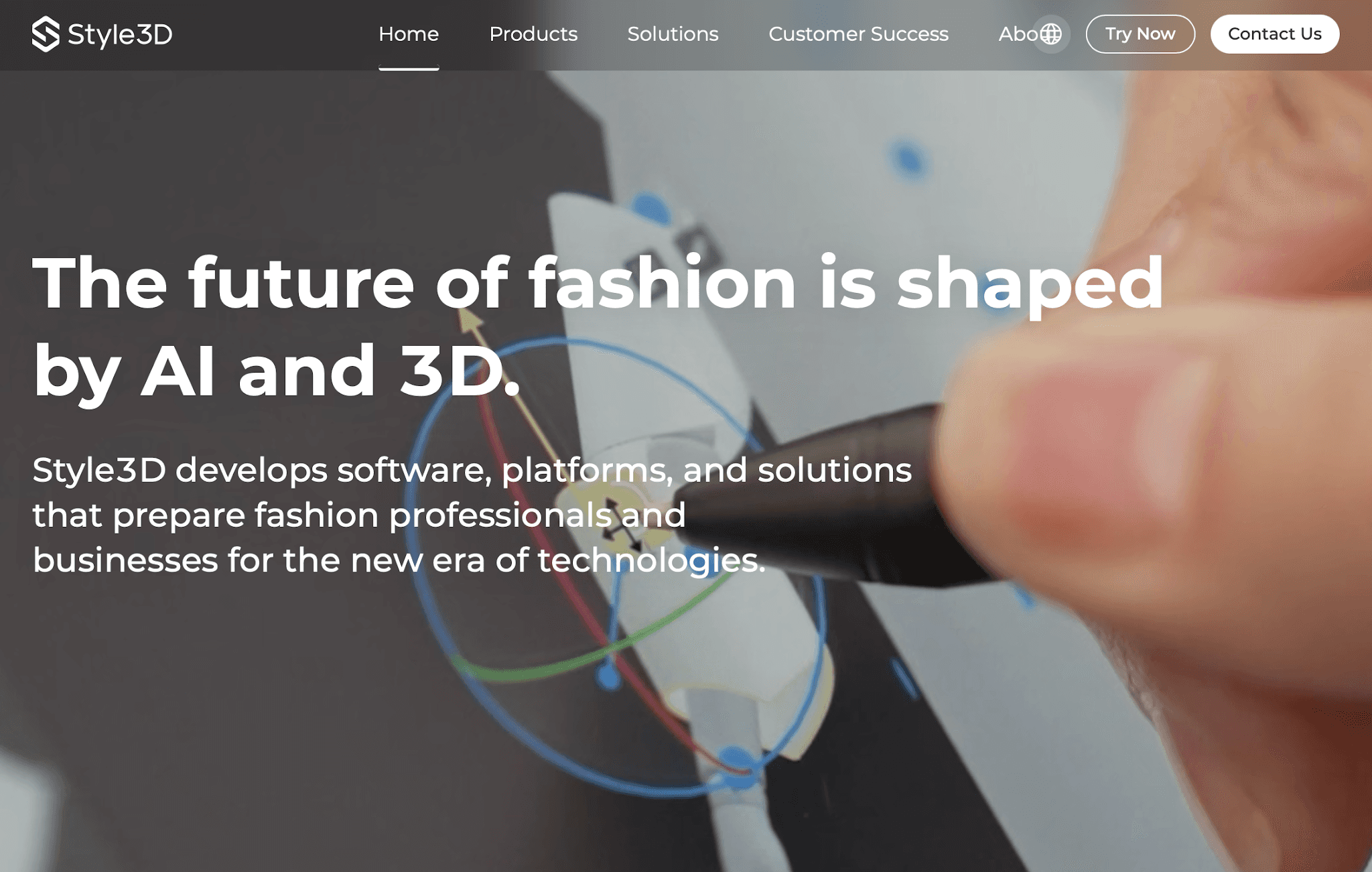
Source: style3d.com
Fashion brands use it to create digital garments, develop patterns, review fit, and visualize products before physical samples are produced.
It combines garment creation, fabric simulation, pattern development, digital sampling, and selected AI tools in a single workspace.
Product developers, technical designers, and manufacturing partners can use digital samples to review styles, discuss revisions, and evaluate products before sampling and production decisions are finalized.
Key Features
3D garment simulation – Review garment fit and construction digitally.
Digital samples – Reduce reliance on physical prototypes during development.
Fabric visualization – Evaluate materials, textures, and colors before ordering yardage.
Collaboration tools – Share designs and collect feedback with stakeholders.
Pattern workflows – Support garment development by linking flat patterns to the 3D shape.
Cloud sharing – Access project files online and simplify file sharing.
Best For
Style3D is often a good fit for teams managing larger product development processes. It works well when multiple stakeholders need visibility into the same styles during development.
Teams looking for advanced features that support both 3D fashion design and apparel development may also find Style3D a good fit.
What Is CLO 3D?
CLO 3D is a fashion design software used for digital garment creation, fit simulation, and product visualization.
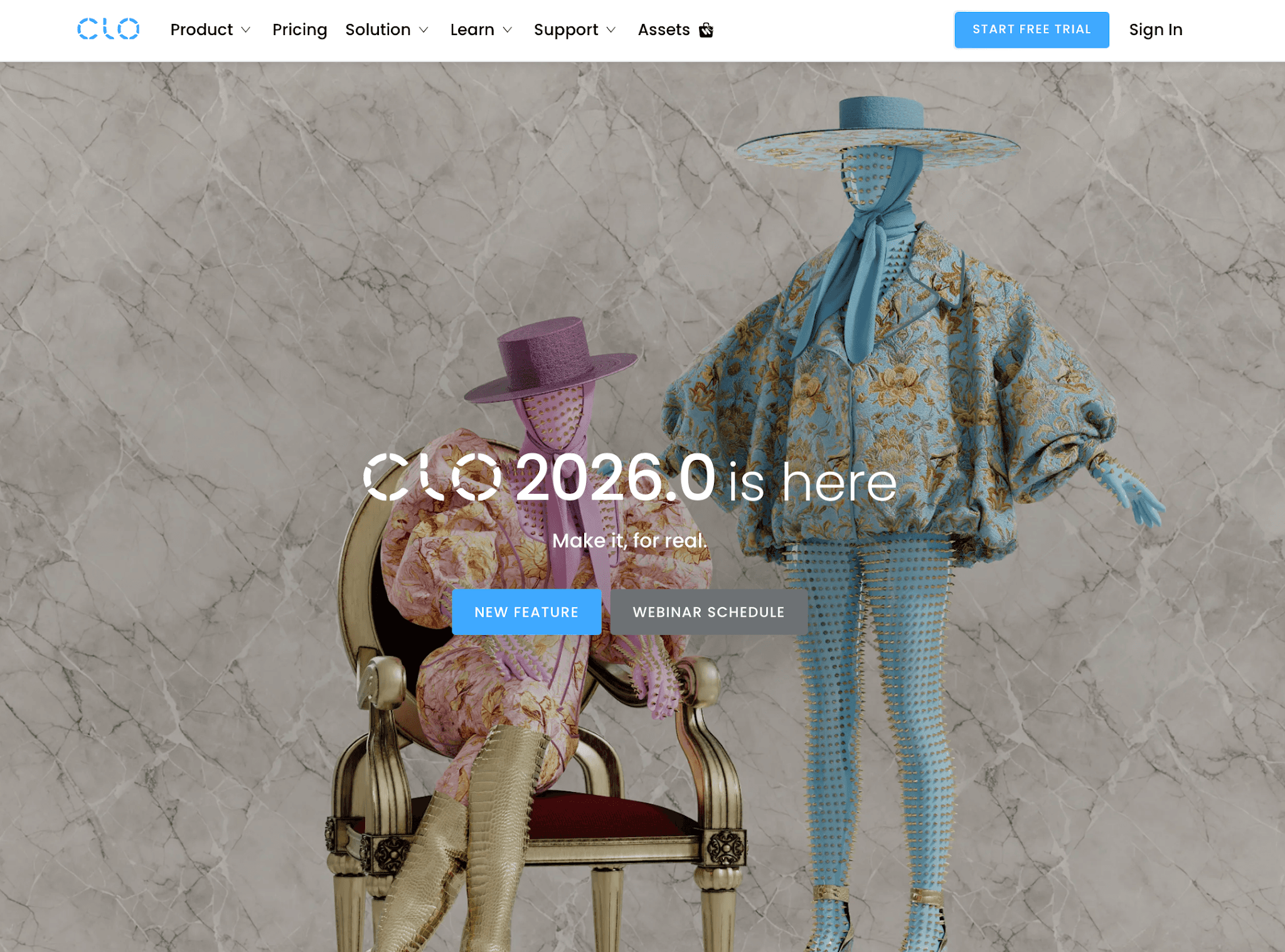
Source: clo3d.com
Widely considered an industry standard in fashion, it helps professionals create virtual garments, test-fit, and review designs before the first sample round begins.
The software places a large focus on visualization and the creative process. Designers and technical teams can experiment with fabrics, garment construction, and fit during development while refining their creative vision before moving into sampling.
Key Features
Fabric testing – Evaluate how different fabrics behave before sample production.
Realistic draping – Review garment movement, fit, and silhouette digitally.
Avatar customization – Adjust avatars to represent different body types for fit reviews.
Rendering – Create presentation-ready garment visuals and marketing images.
Pattern editing – Modify patterns and review updates in a 3D environment.
Best For
CLO 3D is often used by fashion designers, technical teams, and smaller groups focused on design exploration and visualization. It is commonly used during concept development, fit reviews, and early product creation.
New users can find extensive documentation, YouTube videos, community resources, and training course materials that help shorten the onboarding process.
Style3D vs CLO 3D: A Feature-by-Feature Comparison
Choosing between the two platforms often comes down to how your team works during development. The comparison below focuses on the practical difference between them, from design creation to production preparation.
3D Garment Creation
Both tools support digital garment development, but they approach the design process a little differently.
CLO 3D is widely known for flexibility during patternmaking and design exploration. Designers can assemble pattern pieces, adjust patterns, and experiment with complex designs while viewing changes in real time.
That makes it useful when refining garment concepts and construction details before sampling.
Style3D also supports pattern creation and garment assembly, but it places more emphasis on connecting digital garments to downstream development activities. The difference is easier to see when product developers and technical teams review styles before requesting sewing samples.
For brands focused primarily on design exploration, CLO 3D often feels more design-oriented. For teams looking to connect digital design with broader development processes, Style3D may offer a more structured approach.
Fabric Simulation and Fit Accuracy
Fabric behavior plays a major role in digital product development. A garment may look finished on screen but perform very differently once physical samples are produced.
CLO 3D places a large focus on realistic fabric simulation, fabric physics, and detailed testing of fabric properties. Designers can experiment with different fabrics, adjust drape and stretch settings, and use avatar customization to evaluate fit on different body types before samples are produced.
Style3D offers similar capabilities, including material libraries, digital fit validation, and fabric measurement tools that help capture real-world material behavior for simulation. Both platforms rely on data-driven material physics to improve simulation accuracy and support earlier fit evaluation.
One difference is that CLO 3D provides more mature visualization tools for fit analysis, including detailed strain and stress maps that help technical teams identify potential fit issues during review.
Teams looking to evaluate fit earlier and reduce material waste may find value in either option.
Rendering and Visualization
Rendering quality becomes important when styles need to be presented beyond internal design reviews. Product developers often use digital visuals during approvals, line reviews, marketing preparation, and vendor discussions.
CLO 3D is well known for high-quality rendering and realistic garment presentation. Designers can evaluate fabric colors, create polished images, and prepare assets for presentations before physical samples are available.
Style3D also supports visual output and product imagery. This gap shows up when brands want to create marketing assets alongside product development work. Style3D places additional focus on promotional content, digital showcases, and virtual try-ons.
Both tools can help teams review new designs before production begins. The better choice often depends on whether visual output is primarily for design reviews or broader business use.
Collaboration and Team Workflows
Collaboration becomes more important once styles move beyond design creation and into reviews, approvals, and development discussions.
CLO 3D supports sharing and feedback, particularly during design reviews and fit evaluations. The need changes when multiple stakeholders must review the same styles, updates, and decisions.
Style3D places more emphasis on collaboration tools that support broader product development activities. Product developers, sourcing teams, and other stakeholders can track styles, review updates, and manage collections with greater visibility.
That is where the biggest workflow difference starts to show. Fashion brands looking for closer coordination between design and development may find Style3D better suited to cross-functional collaboration.
Production Readiness
Requirements change when styles move closer to manufacturing. Product developers often need more than garment visualization before designs can be handed off to factories.
CLO 3D supports digital garment development and pattern editing, making it useful during fit reviews and sample preparation. It can also support technical work, such as reviewing grading rules before styles move forward.
Style3D places greater emphasis on connecting digital garments to broader development activities. That's where the difference starts to show for organizations working closely with manufacturers and managing multiple products being developed at the same time.
Neither tool replaces the systems used to manage product development and production, but both can help prepare styles before they move into later stages of development.
Learning Curve
Learning curve can affect adoption, especially when first-time users need to produce usable 3D garments quickly.
CLO 3D is often easier to get started with. Its user-friendly interface, public tutorials, and active creator community make it accessible for freelance designers and small brands learning the basics of 3D garment development.
One thing worth noting is that CLO 3D can still have a steeper learning curve once users move into advanced pattern work, layered garments, and detailed fit simulation. Real product development still requires practice.
Style3D may take more time to adopt, especially for teams using its broader development and collaboration features. It can be the right tool when training includes product developers, technical designers, and manufacturing partners, not just individual design users.
The Limitation CLO 3D and Style3D Share
Style3D and CLO 3D are valuable tools for digital garment development. They can help fashion teams create styles, review fit, visualize materials, and reduce physical sampling.
A common challenge appears after design reviews are finished. Product development still requires tech packs, material approvals, sourcing decisions, sample tracking, and ongoing revisions.
Problems usually start when information becomes scattered between spreadsheets, emails, shared drives, and disconnected systems. Product developers may be working from one version of a style while vendors reference another.
Neither platform serves as the central system for managing product data, materials, approvals, or vendor communication. Those activities often happen outside the 3D environment.
That is why many fashion brands pair 3D design tools with PLM systems.
Product development rarely stops at 3D design. A PLM platform provides a structured place to manage development information from initial design through production.
What Happens After the 3D Fashion Design Is Approved?
A 3D design approval is not the end of the fashion design process. It is the point where product details, approvals, and vendor updates need a shared place to live.
After design review, your team still needs tech packs, approvals, sourcing details, sample comments, vendor updates, and revision history. Most of this work happens during the post-design phase of product development.
That is where Onbrand fits. It connects design exploration with the development work that happens after a style is approved.
Onbrand AI Design
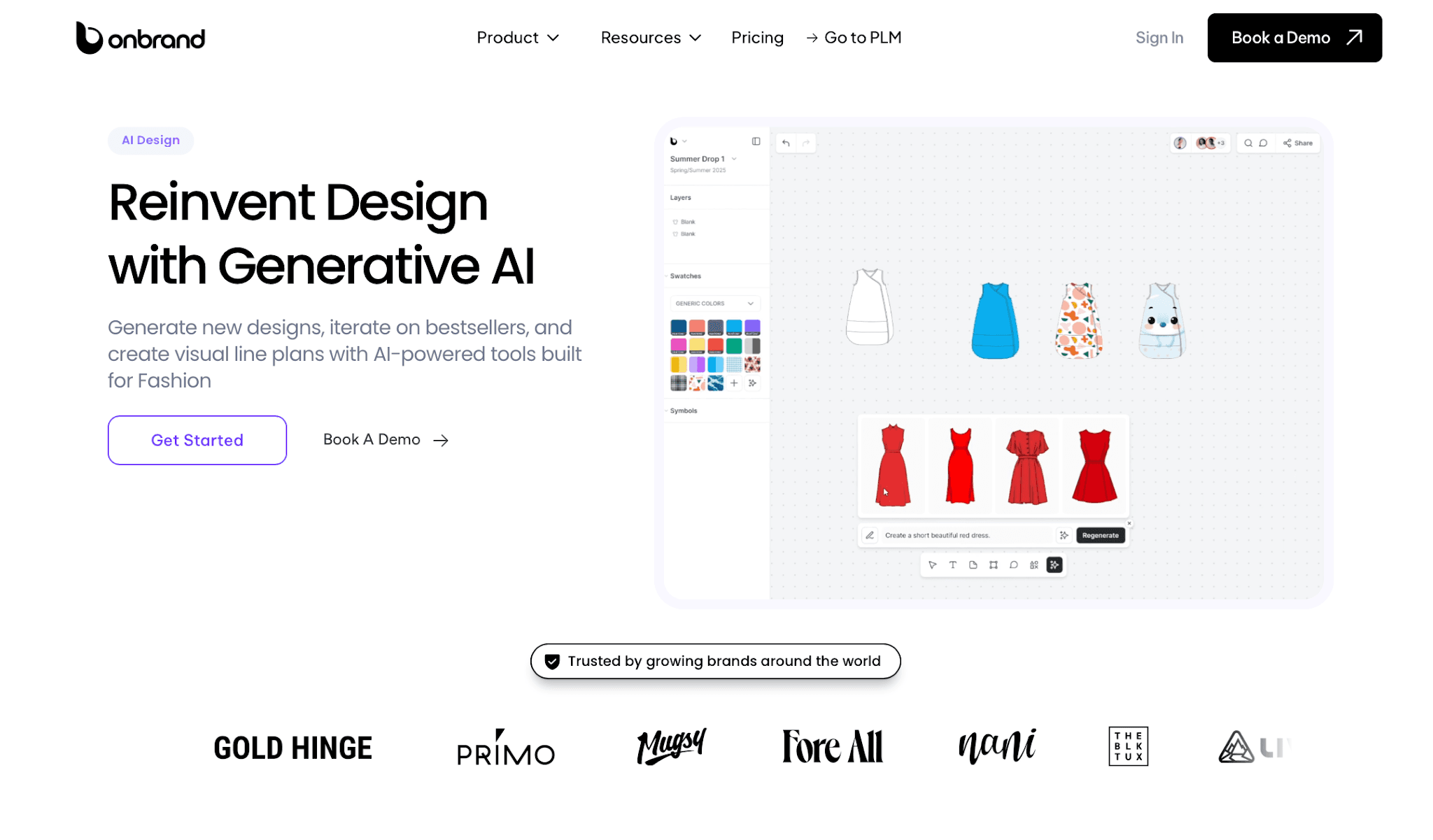
Onbrand AI Design is an AI-powered design workspace for concept creation, visual planning, and design review. It gives teams a place to explore ideas before they move into tech packs and production planning.
Key features include:
Generate concepts from prompts, sketches, or reference photos.
Explore colorways, trims, silhouettes, and variations.
Build mood boards and visual line plans.
Review designs with comments, versions, and shared boards.
Connect approved concepts into Onbrand PLM.
Onbrand AI Design helps teams accelerate concept development with reported results that include 10x faster design turnaround, $1,000s saved on external resources, 30–50% fewer physical samples, and more than 10 weeks saved each year.
Teams use it to generate concepts, explore variations, turn designs into technical sketches, and organize visual reviews before styles move into development. Unlike standalone 3D tools, the same concepts can continue directly into product development through Onbrand PLM.
Onbrand PLM
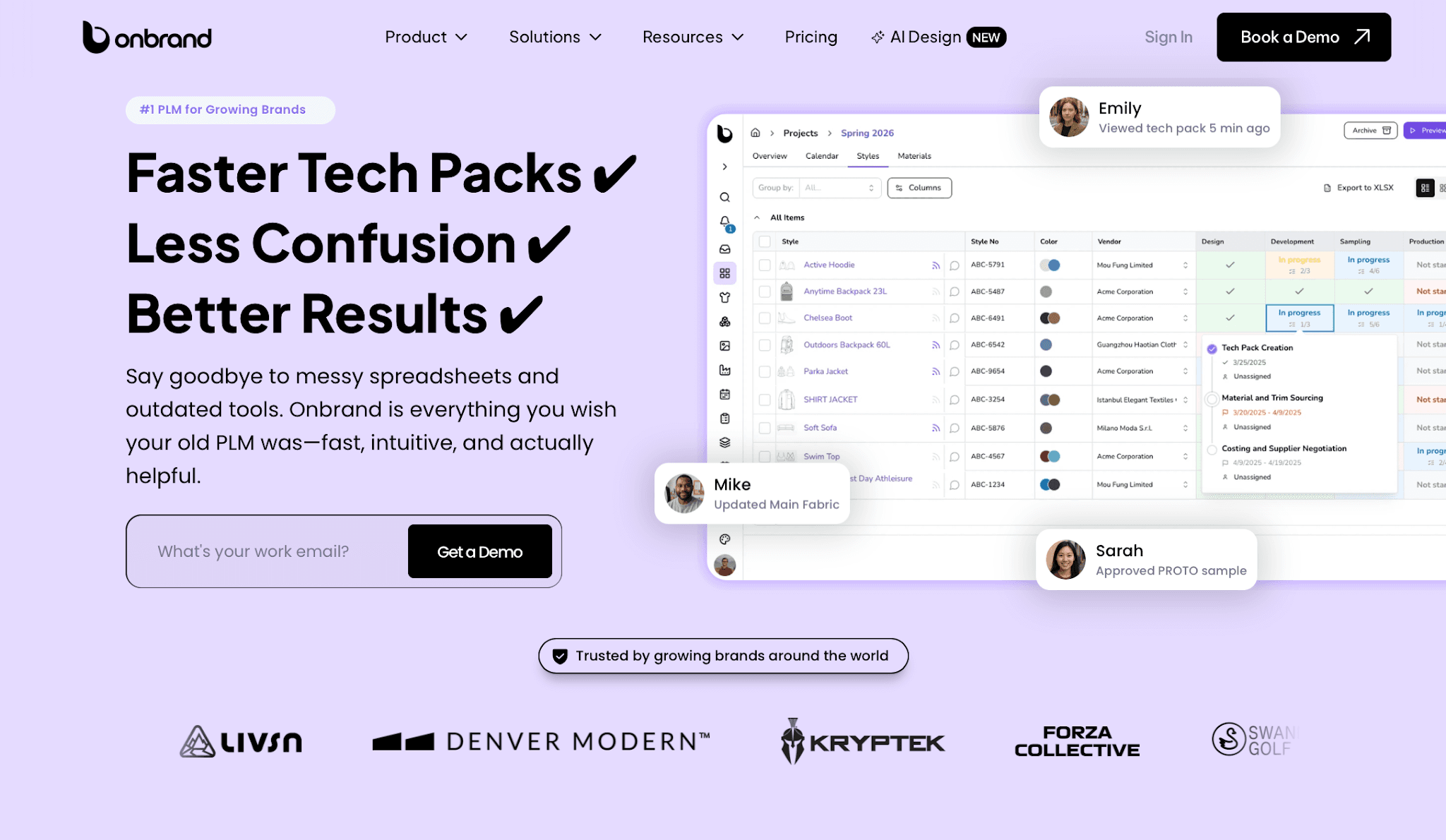
Onbrand PLM is the development system that manages what happens after designs become real products. It gives fashion teams one place to manage live tech packs, product data, approvals, sample tracking, vendor comments, and development timelines.
Key features include:
Live tech packs that stay current without PDF version issues.
Product data management for styles, materials, colors, artwork, and specs.
Vendor collaboration directly inside the tech pack.
Approval workflows for samples, revisions, and development stages.
Collection planning and development tracking.
Onbrand reports 55% faster tech pack creation, a four-week reduction in development, and a ten-day period for data migration and implementation. Most teams are up and running in two to four weeks.
Used together, Onbrand AI Design and Onbrand PLM support the full product development process. The combination creates a next-generation approach to managing design and development in one connected system.
Teams can move from concept exploration to tech packs, approvals, and vendor collaboration without relying on disconnected tools.
Style3D vs CLO 3D: Which Should You Choose?
Choosing between CLO 3D and Style3D depends on where your biggest challenges happen during product development. The best option often comes down to whether your focus is on design creation, production coordination, or what happens after designs are approved.
When to Choose Style3D
Style3D may be a better choice when product development involves several stakeholders and closer coordination with factories. The difference becomes easier to see when design reviews, sourcing discussions, and manufacturing preparation happen at the same time.
It is often used by major brands that want more visibility between development and manufacturing. For larger organizations, reducing sampling rounds can also make it a more cost-effective option.
When to Choose CLO 3D
CLO 3D is often preferred when design exploration and visualization are the main priorities. Many fashion teams use it during the creative process to test fit, review garments, and refine ideas before sampling.
Another factor to consider is adoption. CLO 3D is familiar to many users who already work with Adobe Illustrator and other fashion design software tools.
When to Consider Onbrand
The challenge changes once design approval is no longer the main concern. Problems usually start when tech packs, approvals, revisions, product data, and vendor communication become harder to manage.
Onbrand is best for fashion brands that want to connect creativity with product development. Teams can move from concept generation and technical sketches to tech packs, approvals, vendor collaboration, and product tracking without rebuilding information in separate systems.
Bring Design and Development Together With Onbrand
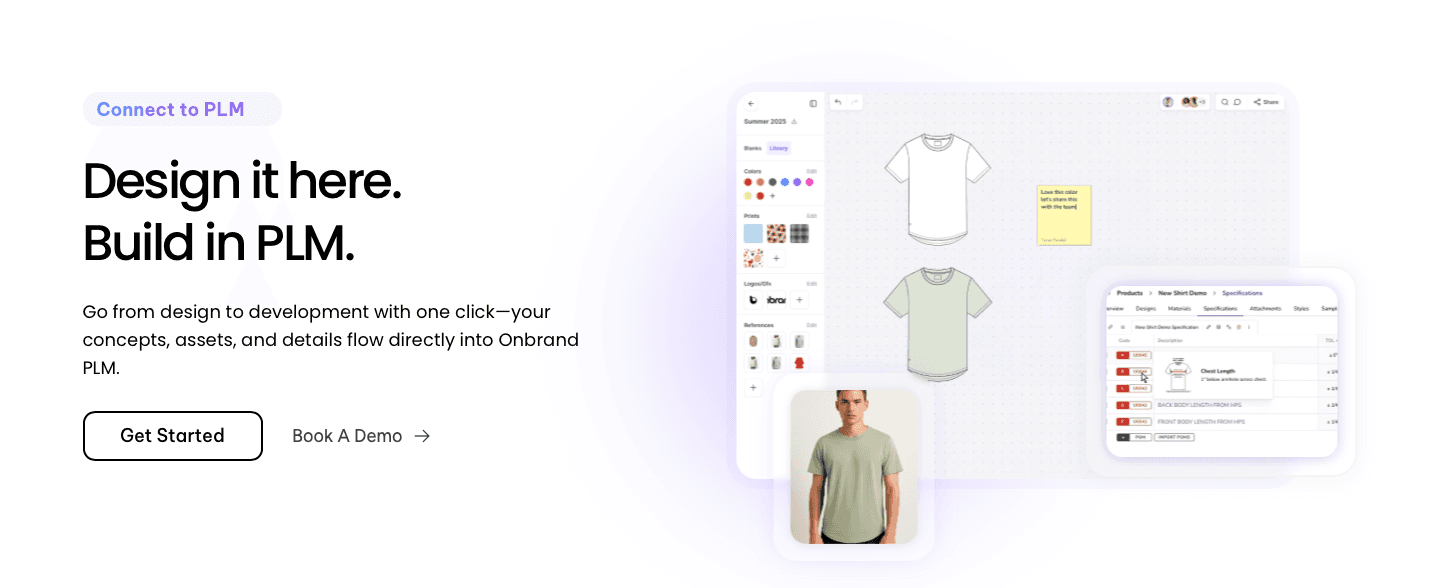
Style3D and CLO 3D can help reduce sampling, improve fit reviews, and support digital garment development. The right choice depends on whether your priority is design exploration or production-focused collaboration.
For many fashion brands, the bigger challenge starts after designs are approved. Onbrand brings AI Design and PLM together in one connected environment, helping teams move from concept to production with better visibility and fewer handoff issues.
FAQs About Style3D vs CLO 3D
Is Style3D good?
Style3D is a capable 3D fashion design platform for brands that want to connect digital garment creation with product development and manufacturing activities. Many teams use it to reduce physical samples, review fit earlier, and improve collaboration between design, development, and production.
Do fashion designers use CLO 3D?
Yes. CLO 3D is widely used by fashion designers, technical designers, and apparel brands for garment visualization, fit simulation, and digital sampling. It is often considered an industry-standard tool and is frequently compared with Marvelous Designer because both focus on realistic garment simulation.
How much does Style3D cost?
Style3D offers several pricing options depending on the user type and feature requirements. Public information indicates that plans can start around $99 per month, with higher-tier subscriptions available for professional users and larger organizations. Pricing may change, so it is best to check the official Style3D website for current details.
Can Style3D or CLO 3D replace a PLM system?
No. Both platforms focus primarily on digital garment creation, visualization, and fit review. Product development teams still need systems to manage tech packs, approvals, materials, vendor communication, sample tracking, and product data.