Every garment begins with an idea, but turning that idea into a finished product takes much more than creativity alone.
Clothing design combines creative thinking with technical planning to turn concepts into products that are ready for development and production.
Designers make decisions about materials, construction, fit, and function long before a garment reaches the market. Digital tools now support many parts of fashion design, from early visualization to product review.
This guide explains each stage of clothing design, from the first concept to production-ready designs, and how the fashion industry is changing the way products are created.
TL;DR
Clothing design is the process of turning an idea into a garment that balances style, fit, comfort, function, and production requirements.
The main steps are research and inspiration, concept development, sketching, fabric selection, prototype creation, refinement, and final design approval.
Good clothing design depends on practical principles such as fit, comfort, proportion, function, material choice, and manufacturability.
Designers use traditional tools, digital illustration, 3D platforms, and AI to develop ideas, review variations, and prepare designs for product development.
Onbrand supports the entire workflow, from AI-powered concept creation and visual exploration to live tech packs, BOMs, revisions, approvals, and vendor collaboration after designs are approved.
What Is Clothing Design?
Clothing design is the process of planning and creating garments that people can wear. It starts with an idea and turns it into a product that balances appearance, function, comfort, and production requirements.
Each design choice, from the overall style and silhouette to fabric selection and construction details, influences how the finished garment looks, fits, and performs.
The purpose of clothing design goes beyond creating attractive products. Designers solve practical problems, such as improving fit, choosing suitable materials, meeting cost targets, and preparing products for manufacturing.
A well-designed garment works for the people who wear it while also meeting the requirements of the brand that produces it.
Whether you're developing a single piece or an entire collection, clothing design provides the foundation for garments that move into development and eventually reach the market.
The Clothing Design Process Step by Step
A successful clothing design follows a structured process that turns an idea into a production-ready design. Each stage builds on the previous one, helping designers refine their thinking before committing to samples and manufacturing.
While every brand works a little differently, most follow the same core steps.
Step #1: Research and Inspiration
Every concept begins with research. Designers collect inspiration from fashion trends, customer preferences, cultural influences, seasonal themes, and everyday observations to develop a creative direction.
This stage also involves gathering reference images, studying existing products, and exploring new ideas that fit the collection. The goal is to build a solid foundation before any design work begins.
Step #2: Concept Development
Once enough research has been collected, designers begin shaping their concept into a practical product idea. They decide what type of garment to create, who it is for, how it will be worn, and what purpose it will serve.
Early decisions about the overall look, proportions, and intended use help guide the rest of the development process. A well-defined concept also reduces unnecessary changes later.
Step #3: Sketching and Visualization
Designers translate their ideas into visual form through sketch work. Initial drawings explore different proportions, construction details, and the overall silhouette before narrowing down the final direction.
Many designers produce multiple sketches before choosing the best option. These drawings communicate the design idea and provide a reference for the next stages of product creation.
Step #4: Fabric Selection
The next step is selecting the right fabric and supporting material components. Designers compare different fabric choices based on appearance, texture, durability, comfort, cost, and how each material behaves during production.
The selected materials influence how the finished garment fits, feels, and performs. Good material selection also helps avoid unnecessary revisions later.
Step #5: Prototype Creation
After the materials and design direction are selected, a patternmaker or sample team creates the first physical prototype.
This stage often includes creating an initial pattern and assembling the garment to test the original design. It provides the first opportunity to identify issues before additional samples are made.
Step #6: Refinement
The first prototype rarely becomes the final product. Designers review the sample, collect feedback, and make adjustments to fit, construction, proportions, or finishing details.
Several rounds of refinement may be needed before the design meets both creative and technical expectations. Each revision moves the garment closer to production readiness.
Step #7: Final Design Approval
Once all revisions are complete, the design is reviewed for final approval. The team confirms that the garment matches the original inspired vision, meets quality expectations, and satisfies business requirements before moving forward.
At this point, the primary design direction is approved and ready to move into detailed product development. Additional revisions may still be needed during sampling or production preparation.
The Principles of Good Clothing Design
A successful garment does more than look nice. It needs to perform well, feel comfortable, and work for the people who wear it. Good clothing design balances creative ideas with practical decisions that support both the wearer and the brand.
Key principles include:
Function – A garment should suit its intended use, from everyday wear to special occasions or a specific event.
Fit – The design should complement the body and allow comfortable movement.
Comfort – Fabric, construction, and overall design should make the garment pleasant to wear throughout daily life.
Balance and proportion – Design elements should work together to create a visually pleasing look, whether it's a dress, pants, or outerwear.
Manufacturability – A design should be realistic to produce using available materials and production methods without changing the original concept.
Versatility – For products intended for regular use, the design should work with other pieces and accessories already in the customer’s wardrobe.
Together, these principles help designers create garments that look considered, feel comfortable, serve their intended purpose, and remain practical to produce.
Essential Skills Every Clothing Designer Needs
Successful clothing designers rely on more than creativity. They combine technical knowledge, creative thinking, and practical business awareness to turn ideas into products that can move from concept to production.
Developing these skills helps every designer make better decisions throughout the design process.
Technical Skills
Technical skills help designers turn creative concepts into products that can actually be made. Sketching allows designers to explore and communicate ideas quickly before investing time in samples.
Knowledge of garment construction, pattern understanding, and working with paper patterns helps designers recognize how different design decisions affect the finished product and reduces costly revisions later.
Creative Skills
Creativity gives each collection its own identity.
A good designer understands color, keeps up with changing trends, and uses visual communication to present ideas in a way that others can easily understand. Creative skills are not just about producing attractive art.
They help designers explain concepts, build a recognizable style, and turn inspiration into products people want to wear.
Professional Skills
Great clothing design is supported by good business judgment. Designers regularly balance creative ideas with budgets, production schedules, and customer expectations.
Understanding how products move from concept to production also makes it easier to make decisions that fit both the design vision and the needs of the business.
Clothing design is rarely done alone, so collaboration is just as important as making creative decisions throughout the product development process.
Types of Clothing Design
Most designers specialize in a particular category based on the products they create and the customers they serve.
Women's wear – Covers everyday clothing, formalwear, women's fashion, lingerie, dresses, and skirt designs for different occasions.
Men's wear – Focuses on products such as shirts, trousers, jackets, and tailored clothing designed for men's apparel collections.
Children's wear – Prioritizes comfort, safety, durability, and freedom of movement for infants, children, and teenagers.
Sportswear – Includes activewear and performance clothing designed for exercise, outdoor activities, and movement.
Streetwear – Features casual fashion such as hoodies, t-shirts, sneakers, and trend-driven collections inspired by everyday culture.
Luxury – Focuses on premium materials, craftsmanship, exclusive designs, and limited-production garments.
Sustainable fashion – Uses responsible materials and production methods to reduce environmental impact throughout the product lifecycle.
Adaptive clothing – Creates garments that improve comfort, accessibility, and independence for people with different physical needs.
Custom clothing – Includes custom clothes, custom shirts, and made-to-order apparel created to meet an individual's measurements or preferences instead of standard sizing.
Branded apparel – Covers uniforms, merchandise, and other garments created for businesses or organizations. A broader branded collection may also include footwear and accessories such as shoes and hats.
Common Tools Used in Clothing Design
Designers use different tools throughout the design process, from developing early ideas to preparing products for review. Each type of tool supports a different part of the workflow, and many brands combine traditional methods with digital technology.
Traditional Design Tools
Traditional tools such as sketchbooks, notebooks, fabric swatches, and a dress form remain an important part of the creative process before designs are developed digitally.
These tools make it easier to test proportions, examine materials, and visualize how a garment may look in three dimensions. They also provide a practical way to refine concepts before creating more detailed designs.
Digital Design Tools
Digital illustration software such as Adobe Illustrator helps designers create technical drawings, fashion flats, and presentation materials.
These tools make it easier to design clothes, revise artwork, organize revisions, and prepare files for product development. Early sketches can then be refined digitally into more detailed designs before they move to the next stage.
3D Design Tools
Platforms like CLO 3D and Browzwear allow designers to visualize garments on virtual models before physical samples are made.
Designers can review proportions, drape, and construction details without producing multiple prototypes. Many fashion brands also use these tools to present collections and review designs internally.
AI Design Tools
AI-powered platforms are becoming part of the early design process by helping designers generate concepts, explore variations, and design clothes online from prompts, sketches, or reference images.
Onbrand AI Design is one example, giving fashion brands a way to quickly explore ideas, customize concepts, and develop their own design concepts before moving into product development.
Challenges Every Clothing Designer Faces
Creating a good design is only part of the job. Designers also have to balance creativity with what can realistically be manufactured.
A concept that looks great on paper may require construction methods or materials that push costs beyond the target budget. Customer demand can also change during development, leading to revisions before production begins.
Choosing the right materials is another challenge. A fabric may look suitable in a sketch but perform poorly during sampling because of its weight, stretch, drape, or durability.
Designers also spend time refining fit, controlling development costs, and selecting materials that support sustainability goals without changing the original design.
Good communication is just as important. Manufacturers need accurate specifications and attention to every detail to produce garments correctly.
Even small misunderstandings can lead to delays, extra sampling, or finished products that don't reflect the original design.
How AI Is Changing Clothing Design in the Fashion Industry
Artificial intelligence is changing how designers explore ideas during the earliest stages of design.
Instead of spending hours creating multiple sketches or manually redrawing concepts, designers can generate variations, compare different directions, and review ideas much earlier in the process.
AI also speeds up reviews by making visual concepts easier to share and refine before sampling begins. That helps teams reduce early physical samples and spend more time improving creative ideas.
Many fashion brands now use AI-powered design platforms to support concept development before products move into production.
Onbrand AI Design: AI-Powered Concept Creation for Clothing Brands
Onbrand AI Design is built specifically for fashion brands that want to create and refine collections faster without sacrificing creative control.
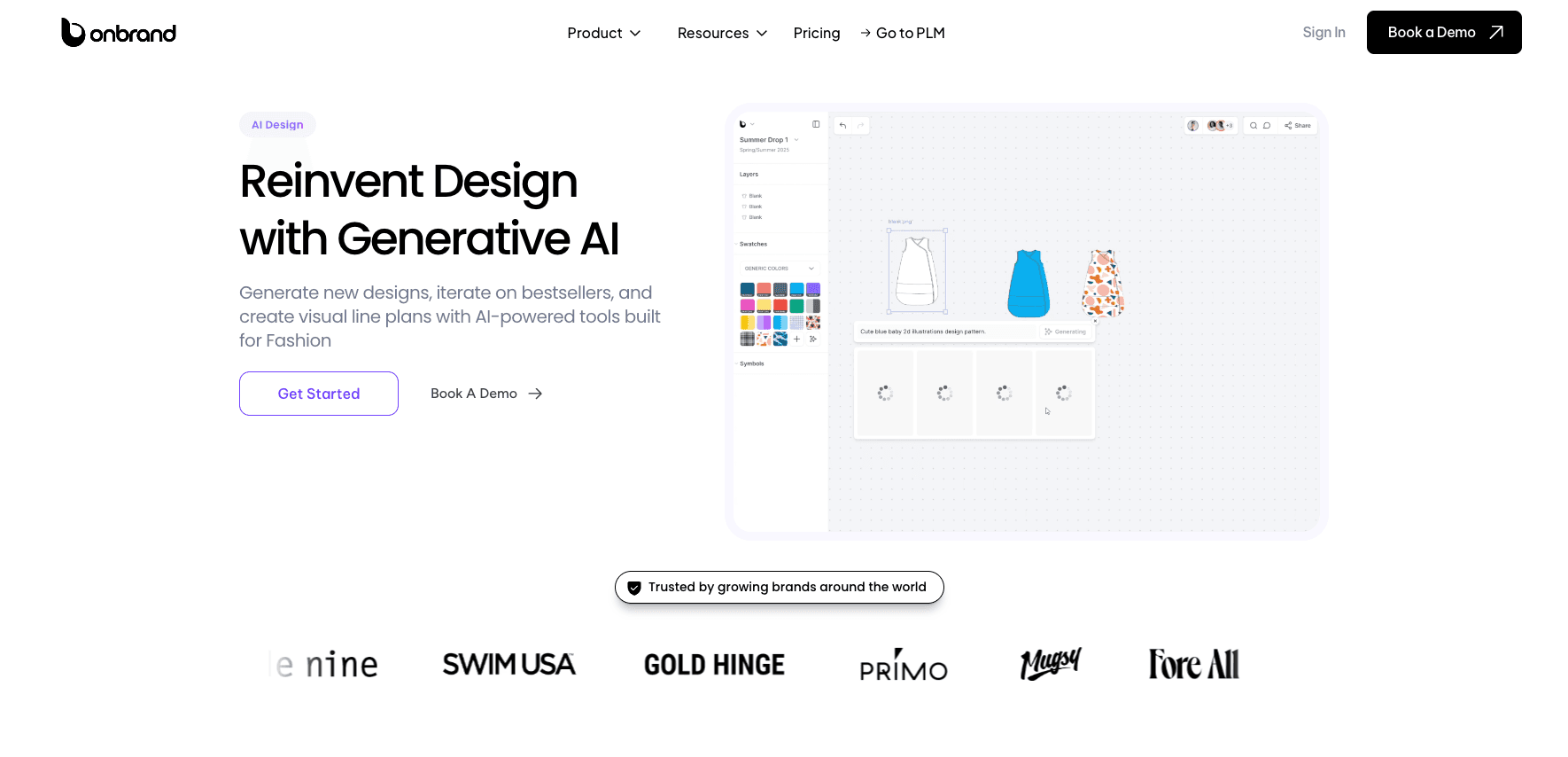
Designers can start with a text prompt, hand-drawn sketch, or reference image and instantly generate new concepts that match their product category and brand direction.
The platform makes it easy to explore multiple colorways, trims, silhouettes, and design variations without starting over each time. Teams can also turn sketches into photorealistic mockups, create on-model visuals, and organize ideas into mood boards and visual line plans for internal reviews.
Onbrand AI Design was built around fashion product workflows. Designers can work in a shared space, compare versions, leave feedback on visuals, and move approved concepts into Onbrand PLM for development.
Brands using Onbrand AI Design report up to 10× faster design turnaround, 30–50% fewer physical samples, and 10+ weeks saved each year by shortening concept exploration and design iteration.
That gives designers more time to focus on creativity while reducing repetitive manual work before production begins.
From Clothing Design to Product Development
Approving a design is only the beginning of product development. Teams now need accurate specifications, materials, bills of materials (BOMs), approvals, and supplier input to turn a concept into a product ready for production.
Product information continues to change throughout this stage.
Measurements, materials, and approvals are updated as designs move forward, making it difficult to keep everyone working from the latest information when product information is stored in multiple spreadsheets, PDFs, emails, and shared folders.
Onbrand PLM: Connecting Fashion Design With Product Development
That's where Onbrand PLM fits into the process. It gives fashion brands one place to manage product information after designs are approved, so every update stays connected as products move through the development process.

Teams work from live tech packs instead of static documents, giving designers, developers, vendors, and production partners access to the latest specifications, materials, BOMs, approvals, and revisions.
Built-in vendor collaboration and project tracking also help reduce unnecessary back-and-forth during product development.
Onbrand is built for growing fashion brands that want a modern PLM without the long implementation process common with many legacy systems. Most teams are up and running within 2–4 weeks, with an average 10-day data migration and implementation process.
Onbrand reports 55% faster tech pack creation and up to four weeks shorter development timelines, giving teams more time to focus on building great products instead of managing disconnected files.
How to Design Clothes From Scratch
Learning to design your own clothes starts with practice, not perfection.
Begin by sketching simple ideas on paper and studying existing garments to understand how different pieces are constructed.
Looking closely at seams, pockets, collars, and sleeves helps you build practical design knowledge from the ground up.
Next, learn how different fabrics behave and create simple prototypes to test your ideas. Seeing a design as a physical sample often reveals changes that aren't obvious in a sketch.
As your skills improve, your portfolio can show how you move from research and sketches to prototypes and refined designs. That body of work can support future freelance projects, design roles, or plans to develop a clothing brand.
AI-assisted design tools make it easier to start creating and test ideas early in the design process. Platforms like Onbrand AI Design help you turn prompts, sketches, or reference images into multiple design concepts, giving you more options to review before moving into samples.
If you eventually decide to build a clothing brand, your portfolio can become the foundation for a website, logo, and future products.
Focus on learning the design process first, then grow your ideas into something you may one day sell through your own shop.
Create Better Clothing Designs With Onbrand
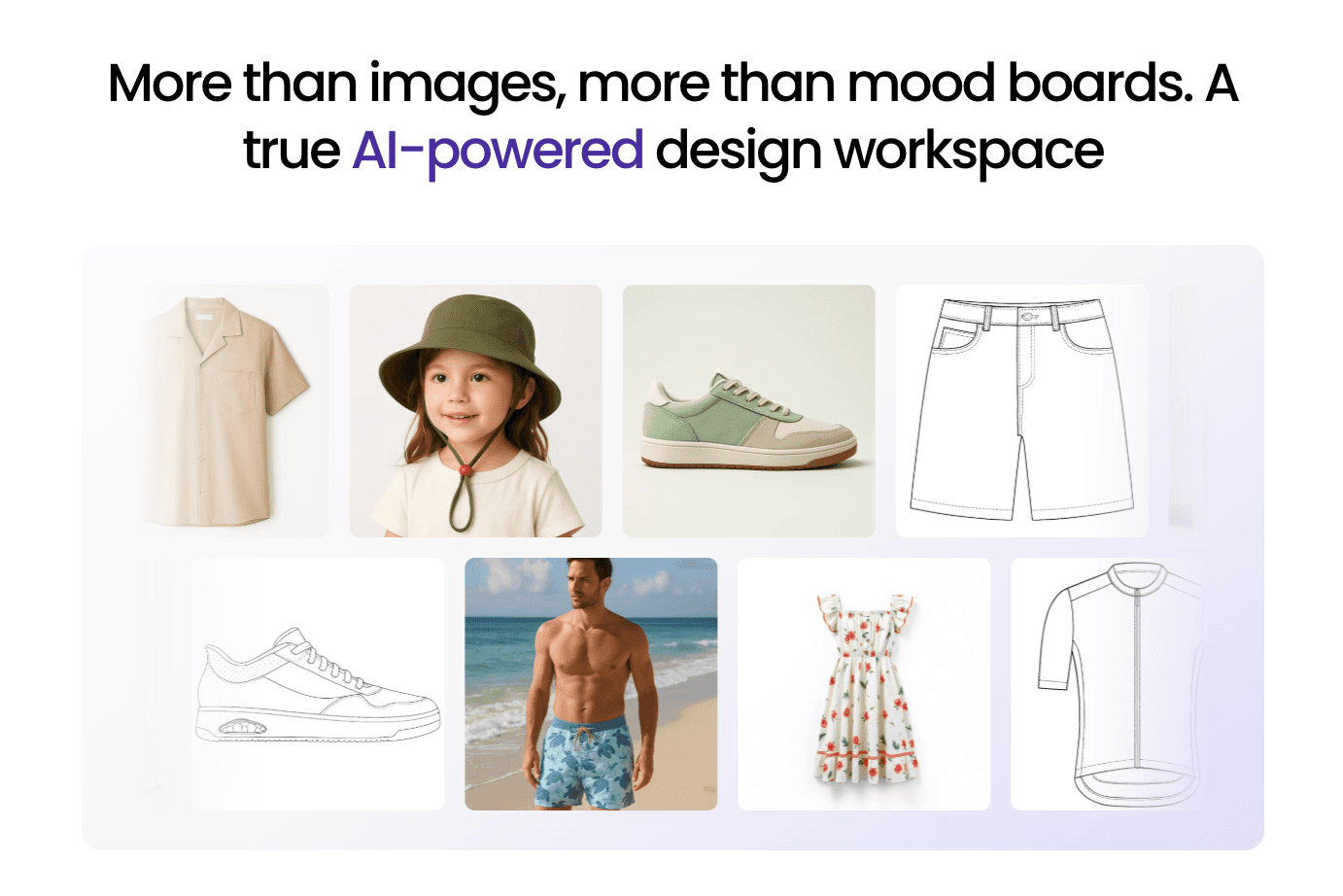
Successful clothing design depends on creative judgment, technical knowledge, and a process that keeps ideas connected as they move toward production.
Onbrand supports both sides of that work. Onbrand AI Design gives designers space to explore and refine visual concepts, while Onbrand PLM carries approved products into tech packs, sampling, approvals, and vendor collaboration.
FAQs About Clothing Design
Do you need to know how to sew to become a clothing designer?
No. Sewing isn't a requirement, but it does give you a helpful advantage. Many clothing designers focus on creating concepts and refining designs while relying on pattern makers and sample makers to build the first prototypes.
Learning a few basic sewing skills and understanding paper patterns can make it easier to see how garments are constructed and why certain design choices work.
Can you design your own clothing without professional experience?
Yes. Many designers begin by sketching ideas, studying existing garments, and making simple prototypes. With regular practice, you can develop the skills needed to create your own clothing before moving on to more advanced projects.
Can a clothing design be used for bulk production?
Yes. Once a clothing design is approved and supported by complete production specifications, it can be manufactured at scale. This process is commonly used to fulfill a bulk order for retailers, distributors, or organizations.
Can one clothing design be adapted for group orders?
Yes. A single clothing design can be adapted for group orders, such as uniforms, team apparel, or branded merchandise. Designers may adjust colors, sizes, or logos while keeping the overall design consistent.
Do clothing designers also create artwork for print designs?
Sometimes. Clothing designers may create graphics or placement guides for print designs, but the final artwork is often refined by graphic, print, or textile designers before manufacturing.