Apr 14, 2026
Fashion brands often start comparing Silk PLM competitors when their product development workflow no longer fits how teams operate.
Pressure builds as collections expand and teams manage more SKUs, revisions, materials, and vendor communication simultaneously. The current system starts to fall out of sync with how work moves day to day.
At that point, teams look for alternatives that better support their business needs and keep development work aligned.
In this guide, you’ll find five Silk PLM alternatives used by fashion teams today, how they differ, and where each one fits based on how your team manages product data, revisions, and vendors.
TL;DR
These are the best Silk PLM competitors for fashion brands in 2026:
Backbone PLM
Centric Software
WFX PLM
DeSL
What Is Silk PLM?
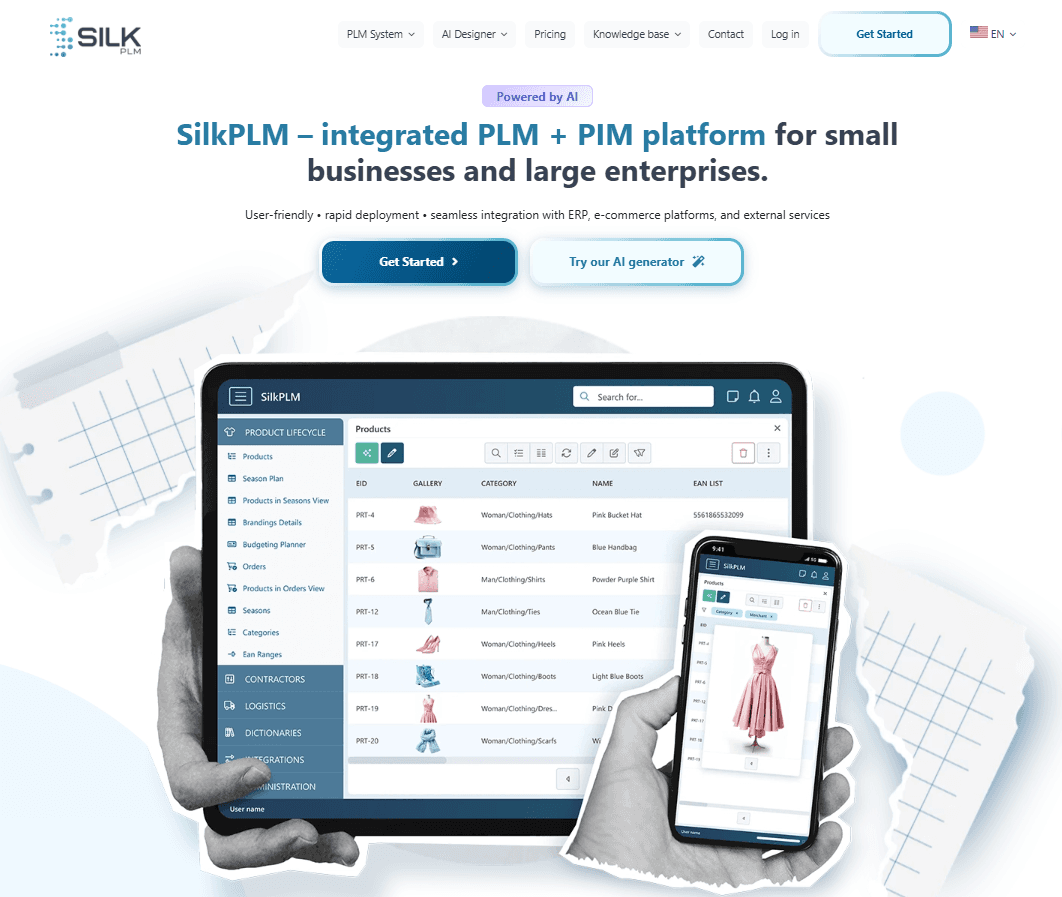
Source: silkplm.com
Silk PLM is a product lifecycle management (PLM) system built for fashion and retail teams.
The software is designed to manage product data, support development workflows, and keep product records organized from fashion design through production.
Silk PLM to manage tech packs, materials, costing, and supplier information in one place. It connects product, sourcing, and logistics work, so different users operate from the same set of data throughout development.
The system includes modules for product management, purchasing, and logistics, along with tools that support supplier coordination and cost tracking.
Silk PLM is built for organizations that manage multiple products and need structured workflows to keep development consistent. It supports both smaller teams and larger operations that handle high product volumes.
It runs as a cloud-based system that users access through a web interface, where the website verifies user access before loading the system.
The platform supports role-based access and standard security controls for product data. It is positioned as a SaaS system that teams can use from any device and location.
Why Fashion Brands Look for SilkPLM Alternatives
Pressure in fashion product development shows up in daily work once collections grow and timelines tighten. Teams start reviewing SilkPLM alternatives when the system no longer fits how work moves.
These are the points where teams often start to question whether their current setup still fits:
Version control during sample rounds - Updates to tech packs do not always carry through to every stakeholder, which leads to rework and delays.
Product data split between tools - Teams still rely on spreadsheets, emails, and external files, which breaks alignment between tech packs, bills of materials (BOMs), and vendor updates.
Vendor communication outside the system - Suppliers work through separate channels, which makes feedback harder to track and slows approvals.
Workflows that slow changes - Adjustments require extra steps, which adds friction when timelines are tight.
Setup and adoption time - Teams look for software designed to work quickly without long onboarding or heavy configuration.
Each of these issues pushes teams to find a perfect fit that supports real development work, with tools providing better control over product data, revisions, and vendor coordination.
Top SilkPLM Alternatives: Best 5 Options in 2026
The list below is a compiled set of SilkPLM alternatives that support different workflows, so you can find a setup that fits your team without forcing extra steps into the process.
1. Onbrand PLM
Concept work moves fast, but it often slows down once tech packs, revisions, and vendor updates begin. That gap leads to rework, version confusion, and delays during development.
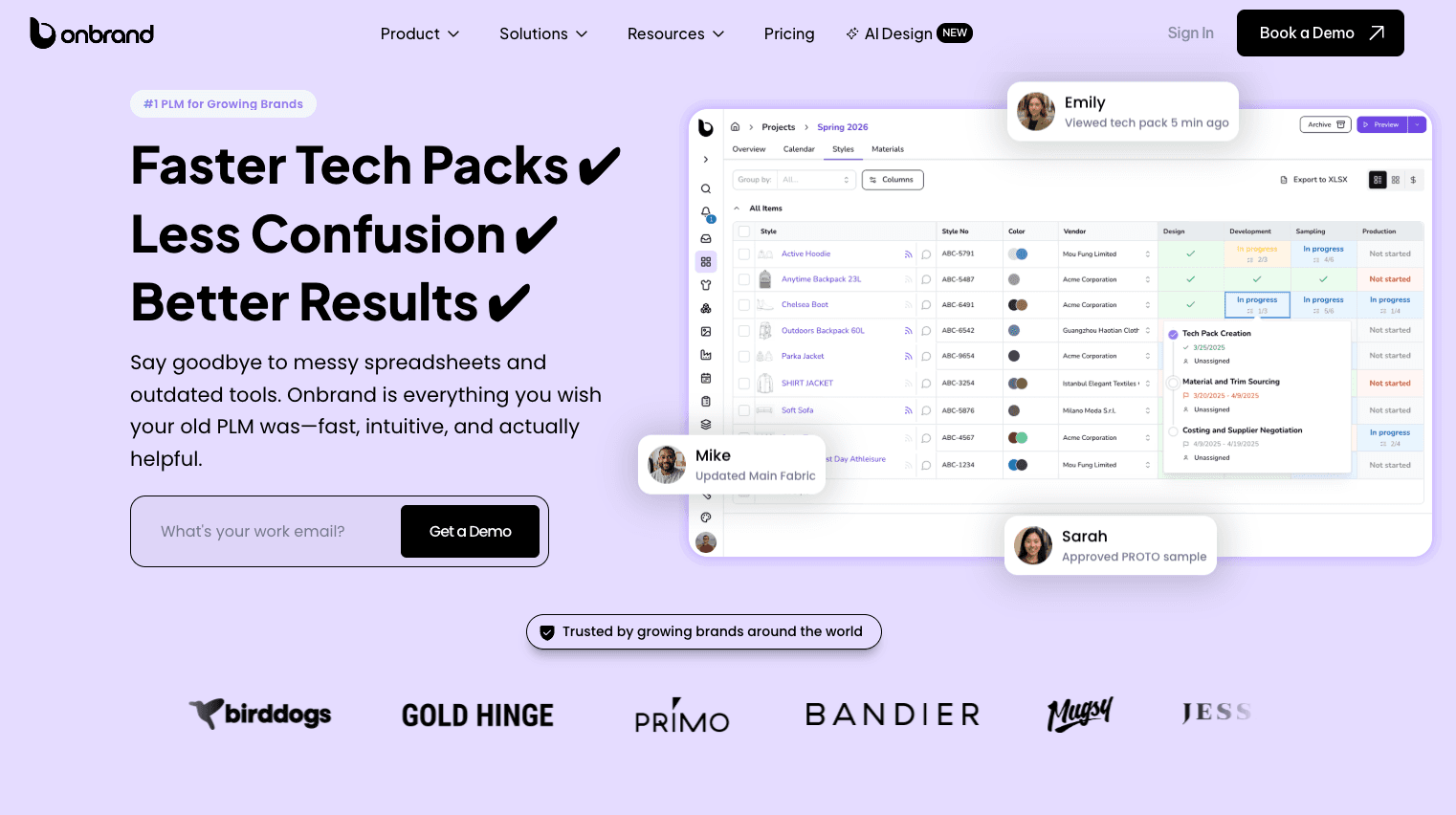
Onbrand PLM was developed to keep everything connected. Teams can generate concepts, refine styles, and move directly into production without rebuilding files or managing disconnected tools once designs are created.
Onbrand also includes Onbrand AI Design in the same system. Design outputs connect directly to product records and tech packs, so teams can move from concept to development without extra steps or file handoffs.
Compared to Silk PLM, Onbrand gives stronger control over how designs move into development. Product data, revisions, and vendor updates stay aligned, which reduces back-and-forth and keeps teams working from the latest version.
Teams using Onbrand report up to 55% faster tech pack creation, four-week reductions in development timelines, and onboarding in as little as two to four weeks, which helps teams start working without long setup cycles.
Key Features
AI design workspace linked to fashion PLM, so concepts turn into working product records without rework
Real-time design iteration with color, silhouette, and variation testing before sampling
Live tech packs that update instantly, removing version confusion during development
Centralized BOM, materials, and product libraries for consistent product data
Vendor collaboration inside the system, with feedback tied directly to the tech pack
Built-in workflow tracking with stages, approvals, and timelines for each style
Fast onboarding and data migration support, so teams start working without a long setup
Teams switch when design and development stay connected. Onbrand keeps product data, revisions, and collaboration in one workspace, which reduces delays and keeps teams aligned from concept through production.
See how your team can move from concept to production in one system. Book a demo today.
2. Backbone PLM
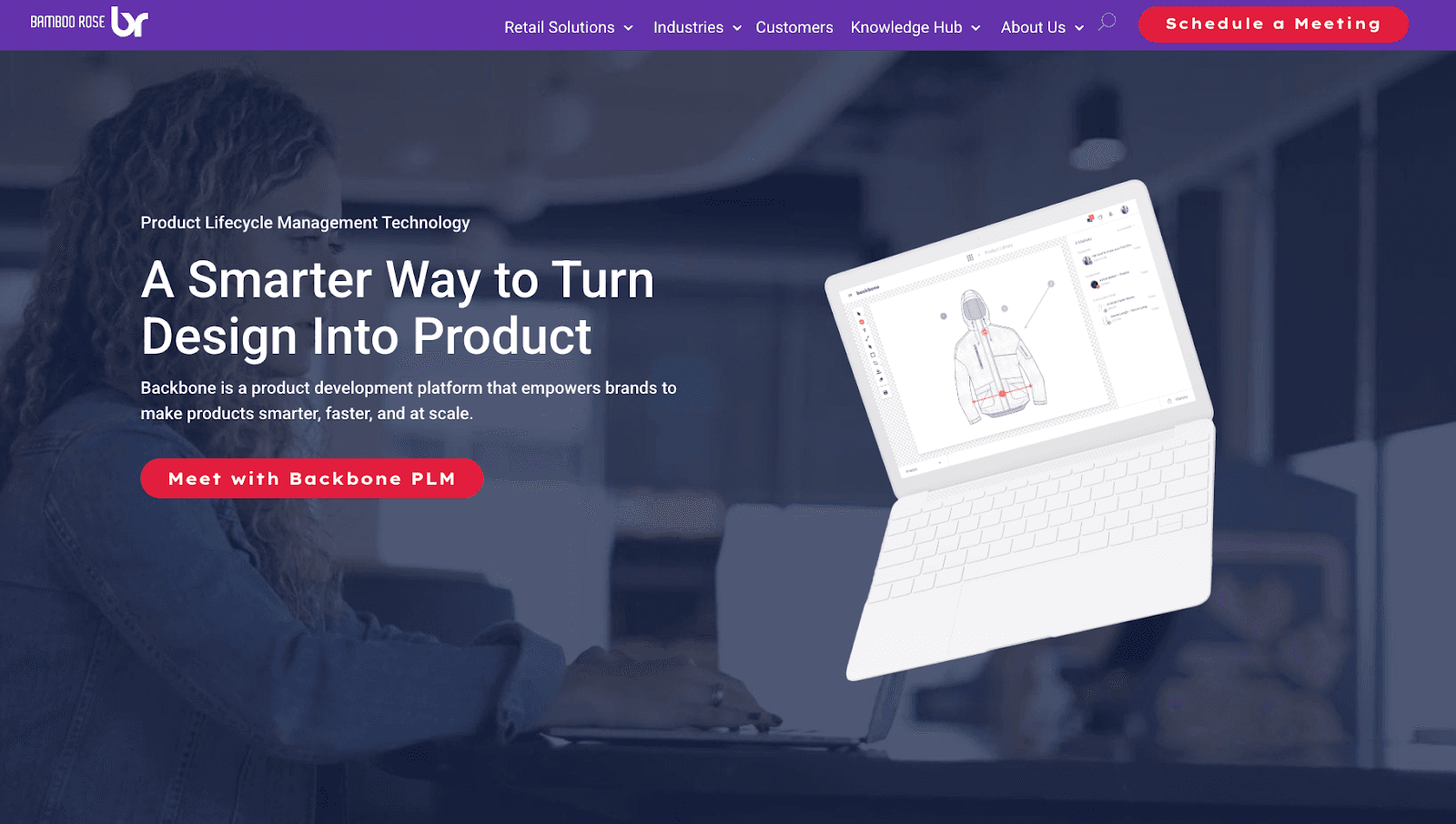
Source: bamboorose.com/backbone
Backbone PLM focuses on giving growing fashion teams a clearer way to manage product data without heavy setup. It brings tech packs, materials, and product records into one place, so updates are easier to follow during development.
Many teams use it when spreadsheets and shared files start to break down. Product information stays connected, which reduces time spent tracking changes or fixing mismatches between versions.
Backbone is a suitable alternative to Silk PLM for teams that want a lighter system with a more direct setup. It gives enough structure to manage product development, while keeping the workflow simple and easy to adopt.
Key Features
Tech pack templates with live sharing links for faster updates
Centralized libraries for BOM, materials, and product data
Sample tracking tied to each style for better visibility
Adobe Illustrator plugin to push designs directly into the system
Custom fields that update product data in all records
3. Centric Software
Source: centricsoftware.com
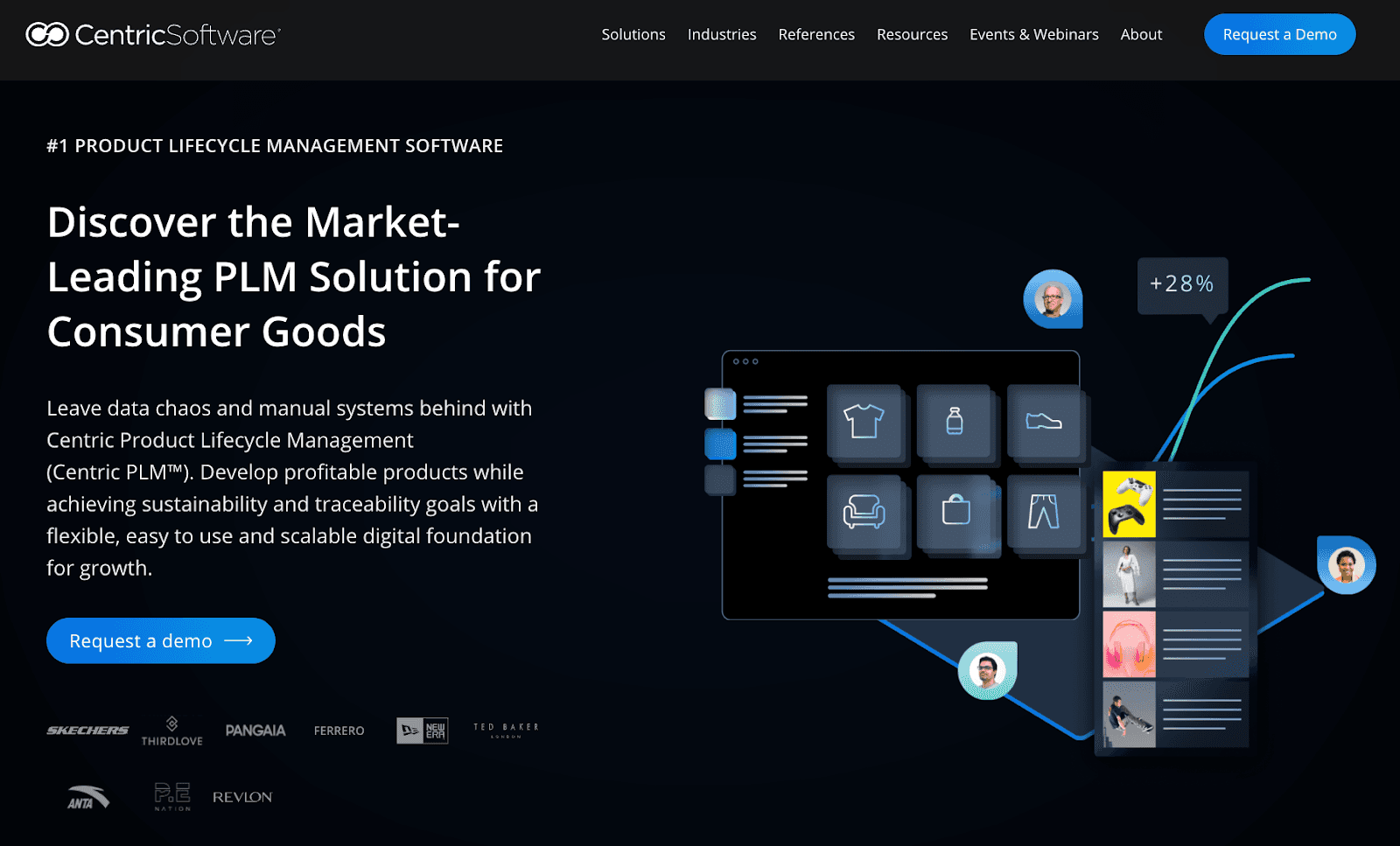
Large fashion organizations often need more structure to manage multiple teams, product lines, and suppliers. Centric Software is built for that level of complexity, with tools that support detailed workflows from concept through commercialization.
Teams use it to keep product data, approvals, and planning aligned between departments. The system connects merchandising, development, and sourcing, so decisions follow a consistent process at scale.
Compared to Silk PLM, Centric fits enterprise teams that need deeper system control, broader functionality, and stronger performance and security at scale.
Key Features
Advanced workflow configuration for multi-team product development
Detailed product data management with full lifecycle visibility
Global supplier coordination with centralized communication
Compliance and audit tracking for structured approval processes
Scalable architecture built for large product volumes
4. WFX PLM
Source: worldfashionexchange.com
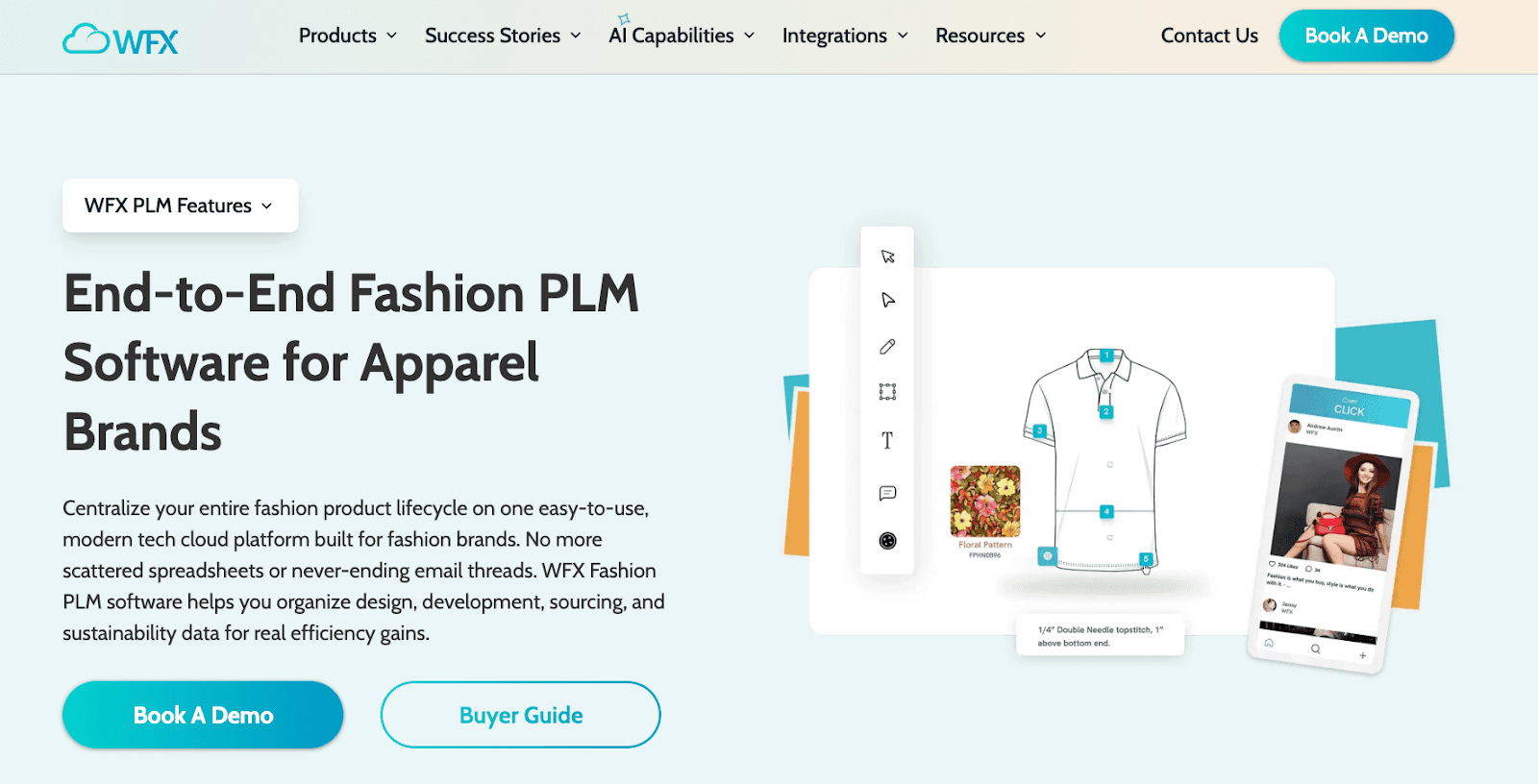
WFX PLM is a fashion-focused PLM system built to connect product development with sourcing and production. It helps teams manage design, development, and vendor workflows in a single workflow, with a strong focus on visibility during manufacturing.
Brands working with multiple suppliers use it to follow production stages, approvals, and delivery timelines without relying on scattered updates. Vendor interactions stay tied to the product record, which improves visibility during manufacturing.
WFX is a suitable alternative to Silk PLM for teams that want more visibility into sourcing and production, especially when managing distributed supply chains.
Key Features
A vendor portal that connects suppliers directly to product data and updates
Production tracking with visibility into stages, approvals, and timelines
Digital tech packs with customizable templates and measurement sheets
Material sourcing and pricing visibility tied to each product
Real-time dashboards to track progress, vendor performance, and delivery
5. DeSL
Source: desl.net
DeSL brings product development and planning into the same system, which helps teams manage both what to build and how it performs. It covers design, sourcing, merchandising, and delivery in one connected workflow.
Brands that rely on structured planning often use it to keep product data, purchasing, and quality processes aligned. Teams can manage timelines, costs, and supplier activity without switching between separate tools.
Compared to Silk PLM, DeSL includes planning, compliance, and supply chain tools within the same system. That setup works well for teams that want product development and planning handled together instead of in separate tools.
Key Features
Integrated planning tools that connect merchandising and product development
Centralized product data with full lifecycle visibility
Supplier management with traceability and compliance tracking
Digital color approvals and quality control workflows
Purchase order and delivery tracking tied to each product
When Silk PLM No Longer Fits, Onbrand PLM Is the Way to Go
Fashion teams start looking for Silk PLM alternatives when product data, revisions, and vendor updates stop moving cleanly through the workflow.
Each system in this list solves a different part of that problem. Some focus on a simpler setup, while others support large teams, production tracking, or planning.
The decision comes down to how your team handles development today and where delays or waiting time show up most often.
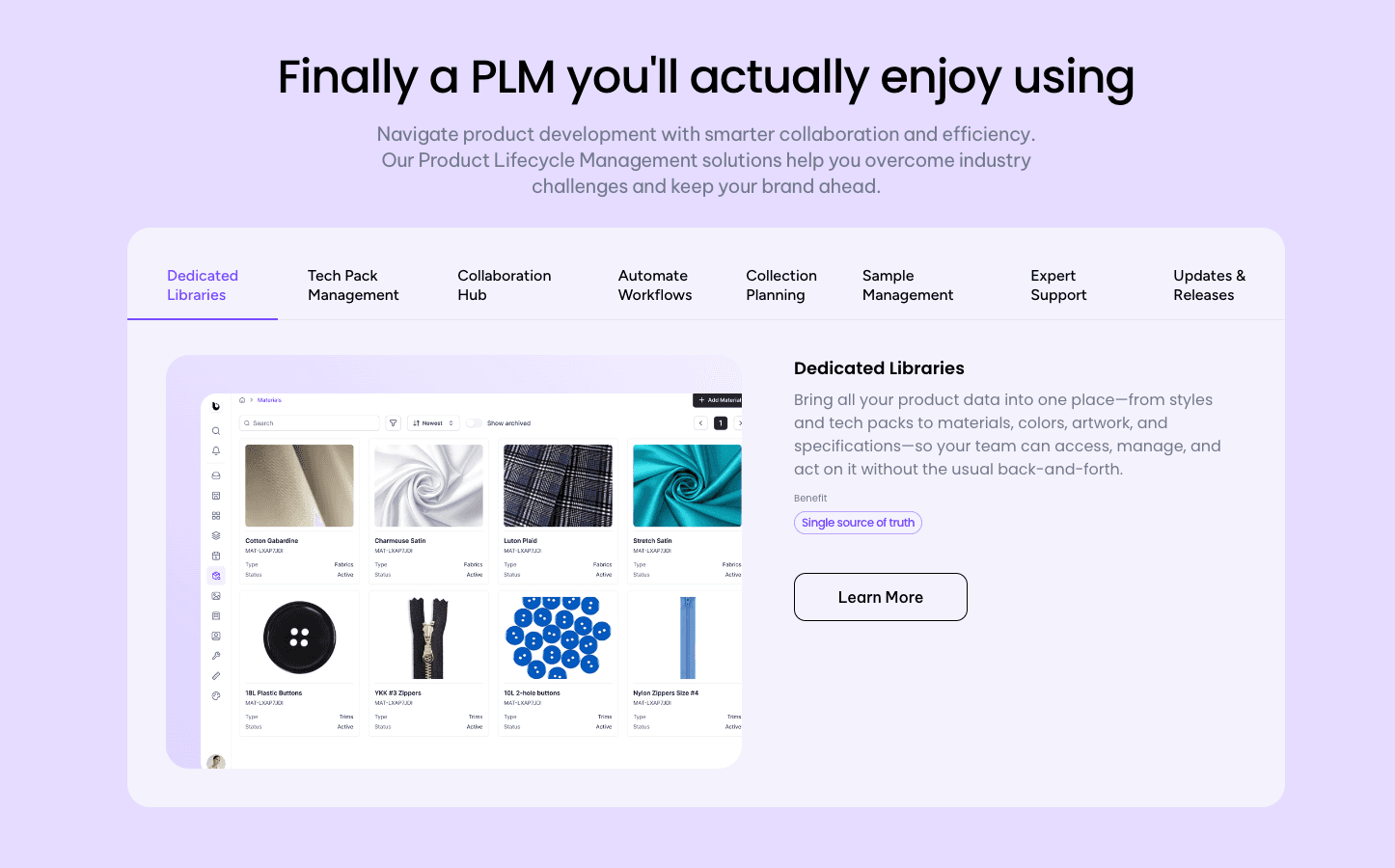
Onbrand PLM stands out for teams that want design and development connected in one system. Concepts, tech packs, and revisions stay aligned, which reduces rework and keeps product data consistent from first idea through production.
FAQs About Silk PLM Competitors
What makes a good Silk PLM alternative for growing fashion brands?
A good Silk PLM alternative for growing brands keeps product data, revisions, and vendor communication in one system. Onbrand PLM is a strong choice because it connects design and development without requiring multiple tools.
Which Silk PLM alternative is best for apparel teams?
For apparel teams that want design, tech packs, revisions, and vendor collaboration in one system, Onbrand PLM is one of the strongest fits. It supports the full product development workflow, from concept and design to tech packs, revisions, and vendor collaboration, which helps teams keep product data aligned throughout development.
What should fashion brands prioritize when switching PLM systems?
Fashion brands should prioritize product data structure, tech pack accuracy, version control, and vendor collaboration when switching PLM systems. A system like Onbrand PLM helps keep these areas connected, which reduces errors, speeds up development, and keeps teams aligned from design through production.
What does it mean when a website is performing security verification?
When the verification page is displayed, it means the website uses a security service to protect against malicious bots and ensure safe access. This page is displayed while the website checks your request and may show a response ray ID during the process. Once the verification is successful, access continues normally as the site uses a security service to protect its content.