Aug 20, 2026
Clothing design websites help fashion brands move from idea to production with greater structure and speed.
Today, they include AI fashion design tools, graphic design platforms, 3D garment visualization software, pattern-making systems, and PLM platforms that manage tech packs, product data, and collaboration throughout development.
Early-stage clothing brands may only need sketching or mockup tools. As collections grow, managing revisions, colorways, bills of materials (BOMs), and sample tracking becomes more complex. Disconnected files slow development and increase risk.
This guide breaks down 18 of the best clothing design websites in 2026, organized by use case, so you can choose the right tools for each stage of growth.
TL;DR
These are the 18 best clothing design websites fashion brands use in 2026:
Raspberry
Newarc
Canva
Procreate
Adobe Illustrator
CLO 3D
Browzwear (VStitcher)
Style3D
Onbrand PLM
Backbone PLM
Centric PLM
Printful
Printify
Custom Ink
TUKAcad
Optitex
Seamly2D
Why Clothing Design Websites Matter at Every Stage of Growth
Growth increases operational pressure, not just design output. Early collections may include a handful of styles, where revisions feel manageable, and vendor communication stays straightforward.
As the line expands, complexity compounds. Fifty styles require fifty tech packs. Ten colorways trigger ongoing updates to fabrics, trims, and the bill of materials.
Each sample round introduces another layer of revision history, and production calendars begin to rely on precise measurements and consistent documentation.
At that point, file-based workflows slow down decisions and create unnecessary risk. Structured systems protect product data, maintain specification accuracy, and keep development aligned from concept through production.
That progression explains why clothing design websites now divide into distinct categories, from early concept tools to platforms built for production control.
18 Clothing Design Websites Organized by Use Case
Clothing design websites span concept exploration, technical development, and production management. The list below organizes all the tools by use case to show where each platform fits.
Clothing Design Websites for AI-Powered Concept Creation
AI-powered concept platforms have become an important part of modern clothing design websites. They use generative AI to generate silhouettes, refine garment details, explore colorways, and test creative directions before technical development begins.
Teams test variations before creating tech packs, setting measurements, or entering structured product data. This stage focuses on exploring multiple directions quickly while keeping production documentation separate.
Here are three tools brands use for AI-assisted concept creation.
1. Onbrand AI Design
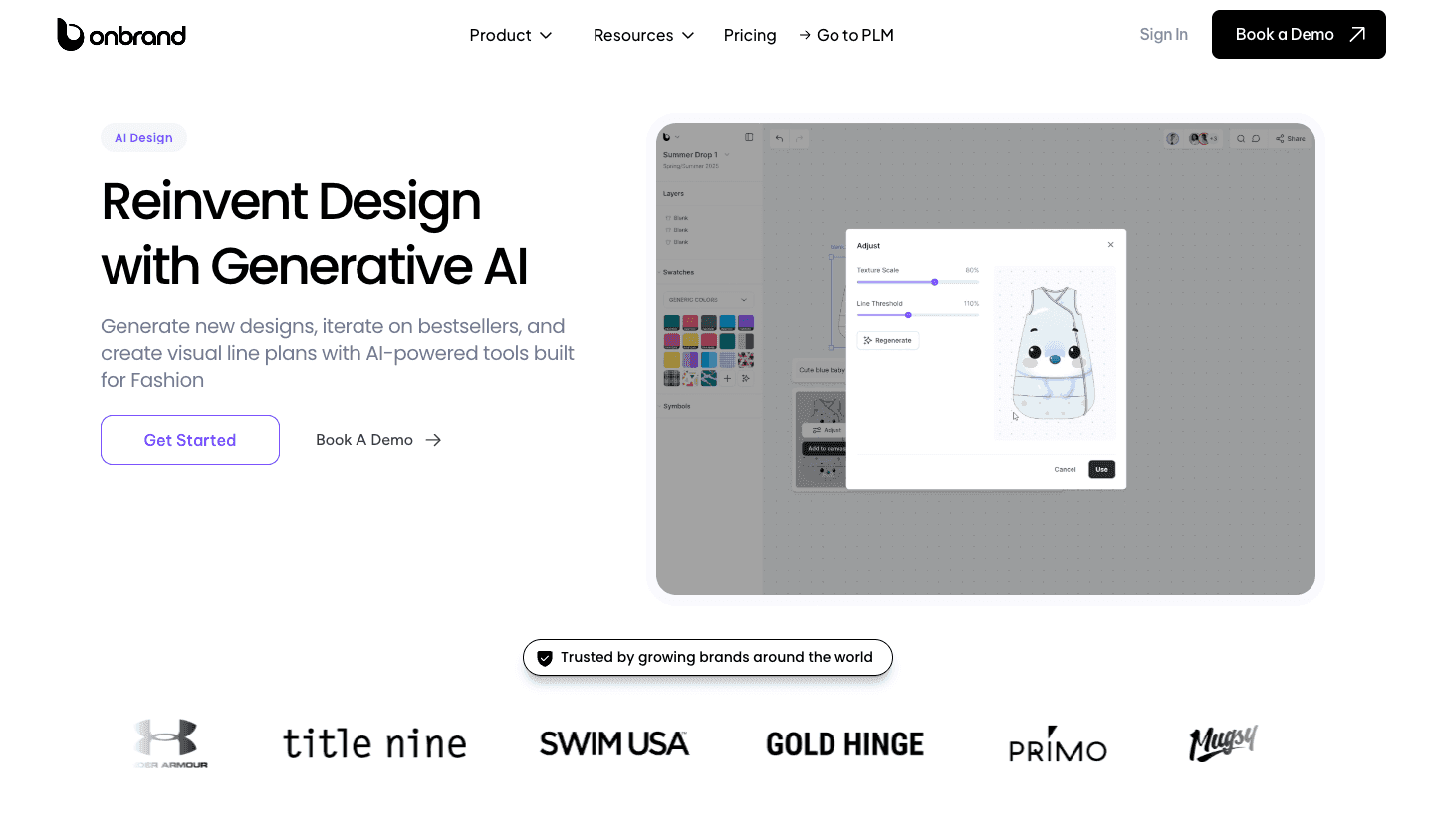
Onbrand AI Design supports AI-driven concept creation with production intent. Designers can use it to generate photoreal garment concepts from text prompts, reference images, or hand sketches, then expand those concepts into structured variations.
The platform supports automated color palette generation using Pantone and Coloro libraries, realistic fabric and texture simulation, and 3D garment visualization on virtual models.
Concepts convert into clean flats through automated technical sketch creation, which reduces redraw time before tech pack development. Layered design elements allow sleeves, trims, and graphics to be edited independently. Version history tracks changes and supports rollback when revisions need review.
Visual mood boards, shared canvases, and real-time co-editing keep feedback tied to the design file. Automated spec sheet generation prepares production-ready documentation.
With direct integration into Onbrand PLM, approved concepts transfer into structured product data without manual file handoff, maintaining a single source of truth.
Schedule a demo and see how the platform works.
2. Raspberry
Source: raspberry.ai
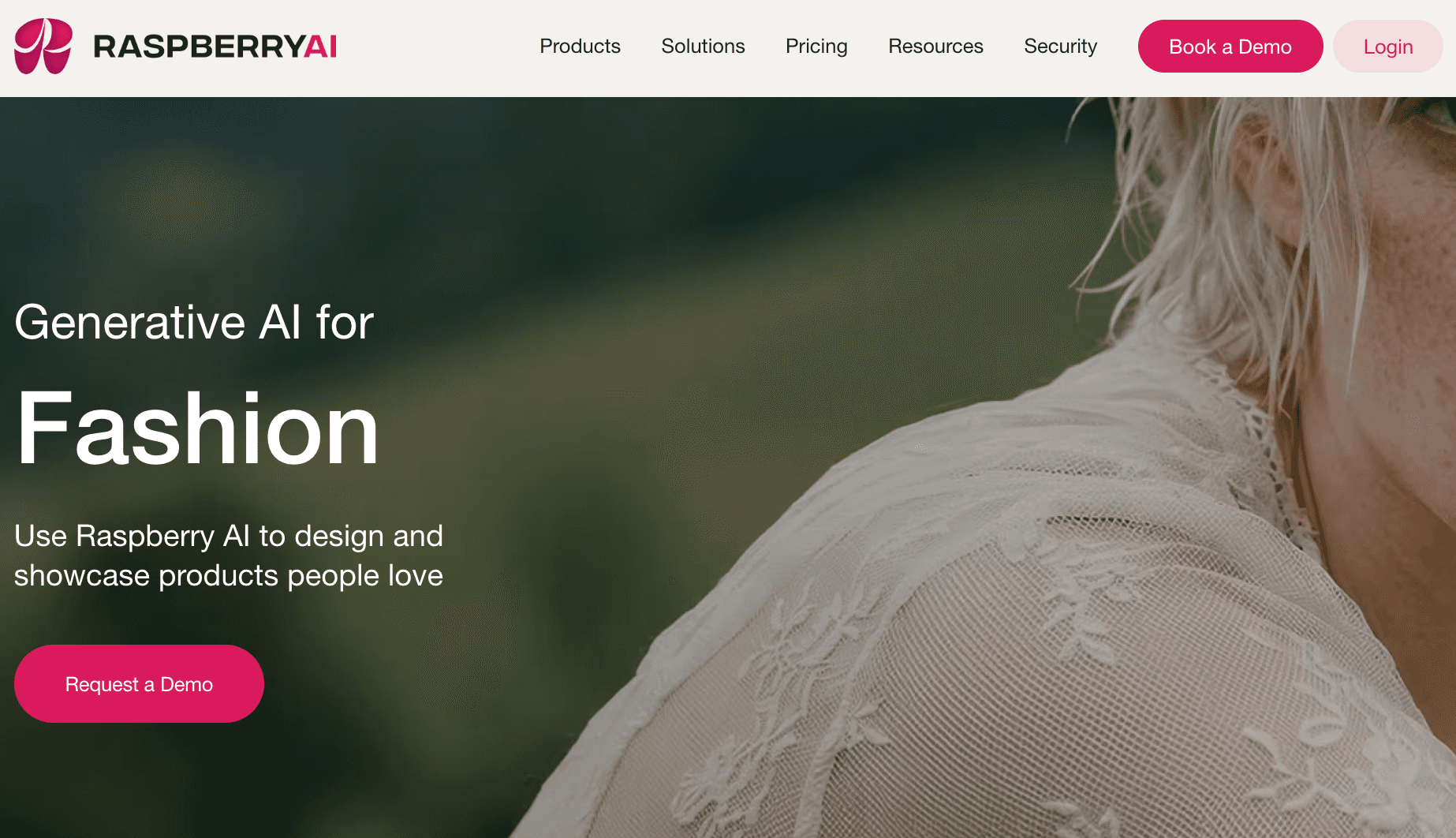
Raspberry is an AI-powered concept generation tool focused on apparel image creation.
Many use it to generate garment visuals from text prompts or reference photos, explore silhouette options, and test variations of the same design before moving into technical development.
It supports quick experimentation on existing designs, helping brands evaluate direction for dresses, jackets, or outerwear without producing physical samples.
Raspberry centers on visual ideation rather than tech pack creation or structured production workflows, making it suited to early-stage concept development.
3. Newarc
Source: newarc.ai
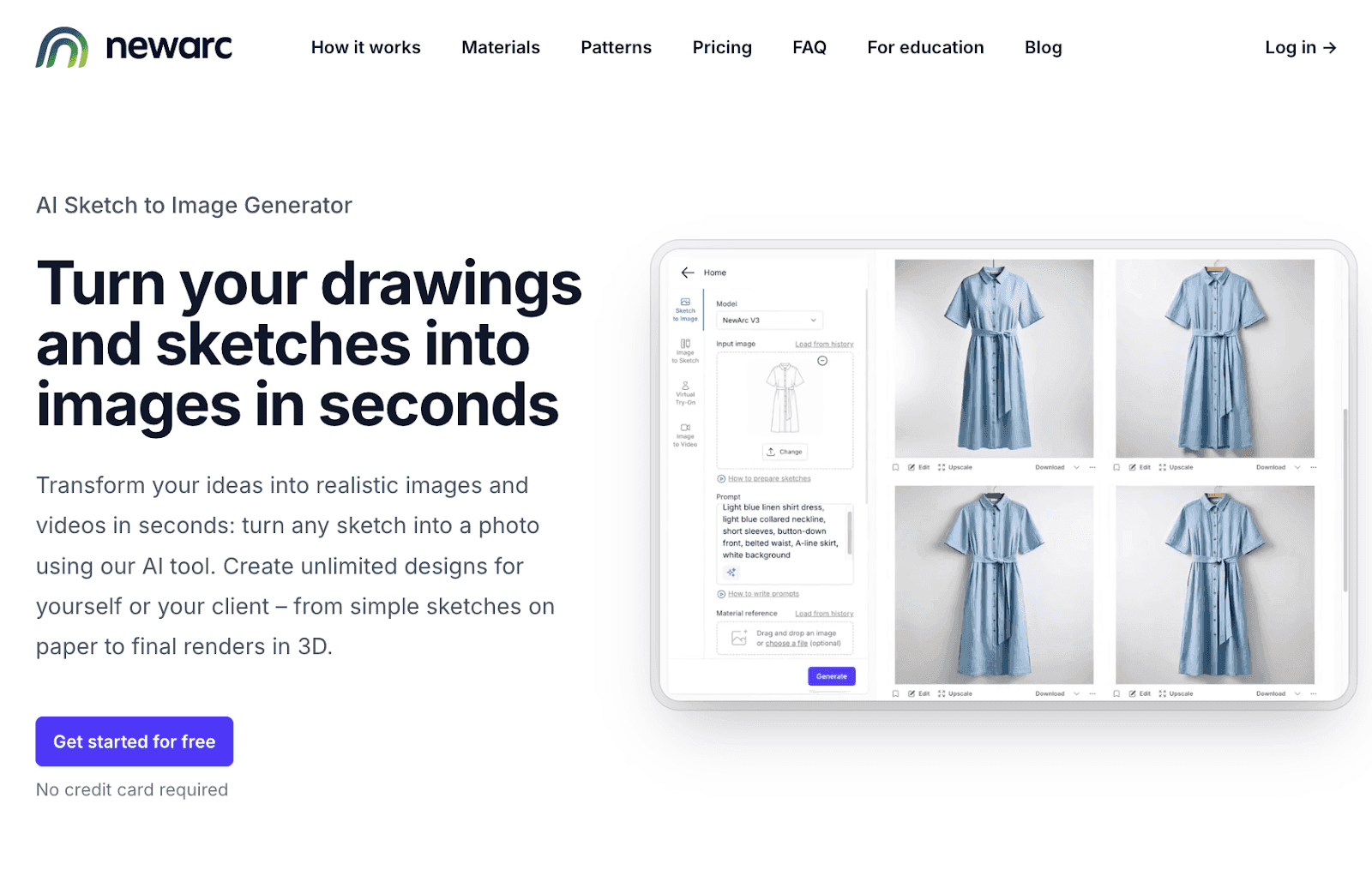
Newarc focuses on sketch-based AI design for fashion. Rough drawings or reference images convert into refined garment visuals within seconds, which helps validate direction before technical flats or tech packs are created.
The platform supports fast visual iteration, allowing multiple silhouette and detail variations without redrawing each option manually. It is commonly used during early concept development when direction needs validation before technical drawings or tech packs are created.
Newarc centers on visual output rather than structured product data or production documentation.
Graphic & Visual Clothing Design Websites to Design Clothes Online
Graphic and visual clothing design websites focus on flat sketches, print layouts, and early mockups.
Brands use them to create original designs, test artwork placement, and prepare visual concepts before technical development begins. These tools support tasks like logo positioning on t-shirts, layout previews for hoodies, or preparing graphics for branded apparel.
They are often used during early collection planning or when developing capsule drops, promotional pieces, or small-batch releases where clear visual communication is required before tech packs are finalized.
4. Canva
Source: canva.com
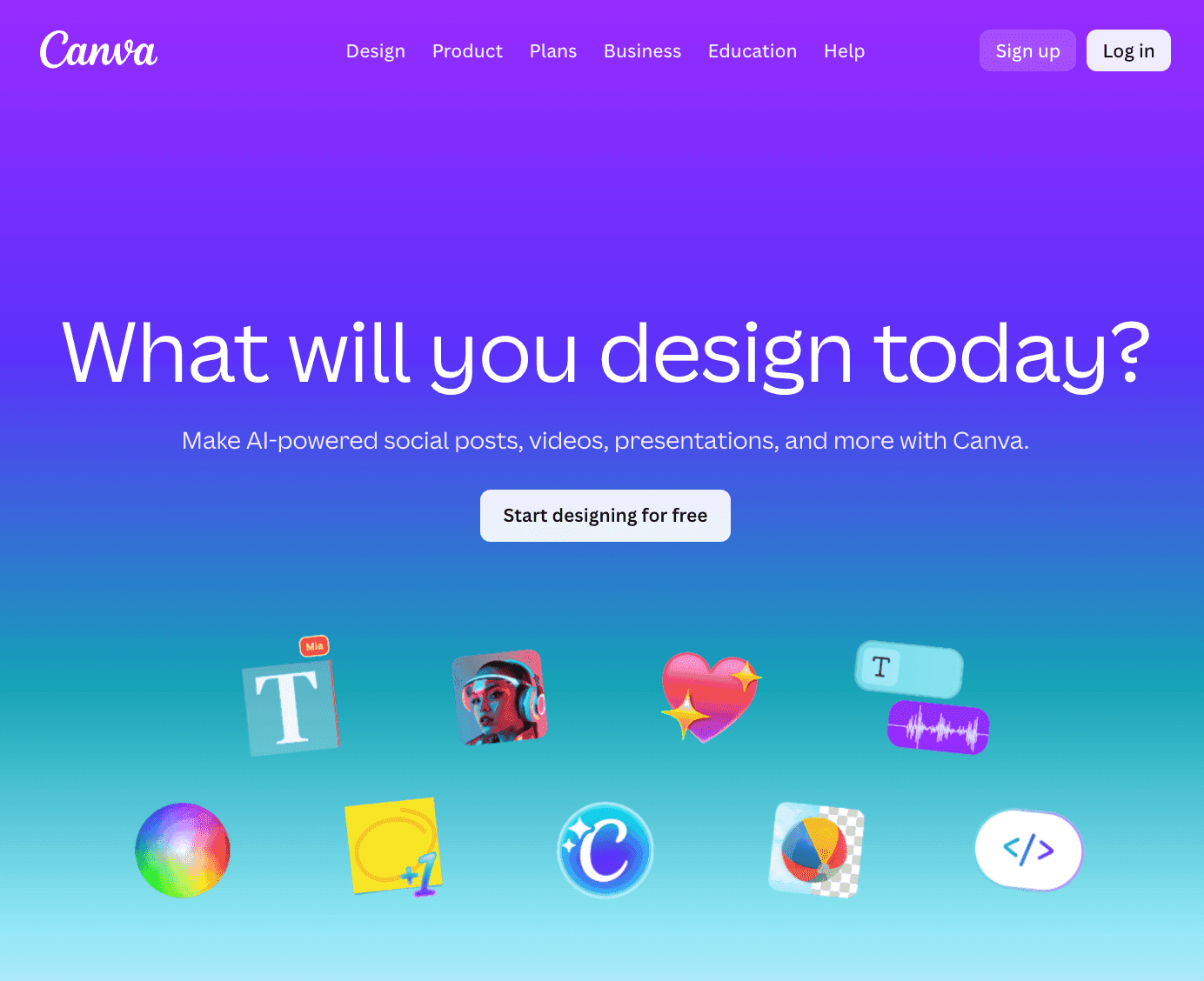
Canva is a browser-based design platform used to design clothes online through template-driven layouts and mockups.
It allows brands and creators to upload their own designs, adjust logo placement, and prepare visuals for custom clothing, such as t-shirts, hoodies, or promotional products. The interface supports easy editing, drag-and-drop artwork placement, and export-ready files for print vendors.
Canva is typically used during early visual development when brands need quick mockups for presentations, social previews, or initial concept validation before technical drawings or structured development begin.
5. Procreate
Source: procreate.com
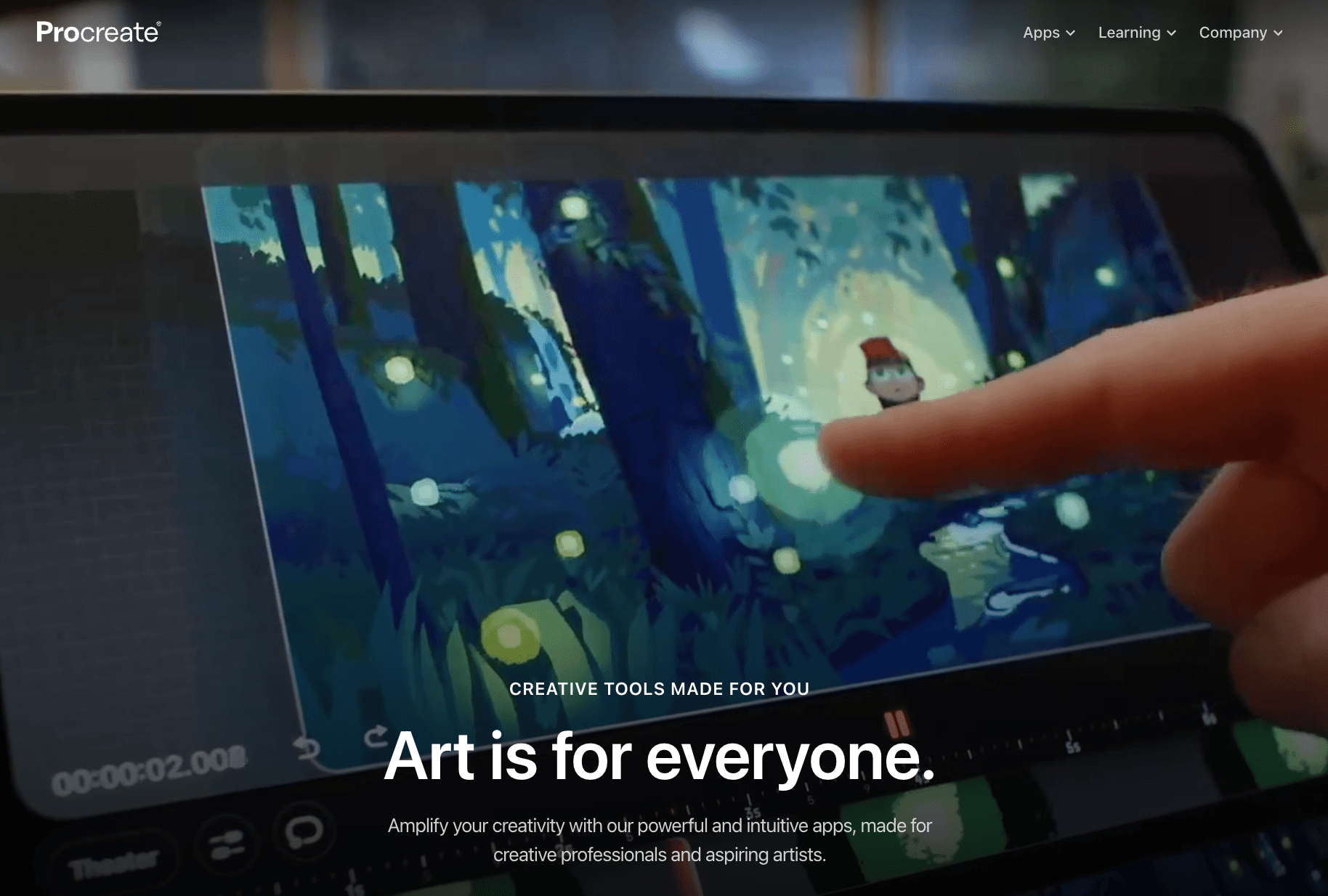
Procreate is a tablet-based illustration app widely used for digital garment sketching.
Hand-drawn concepts, surface prints, and silhouette refinements can be developed directly on layered files before production documentation begins.
Procreate is commonly used to sketch dresses, pants, or accessories in a designer’s individual style, helping translate inspiration into clean digital visuals. Files can later be exported for further refinement in technical drawing software or integrated into structured product development workflows.
6. Adobe Illustrator
Source: adobe.com
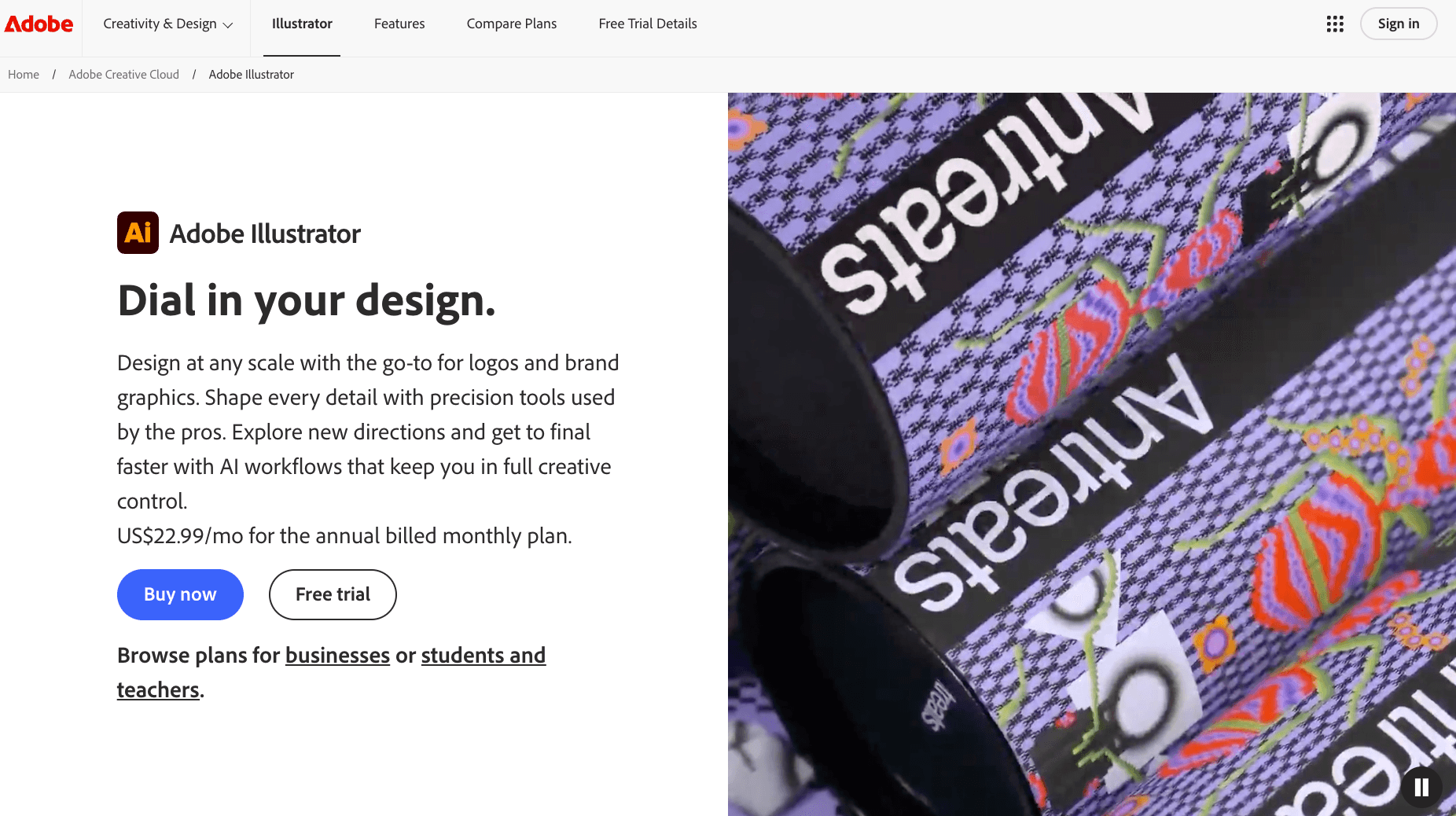
Adobe Illustrator is a vector-based design platform used for technical drawing, fashion flats, and production-ready line art. Precise garment outlines, construction details, and measurement-based illustrations are drafted in vector format for tech packs and vendor communication.
The software supports logo placement, print layout development, and scalable artwork preparation for categories such as dresses, jackets, and structured collections.
Illustrator remains a standard tool in apparel development because vector files maintain accuracy and precision when exported for patternmaking, tech pack documentation, or vendor production systems.
Clothing Design Websites for 3D Garment Visualization
These platforms support digital sampling and fit review before physical production begins. Designers build virtual garments using pattern data, test fabric behavior, and review proportions without cutting physical samples.
3D visualization helps reduce the number of early sampling rounds, review drapes on materials like polyester, and present concepts clearly to internal stakeholders or retail partners before production commitments are made.
7. CLO 3D
Source: clo3d.com
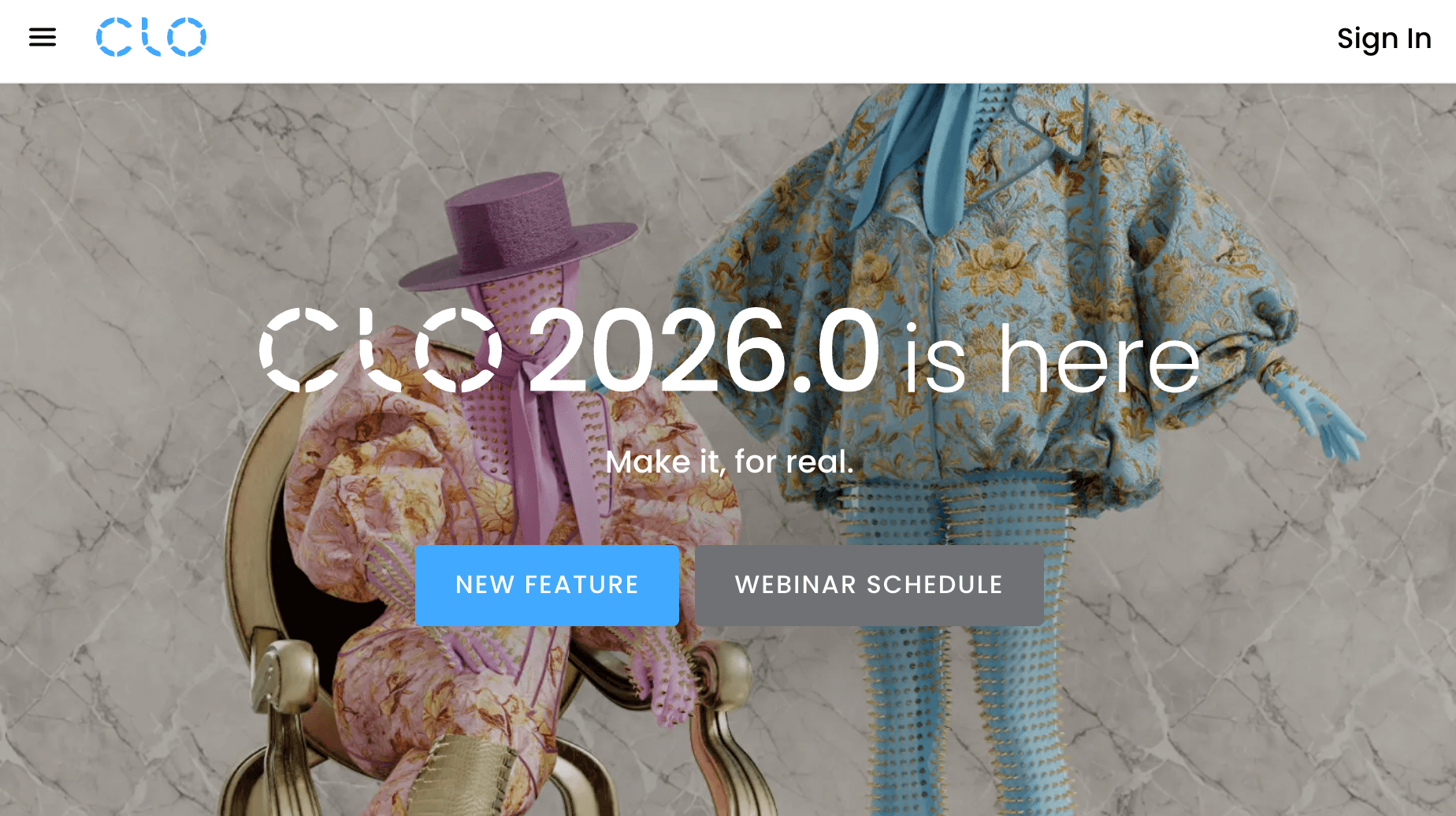
CLO 3D is a garment simulation platform used for digital prototyping and fit evaluation.
Patterns are imported, fabric properties are applied, and drape is simulated on virtual avatars before physical samples are cut.
The system supports detailed material testing, including stretch, weight, and surface texture, which helps assess construction before physical samples are produced.
CLO 3D is commonly used to visualize wardrobe collections, reduce upfront sampling costs, and review garments such as dresses, outerwear, or tailored pieces prior to factory development.
8. Browzwear (VStitcher)
Source: browzwear.com
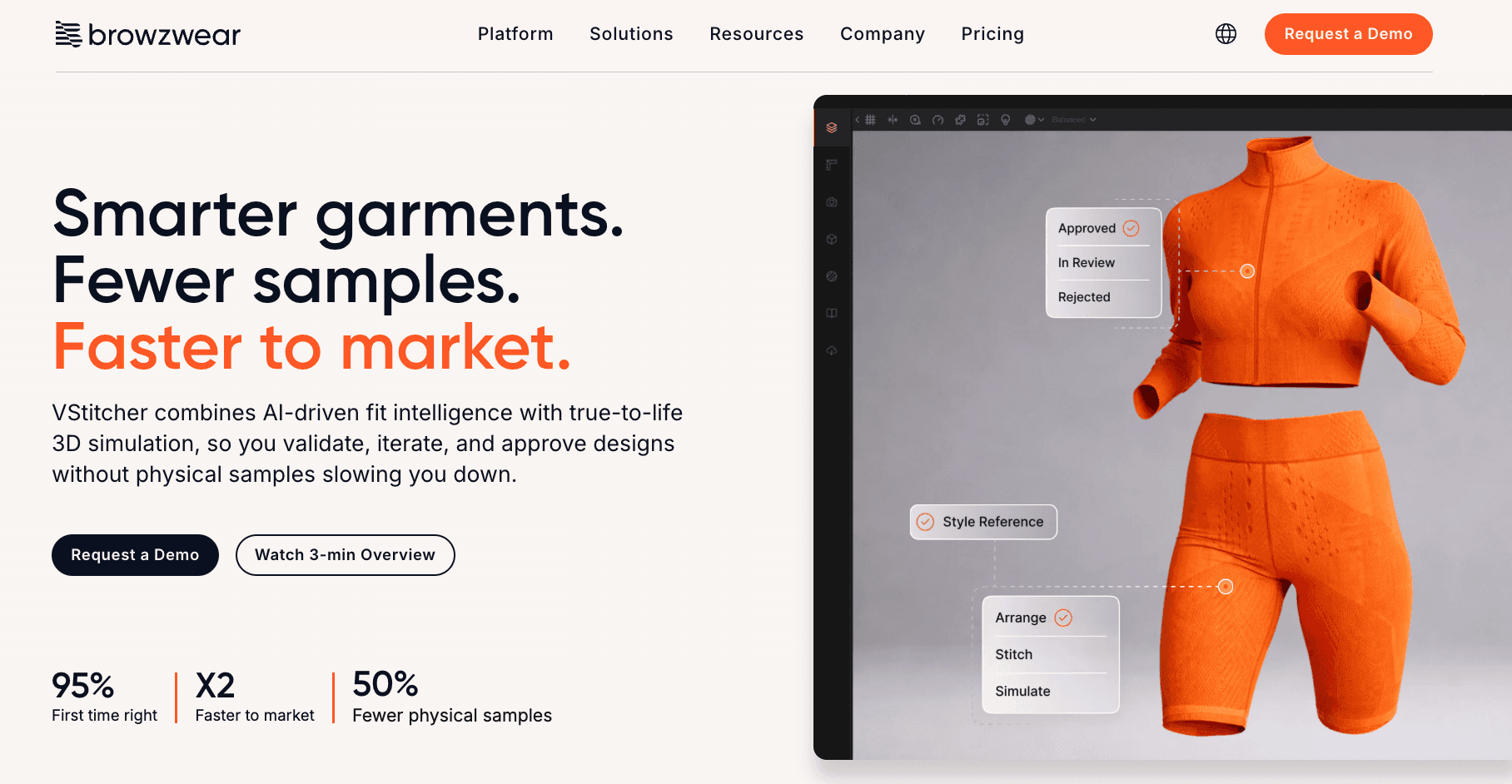
Browzwear’s VStitcher is a professional 3D apparel development platform that connects pattern data with realistic garment simulation. It integrates with CAD pattern systems and allows brands to evaluate fit, grading, and construction in a virtual environment.
Production teams use it to review sample accuracy before committing to bulk manufacturing or confirming minimum order quantity agreements.
The software supports collaboration between design and technical roles while maintaining alignment with production specifications and vendor requirements.
9. Style3D
Source: style3d.com
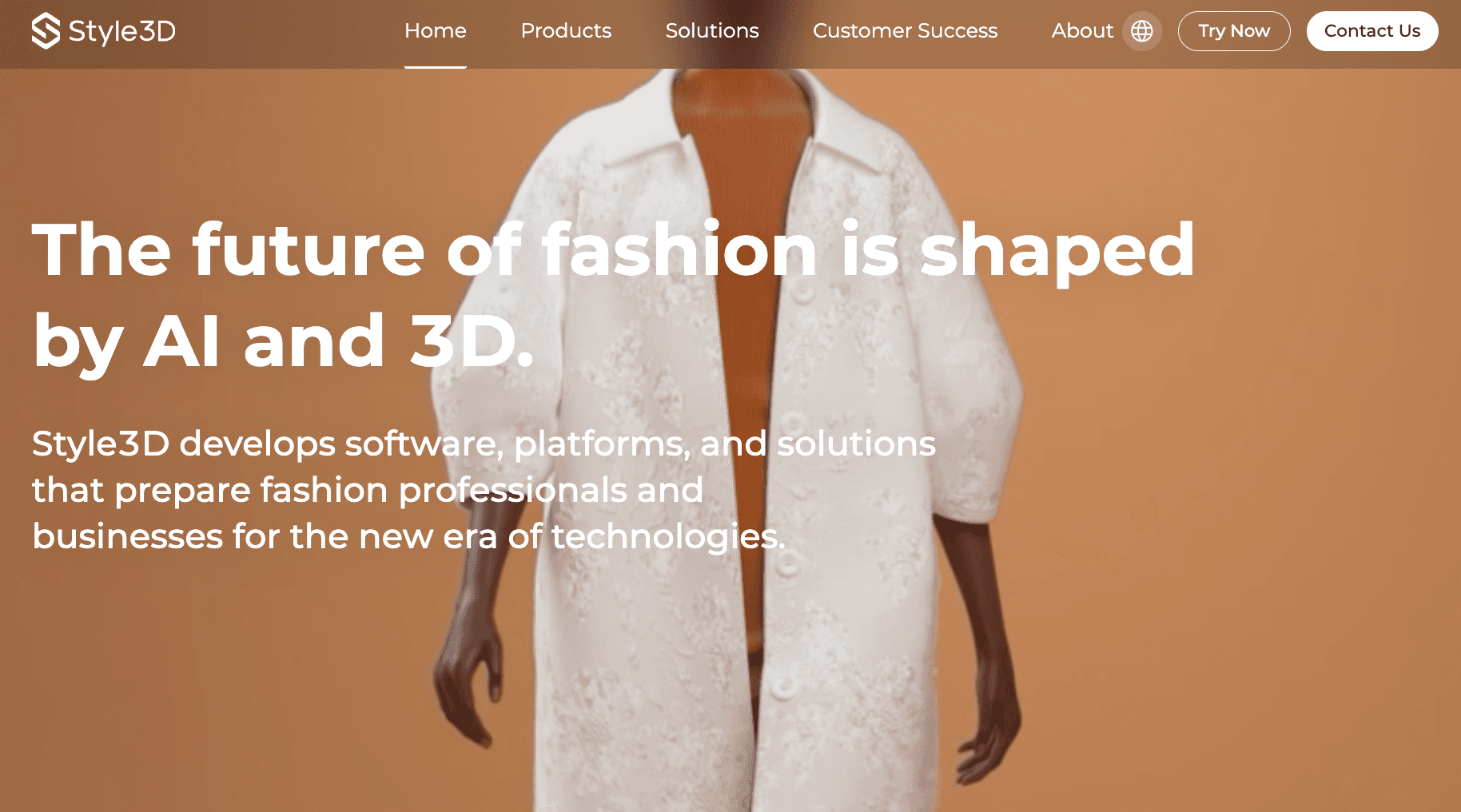
Style3D provides real-time garment rendering and virtual sampling tools for apparel brands.
It supports pattern-based modeling, digital material libraries, and avatar customization for presentation and review. Brands use Style3D to create showroom visuals, prepare e-commerce imagery, and evaluate garments prior to physical sampling.
The platform is often used when collections need high-quality visualization for buyers, retail partners, or customers before production and shipping timelines are finalized.
Clothing Design Websites for Tech Packs & Specification Management
When collections move into production, design files are no longer enough. Brands need structured product data, controlled tech packs, and accurate BOM tracking.
These platforms manage revisions, sample updates, measurements, and vendor communication in one system. Instead of static files, development lives inside structured workflows that support approvals, sourcing, and production timelines.
10. Onbrand PLM
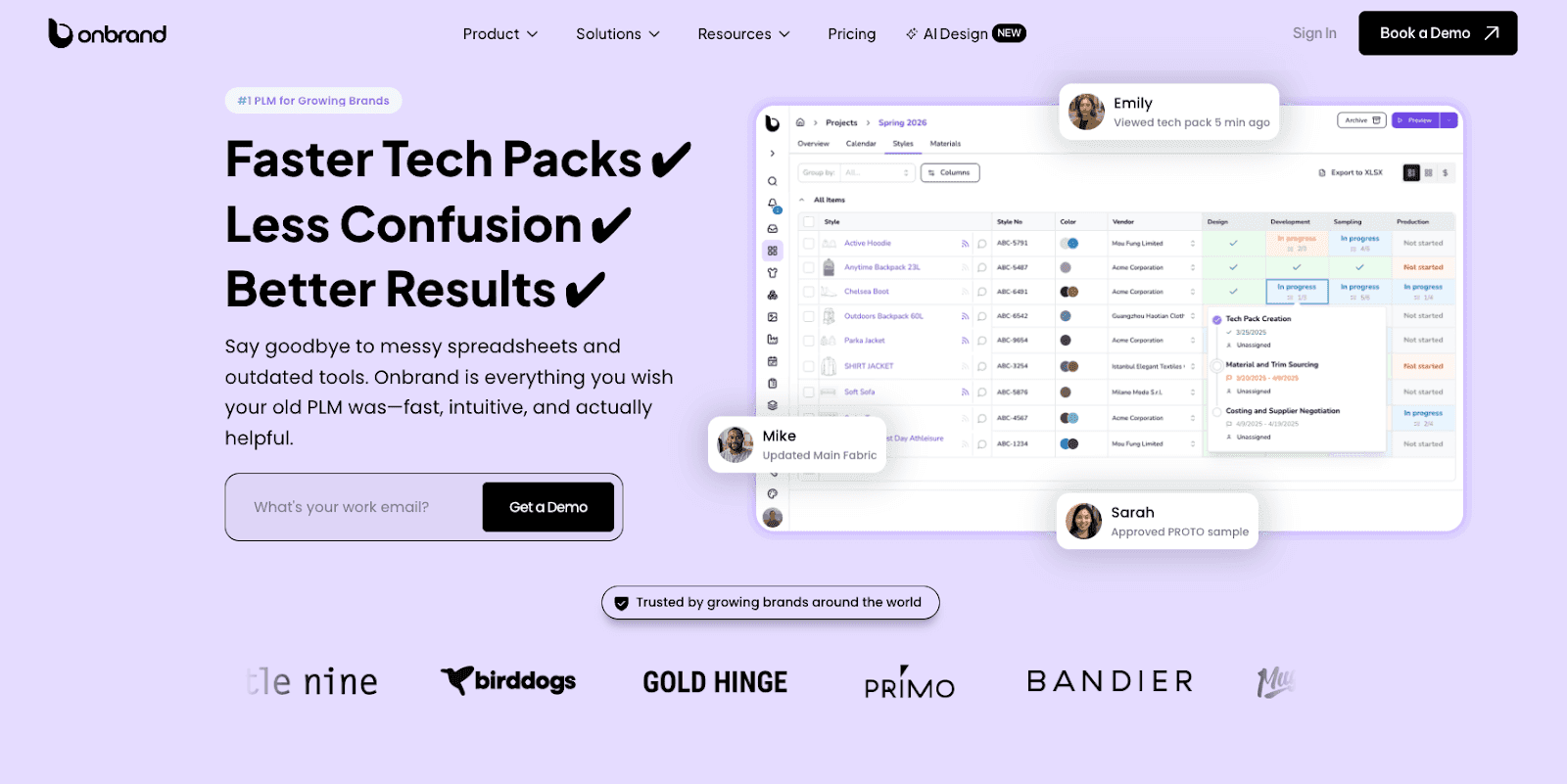
Onbrand PLM is built for growing fashion brands that need structured specification management without the delays common in legacy systems. It centralizes live, web-based tech packs, BOMs tracking, colorway control, and sample status in one workspace.
Brands report 55% faster tech pack creation and up to 4 weeks removed from development timelines. Average onboarding takes 2–4 weeks, with many implementations completed in as little as 10 days. Data migration is supported directly to reduce internal lift during transition.
Tech packs are web-based, not exported PDFs, so everyone works from the current version. Project stages, approvals, and vendor communication live inside the system.
Onbrand PLM connects directly to Onbrand AI Design to move approved concepts into structured product documentation.
11. Backbone PLM
Source: backboneplm.com
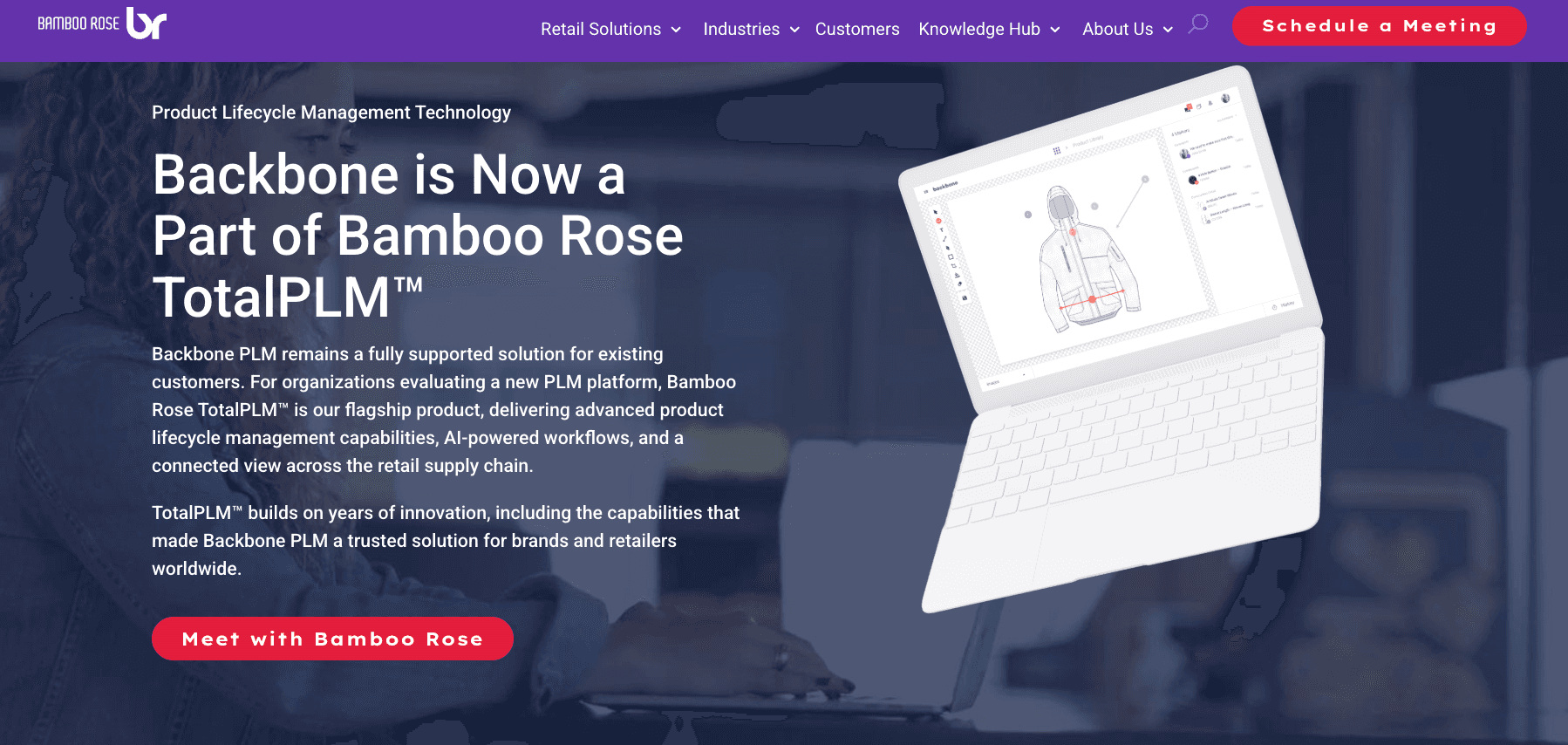
Backbone PLM is an apparel-focused platform designed to manage product data, tech packs, and material libraries in one system.
Brands use it to organize styles, track development status, and maintain visibility into sourcing details. The software includes essential features like line sheet management and basic workflow tracking for growing companies that need structure beyond spreadsheets.
Backbone is typically adopted by small to mid-sized brands looking for centralized documentation during development, though advanced customization often requires configuration support.
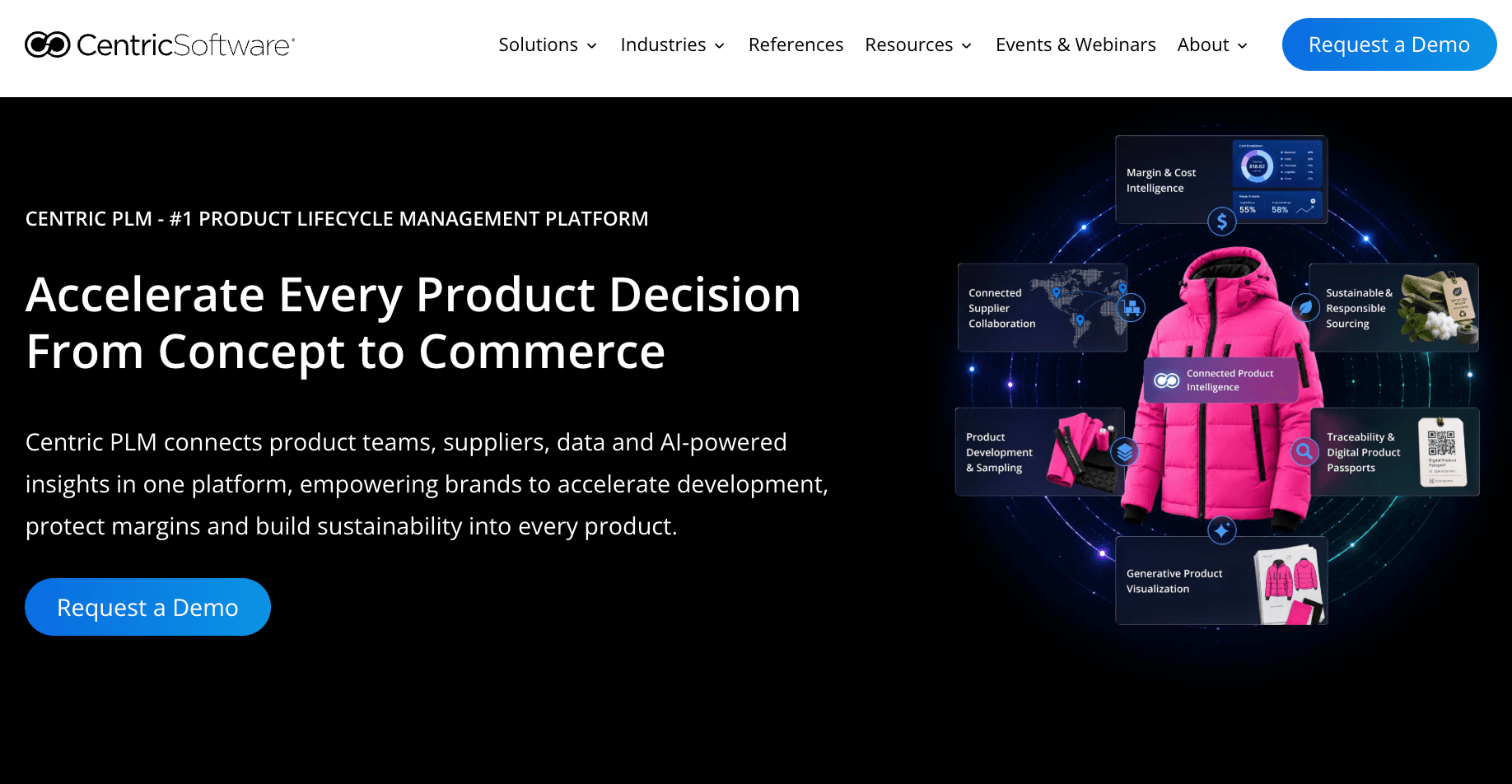
12. Centric PLM
Source: centricsoftware.com
Centric PLM is an enterprise-level fashion PLM platform used by large global brands.
It supports detailed specification control, sourcing management, and structured collaboration between design, merchandising, and production roles. The system connects product development data with planning and global vendor networks.
Centric is often implemented with professional services and customized workflows, which can extend onboarding timelines. It is commonly selected by complex organizations managing multiple categories and international supply chains.
Clothing Design Websites for Custom Apparel & Print-on-Demand
These platforms support direct-to-consumer selling without factory management. Brands use them to launch their own clothes, fulfill small runs, and test product ideas without bulk inventory.
They are commonly used for merchandise drops, team uniforms, or limited collections tied to campaigns and events where speed and low upfront costs are priorities.
13. Printful

Source: printful.com
Printful is a print-on-demand fulfillment platform that connects product mockups with e-commerce stores. Brands upload their own designs, create product previews, and sell custom clothes such as polo shirts, hats, or basic apparel without holding inventory.
Orders are produced only after purchase, which reduces upfront costs and removes bulk production risk. Printful handles printing methods, including direct-to-garment and embroidery, and then manages fulfillment, packaging, and shipping directly to customers.
It is typically used for online shops, capsule drops, or merchandise programs rather than structured fashion product development.
14. Printify
Source: printify.com
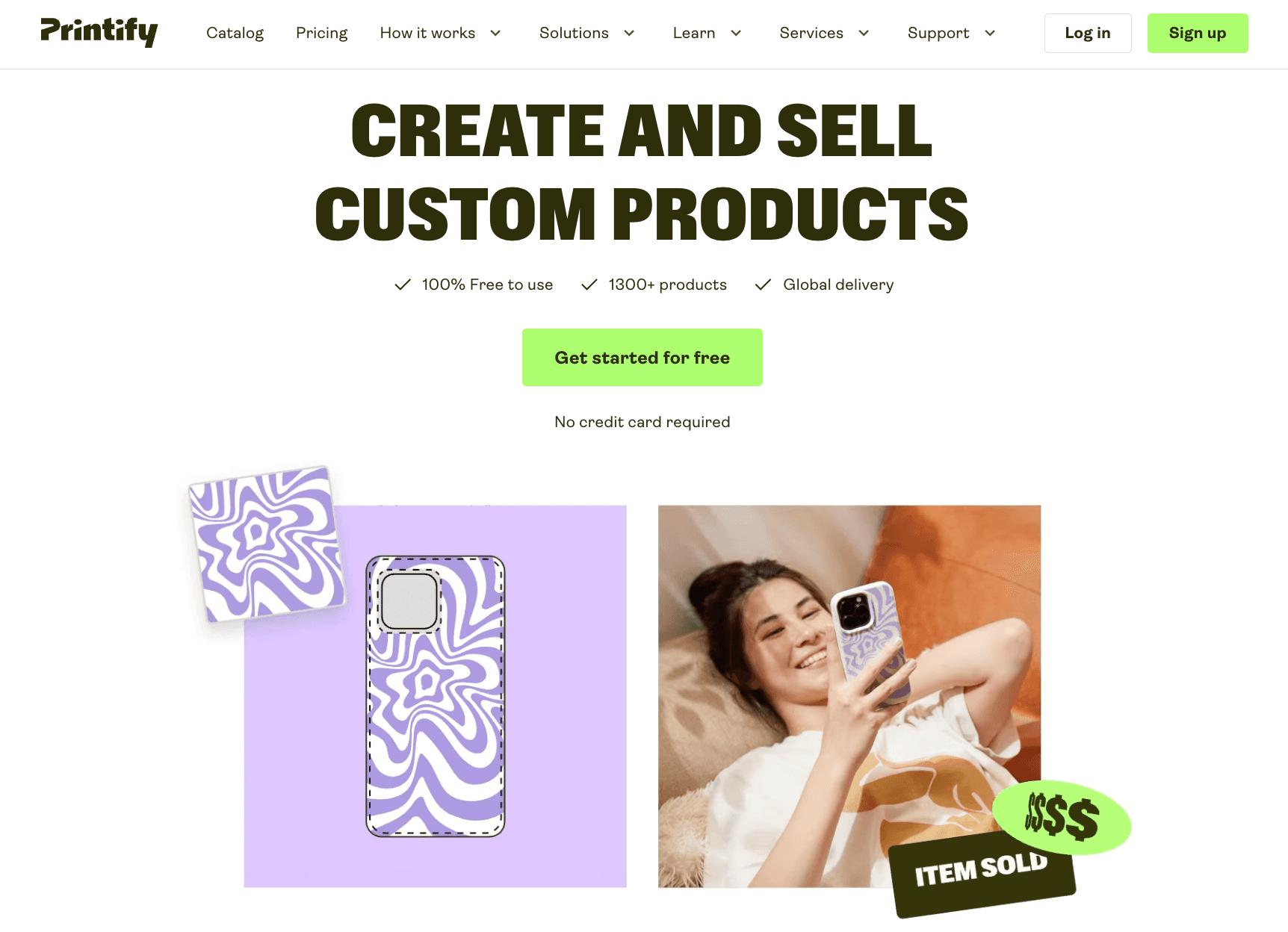
Printify is a print-on-demand marketplace that connects brands with third-party suppliers. Users select base garments or accessories, upload designs, and customize placement before listing products in their online shop.
It supports categories including apparel and items such as backpacks, allowing brands to test ideas without committing to minimum order quantities. Production and shipping are managed by supplier partners.
Printify is generally used for early-stage ecommerce brands or event-based merchandise rather than managing complex seasonal collections.
15. Custom Ink
Source: customink.com
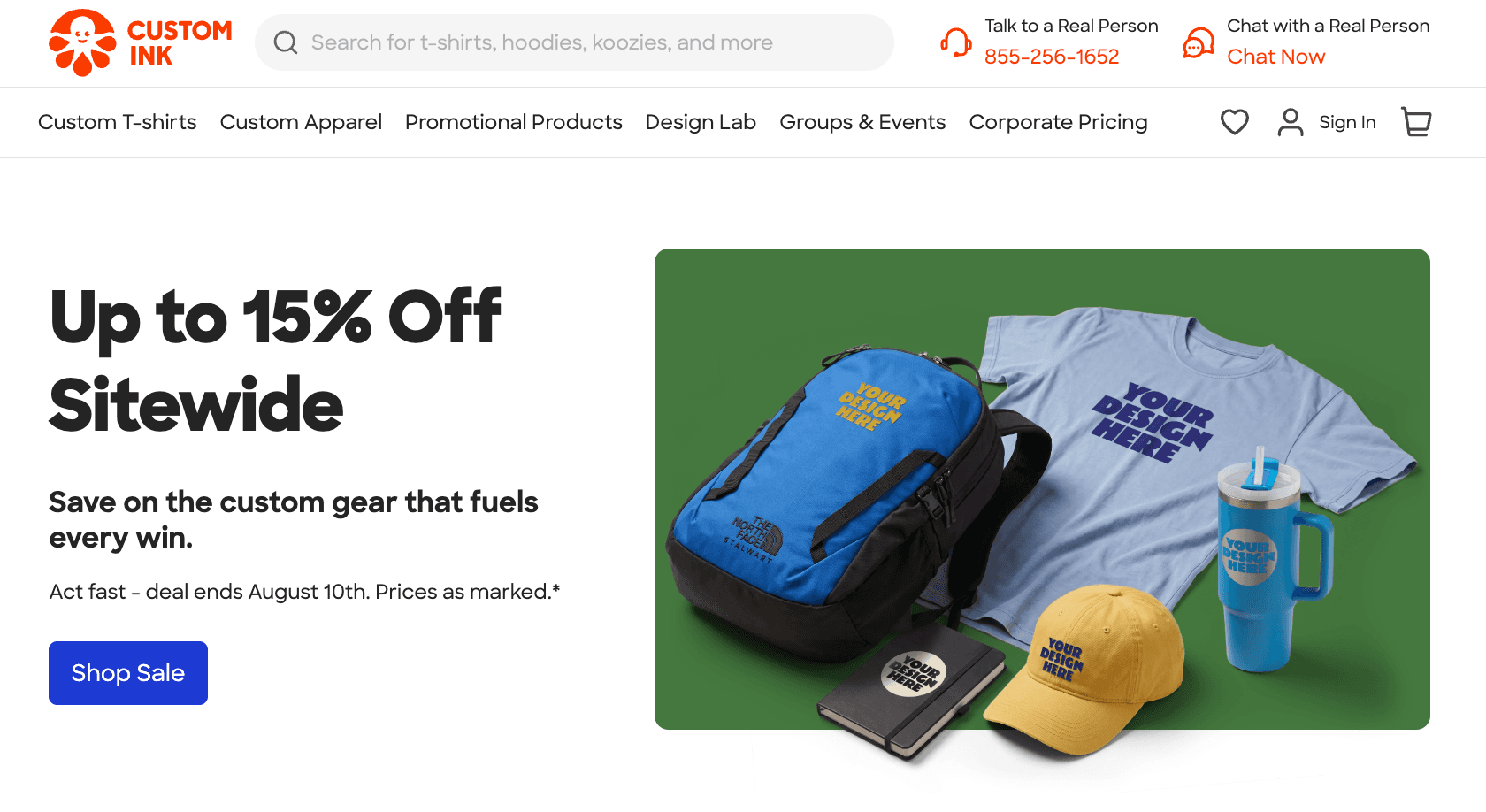
Custom Ink is a custom apparel platform designed for coordinated group orders and bulk purchases. Organizations use it to design and purchase team uniforms, branded shirts, or apparel for special occasions such as corporate events or fundraisers.
The online design tool allows artwork placement previews before submitting orders. Production is handled after approval, and quantities are typically ordered in bulk rather than produced individually.
Custom Ink focuses on organized event-based apparel rather than ongoing fashion product development workflows.
Clothing Design Websites for Pattern Making & Technical Design
Pattern software is used when garments move from visual design into measurable construction.
Technical designers draft blocks, apply grading rules, and prepare files factories use to cut and sew production pieces. Accuracy at this stage affects fit, material usage, and consistency throughout the full-size range.
16. TUKAcad
Source: tukatech.com
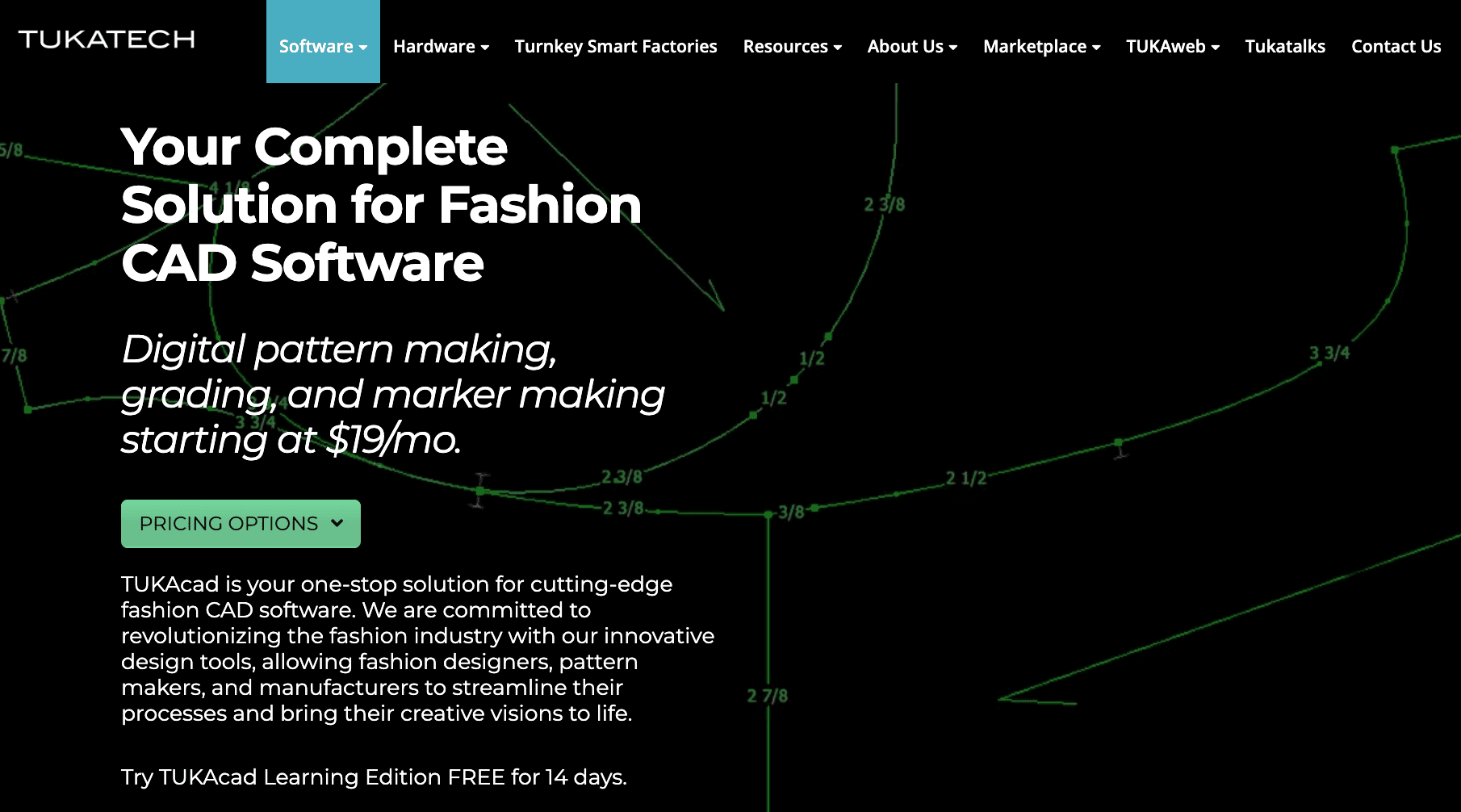
TUKAcad is a pattern-focused CAD system used for digital drafting, grading, and marker making. Technical designers build production-ready patterns and preview fit in 3D before samples are cut.
The software supports size-grading logic and detailed measurement control, helping brands that produce their own clothing maintain consistency. It is commonly adopted by growing brands that need professional pattern development without moving into enterprise-level systems.
TUKAcad centers on structured pattern data rather than concept visuals or merchandising workflows.
17. Optitex
Source: optitex.com
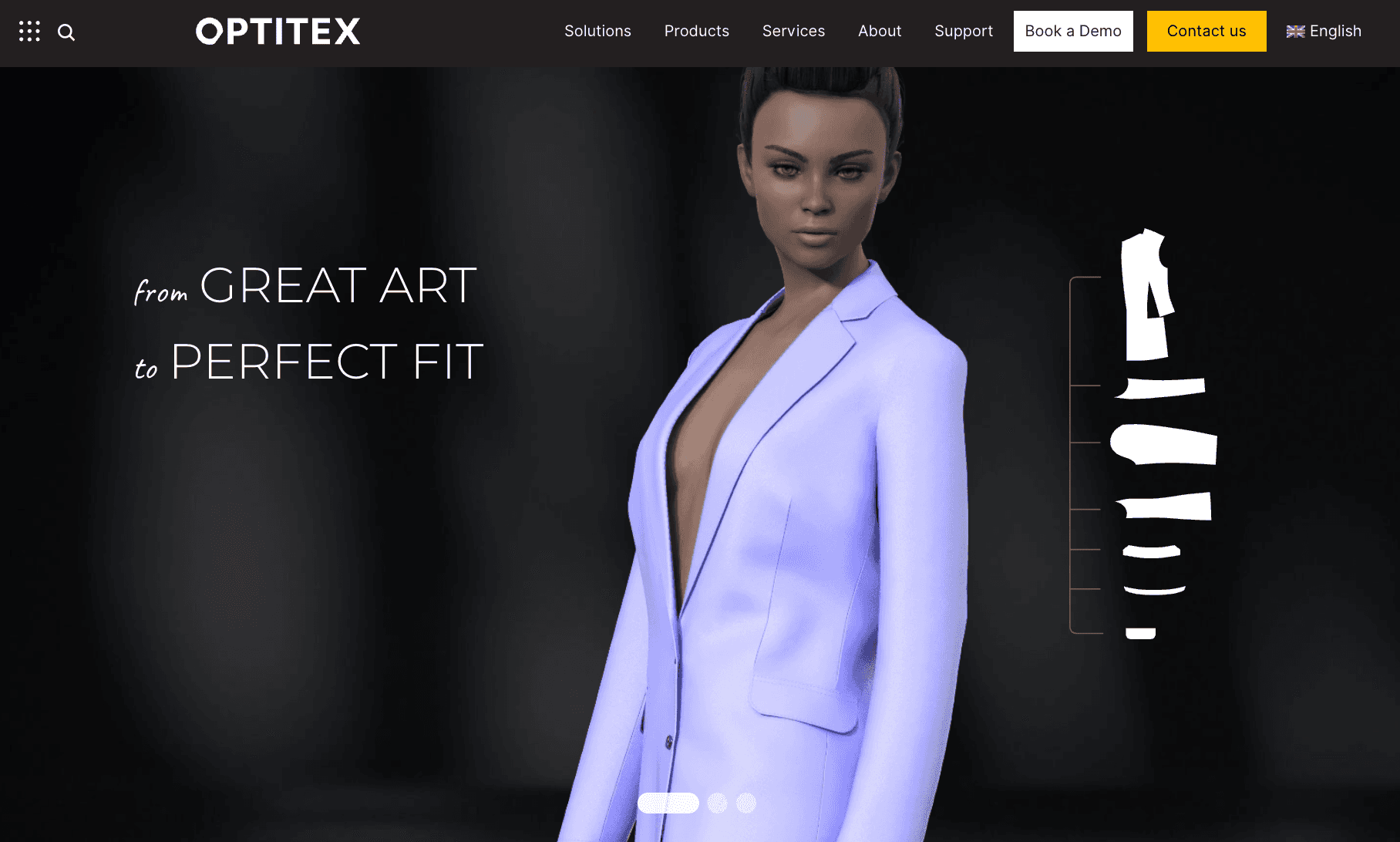
Optitex provides a combined 2D and 3D pattern design platform used for drafting, grading, and automated nesting.
Designers can simulate fabric behavior and evaluate fit before physical samples are made. The system integrates with production planning tools and supports complex size ranges and material types.
It is typically used by brands managing larger collections where technical precision must stand up to manufacturing requirements. Optitex focuses on digital pattern control and production accuracy rather than visual-only design tools.
18. Seamly2D
Source: seamly.io
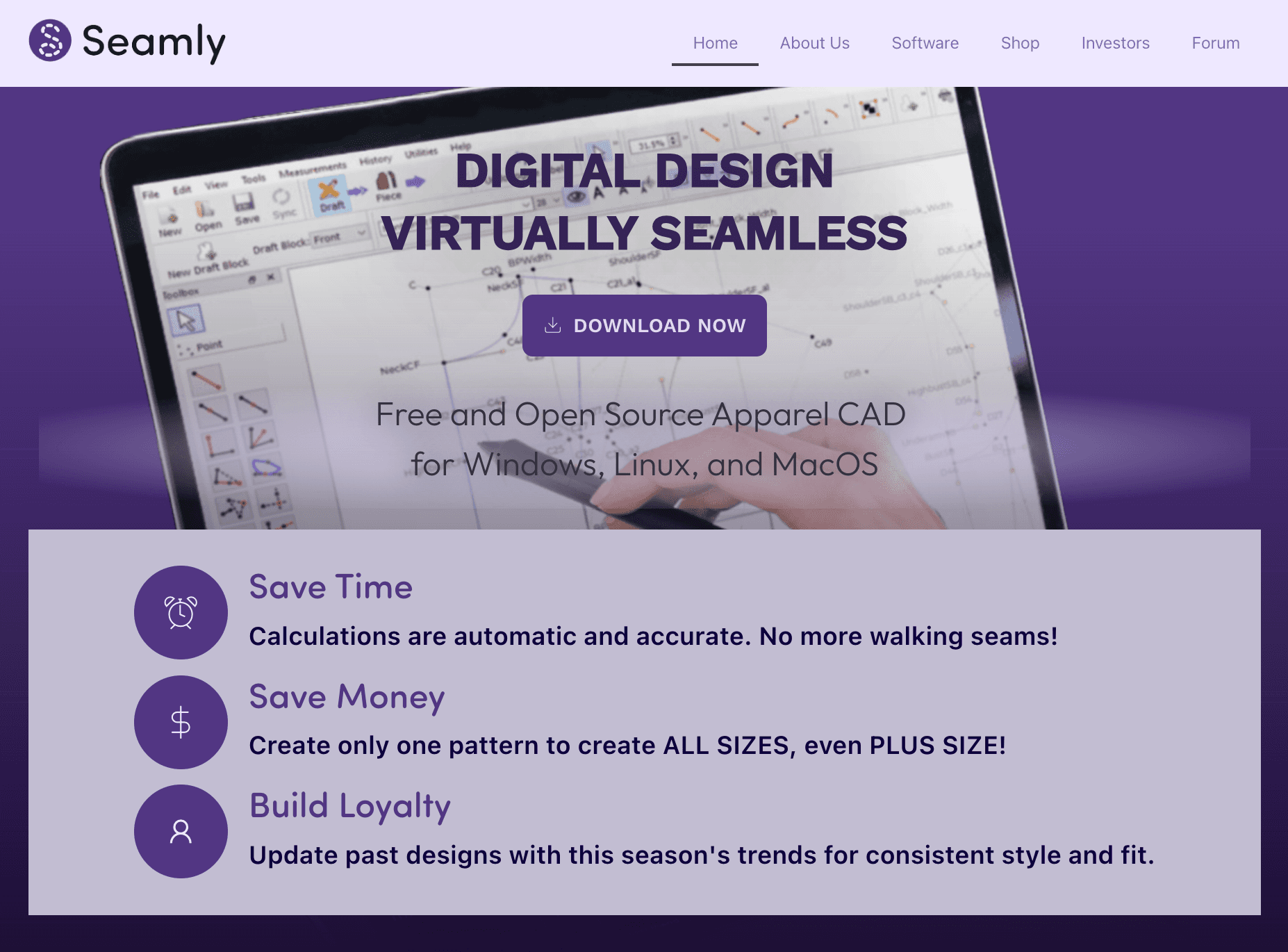
Seamly2D is an open-source pattern drafting application used to create custom garment patterns through measurement-based inputs.
Patterns can be built from scratch and adjusted through formula-driven parameters to match specific fit requirements. The software is available for free, which provides easy access for smaller brands developing early collections or testing new blocks.
Seamly2D centers on technical drafting rather than visual rendering. It supports teams that sew samples in-house or refine prototypes before moving patterns into larger production systems.
Onbrand: The Best Clothing Design Website Used by Growing Fashion Brands
Early-stage brands rely on Illustrator or mockup tools to shape a collection. That works when styles are limited, and revisions are manageable.
As the line expands, complexity increases. More styles require more tech packs. More colorways mean constant BOM updates. Sample rounds add revisions that must stay documented. Factories need confirmed specs, not scattered files.
At that point, concept development and specification control cannot live in separate systems.
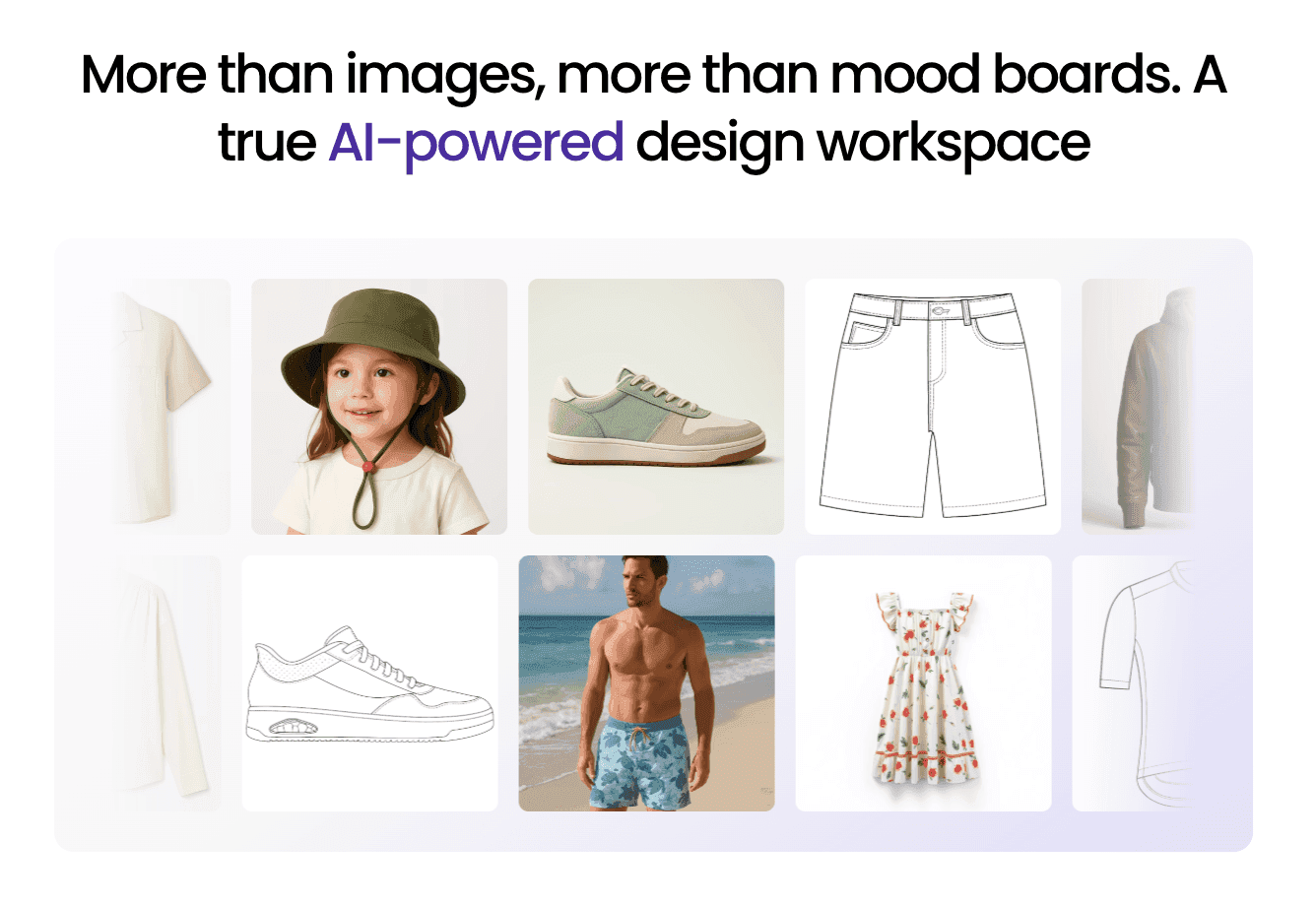
Onbrand AI Design handles early concept work with structure, so silhouettes, colorways, and design details are captured in a format ready for development.
Once approved, those styles move directly into Onbrand PLM, where live tech packs, BOMs, sample status, approvals, and vendor communication stay aligned in one workspace.
Together, they connect creative exploration to production-ready documentation without forcing teams to recreate work or manage duplicate files.
To see how that connection works in practice, request a demo here.
FAQs About Clothing Design Websites
What is the best website to design clothes?
The best website to design clothes depends on the stage of development. For early visual concepts, tools like Illustrator or Canva help brands design clothes online through sketches and mockups.
For AI-driven exploration, tools like Onbrand AI Design support structured concept creation before development begins. When collections move into production, Onbrand PLM manages tech packs, BOMs, revisions, and vendor communication in one system.
What is the 30-wear rule?
The 30-wear rule is a sustainability guideline that asks whether a garment will be worn at least 30 times before purchase. The rule encourages thoughtful buying decisions and reduces waste. For brands, it supports product planning that focuses on durability, fabric quality, and long-term wardrobe relevance rather than short-lived trends.
Where do Gen Z get their clothes?
Gen Z buys from fast-fashion retailers such as Shein, Temu, and Zara, which represent about 45% of their apparel spending, while athletic brands like Nike, Adidas, and Lululemon make up 41% of brand preference among Gen Z, according to Rawshot.
Many also shop resale platforms, including Depop and Poshmark, with 46% considering resale value before buying. Social commerce plays a major role, as 53% purchase through social media, and 28% use Buy Now Pay Later services to afford trend-driven purchases.
What websites do fashion designers use?
Fashion designers use different websites depending on their workflow. Illustrator and Procreate are common for sketching and flats, while CLO 3D and Browzwear support 3D sampling. Trusted brands also use platforms like Onbrand AI Design for structured concept creation and Onbrand PLM for tech packs, sample tracking, and specification control once production begins.
What websites are used to create personalized clothing?
Websites used to create personalized clothing include graphic design tools like Canva for mockups and layout previews, and print-on-demand platforms such as Printful or Printify for direct-to-garment production. These tools allow brands to test custom designs with lower upfront costs before committing to factory production at larger quantities.