Top 5 PLM Software for Small Businesses [2026]

Top 5 PLM Software for Small Businesses [2026]

Feb 2, 2026

plm software for small business

Small businesses in fashion often rely on manual tools longer than they should.

Tech packs move through email threads, sample feedback lives in messages, and version control depends on remembering which file is current.

This works early on. But as more styles move through product development, the gaps become harder to ignore. You spend time clarifying details, approvals slow down, and production planning takes more effort than it should.

PLM software for small businesses helps you organize that work without adding unnecessary processes. It gives you a clearer way to manage product data, approvals, and collaboration across design and production.

In this guide, we walk through the top PLM software built for small fashion teams and show how each one supports a growing workflow.

TL;DR

These are the top PLM software for small fashion businesses in 2026:

  1. Onbrand PLM

  2. Backbone PLM

  3. Yunique PLM 

  4. DeSL PLM

  5. ReChain PLM

Why Small Businesses Are Adopting PLM Software

When you run a small business in the fashion industry, staying organized gets harder as collections grow. What worked with a few styles starts to break once more designs move through development and production.

PLM software for small businesses gives you control over the entire product lifecycle without adding layers of process. Instead of relying on disconnected systems, you manage product details, approvals, and updates in one place.

Here’s why more brands are making the shift:

  • Growing style counts make product data management harder to keep clean

  • You need clear visibility across design, development, and production

  • Manual tools slow approvals and lead to sample rework

  • Vendor communication across the supply chain becomes harder to track

  • A cloud PLM system supports smoother work with contract manufacturers

  • Centralized information helps you improve collaboration and reduce errors

With PLM in place, you stay in control as your workflow grows, and product work moves forward with fewer surprises.

5 Best PLM Software for Small Businesses in 2026

Choosing PLM software often comes down to how much structure you need and how quickly your team can adopt it. Small fashion brands benefit most from tools that support real product work without added complexity.

Below, we’ve outlined the PLM software options most often used by small fashion businesses:

1. Onbrand PLM
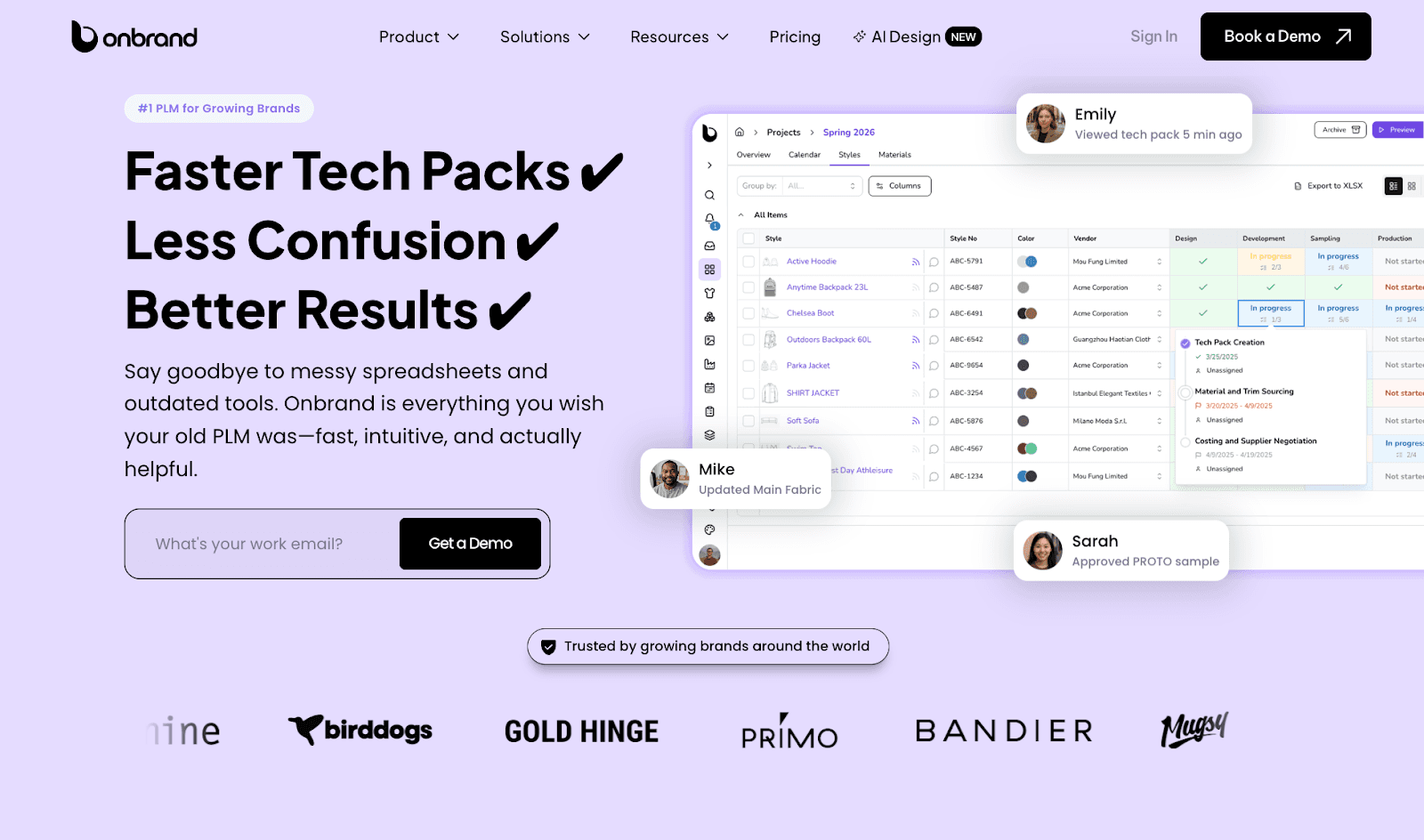
Onbrand PLM

Onbrand PLM is built for small and growing fashion brands that want clear product work without the baggage of old PLM setups.

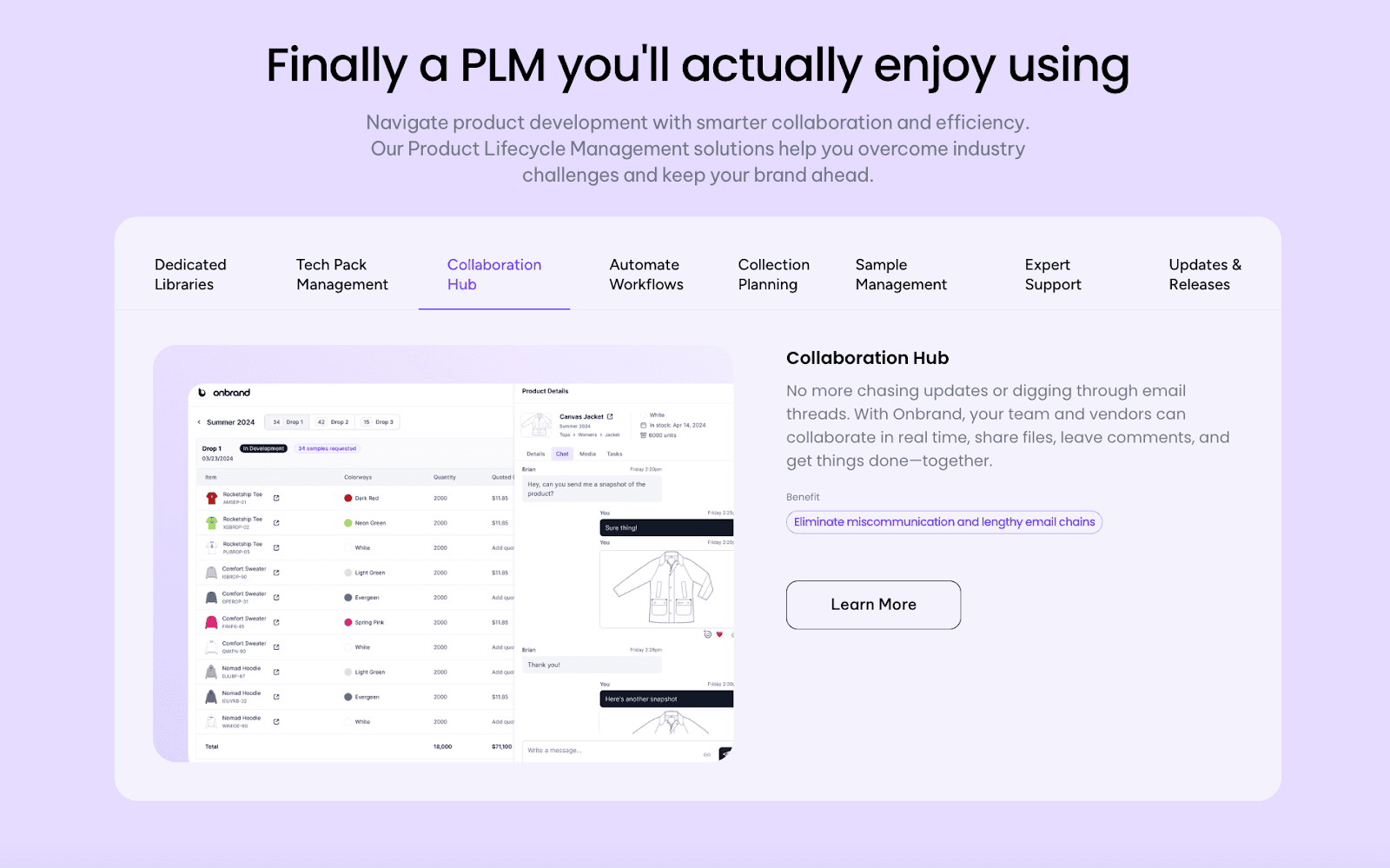
You keep tech packs, samples, approvals, and vendor feedback in one live workspace, so you spend less time chasing files and more time moving styles forward.

Brands moving to Onbrand have reported faster tech pack creation by around 55%, a several-week cut in development time, and implementation that wraps up in about 10 days.

Key Features

  • Live, web-based tech packs - Updates show up in real time, so you do not manage file versions across inboxes.

  • Configurable project timelines - Track stages, tasks, and approvals per style with a workflow that matches how you build a product.

  • Vendor collaboration hub - Share specs and comments in one place, so feedback stays tied to the right style and sample.

  • Sample management and approvals - Log sample rounds, decisions, and next steps, so production does not run on memory.

  • Dedicated libraries - Store materials, colors, artwork, and specifications in one place to cut duplicate entry.

  • Connection to Onbrand AI Design - Move early visuals into PLM faster, so concept direction stays linked to development work.

  • Fast onboarding and support - Most brands get live in weeks, with a dedicated account rep and no paid support add-ons.

If you want to see how live tech packs work in practice, book a demo. You can walk through a real style workflow and see where Onbrand fits.

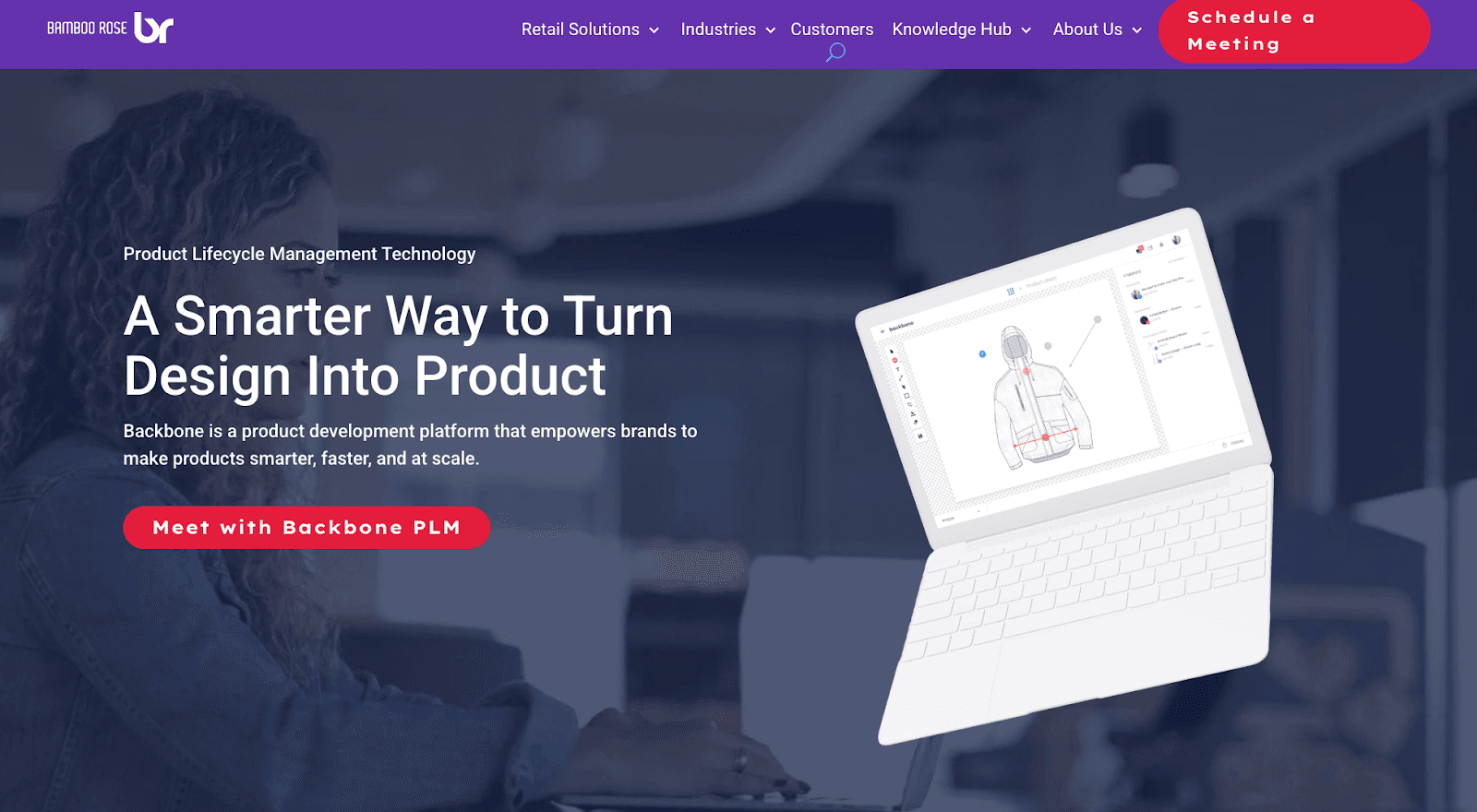
2. Backbone PLM

Backbone PLM

Source: bamboorose.com/backbone

Backbone PLM is often used by small fashion companies that want to move product work out of spreadsheets and into a shared software solution.

It focuses on organizing core product records so you can keep details consistent as more styles move through development.

The platform supports basic PLM solutions for managing product information across product design, materials, and timelines.

For small businesses, this can help create more structure across many processes without switching to other enterprise systems.

Backbone PLM is suitable when you need clearer visibility into styles, materials, and inventory as products move toward manufacturing.

Key Features

  • Style level product records - Centralize core style details in one place

  • Tech pack creation and version tracking - Keep updates tied to the correct style

  • Material and BOM management - Track components used across collections

  • Calendar-based development tracking - View timelines and key milestones

  • Collaboration tools - Share updates with internal users and stakeholders

3. Gerber Yunique PLM
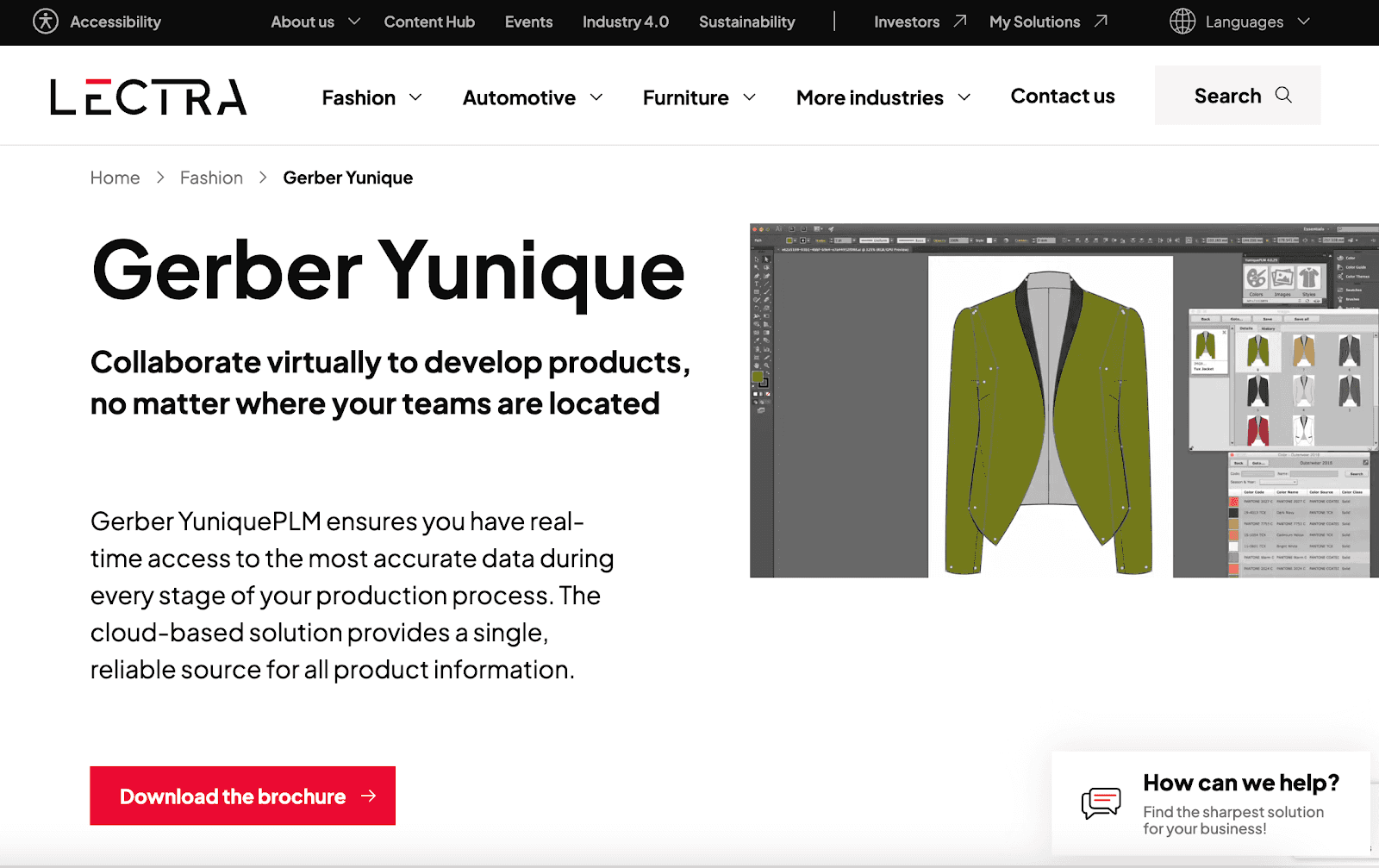
Gerber Yunique PLM

Source: lectra.com

Gerber YuniquePLM is used by fashion brands that want a more traditional system for centralizing product data as their product line grows.

It provides structure for managing styles, materials, and approvals when spreadsheets no longer keep information aligned.

Yunique functions as a digital tool for organizing development work across sourcing and production.

It supports basic supply chain management needs and helps keep information consistent when working with multiple vendors or global teams.

The platform is often chosen by brands that prioritize formal workflows and documented processes.

Key Features

  • Product data management - Organize style and material information in one system

  • Tech pack documentation - Store specifications and construction details

  • Line planning tools - Plan collections across seasons

  • Material libraries - Maintain consistency across styles

  • Workflow approvals - Track decisions as products move forward

4. DeSL PLM
DeSL PLM

Source: desl.net

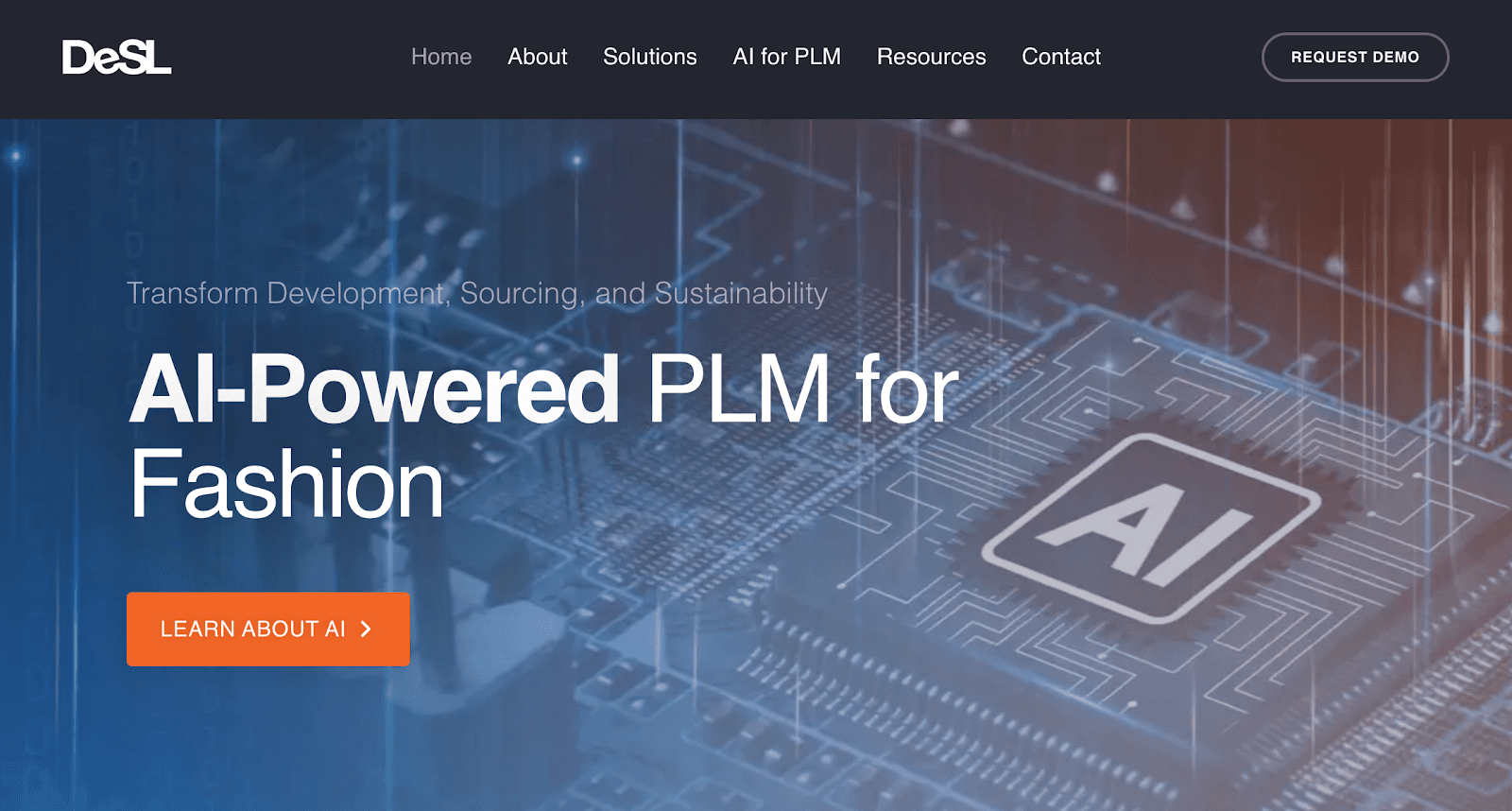
DeSL PLM supports fashion brands that want more structure around product records, development steps, and supplier coordination.

It is often used when a brand needs clearer documentation as styles move through design changes and approvals.

The platform provides tools to manage specifications, materials, and workflow steps as products develop.

This can help you keep changes visible and reduce confusion when engineering change requests come up or when products must meet regulatory standards.

DeSL is commonly adopted by brands that want defined processes to support consistent output and high-quality products.

Key Features

  • Product data management - Maintain style details and specifications

  • Design and development tracking - Follow updates across product stages

  • Supplier collaboration - Share information with vendors in one system

  • Material libraries - Keep fabric and trim details organized

  • Reporting tools - Review progress and development status

5. ReChain PLM
ReChain PLM

Source: rechain.co

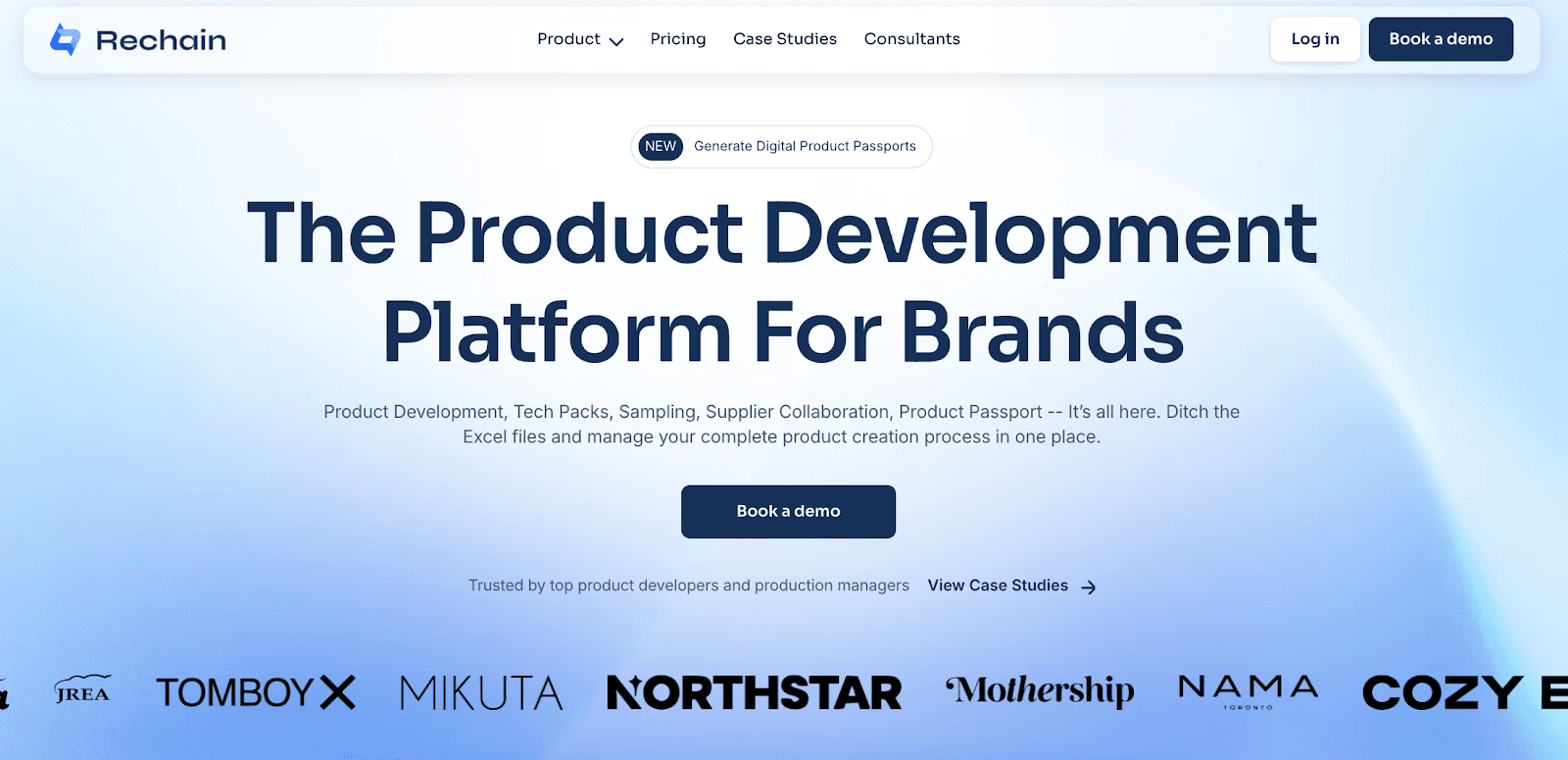
ReChain PLM is used by fashion brands that want clearer visibility into where products come from and how information moves across suppliers.

It places more emphasis on traceability and documentation than on day-to-day product planning.

The platform supports tracking materials and supplier data, which can help you manage updates when specifications change or when compliance and regulatory standards matter more.

For some brands, this structure helps support change management once you manage more styles and supplier networks expand.

ReChain is often considered when traceability plays a larger role in protecting high-quality products and maintaining consistent records across partners.

Key Features

  • Product lifecycle tracking - Follow products across development stages

  • Supplier and material traceability - Record sourcing details per style

  • Workflow management - Track approvals and updates

  • Document storage - Keep reference files attached to products

  • Collaboration tools - Share information with partners

How PLM Fits Into a Small Business Fashion Workflow

In a small business, your workflow needs to stay clear from the initial concept through sampling and production.

Fashion PLM software supports that flow by keeping design details, tech packs, samples, and timelines connected in a single system you can trust.

During fashion product development, this structure helps you manage updates without slowing down work.

You can track changes, keep specs aligned, and share accurate information with external partners as vendor communication increases across the fashion industry.

PLM works alongside your existing systems and supports sourcing, development, and production without the weight of enterprise resource planning tools.

With access to real-time data, you can make informed decisions, reduce back-and-forth, and protect product quality as your workflow grows.

Choosing a PLM That Matches Small Business Growth

Choosing the right PLM comes down to how well it fits your day-to-day product work. 

A tool with too many features can slow you down if it does not reflect how you manage tech packs, samples, and approvals.

Start with usability. You should be able to review styles, track changes, and move products forward without constant setup. 

The right system supports design improvements as collections expand and helps you keep decisions clear.

Look for tools that support real collaboration. PLM works best when it focuses on connecting people across design, development, and vendors. 

Clear access to information supports better decision-making and more consistent outcomes for your customers. 

For small fashion brands, the goal is to support product innovation, surfacing actionable insights, and leaving room for new ideas without slowing production.

Experience PLM Built for Small Fashion Brands With Onbrand
Onbrand PLM

PLM software gives small fashion brands a clearer way to manage product work once their line expands.

When tech packs, samples, approvals, and vendor updates live in one place, you spend less time fixing gaps and more time moving styles forward. The right system helps reduce rework, keeps production on track, and makes day-to-day decisions easier to manage.

Onbrand supports that workflow from start to finish. Onbrand PLM keeps development organized with live tech packs, timelines, sample tracking, and vendor collaboration in one shared workspace. It helps you manage real product work without relying on spreadsheets or disconnected tools.

For earlier stages, Onbrand AI Design supports concept work before development begins. You can explore design ideas, generate visuals, and align on direction faster, then carry those decisions directly into PLM when styles move forward.

Together, Onbrand PLM and Onbrand AI Design help you connect design and development without extra handoffs, so everyone involved stays aligned from first idea through production.

Book a demo to see how Onbrand fits into your product development process.


FAQs About PLM Software for Small Business

What is the right time for a small fashion brand to adopt product lifecycle management (PLM) software?

A small fashion brand should consider PLM software once product information becomes hard to track across spreadsheets, emails, and shared drives. If you are managing multiple styles, sample rounds, or vendors, and approvals start to slow down, PLM helps bring structure before those issues affect production.

Can PLM software replace spreadsheets for small fashion businesses?

Yes, PLM software can replace most spreadsheet-based product tracking for small fashion brands. Instead of maintaining separate files for tech packs, samples, and timelines, PLM keeps product data connected in one system, which reduces version confusion and manual updates.

How does PLM software support collaboration with vendors?

PLM software supports vendor collaboration by keeping specs, comments, and approvals tied directly to each style. Vendors can review the same information you see, which helps reduce back-and-forth messages and keeps production details clear as styles move forward.

How does PLM software help small fashion organizations compete in the market?

PLM software helps small fashion organizations compete in the market by giving them clearer control over product data, approvals, and timelines. It can automate routine tasks such as tracking updates, managing tech packs, and handling approvals, which reduces manual work and allows brands to focus more on building and delivering quality products.


Small businesses in fashion often rely on manual tools longer than they should.

Tech packs move through email threads, sample feedback lives in messages, and version control depends on remembering which file is current.

This works early on. But as more styles move through product development, the gaps become harder to ignore. You spend time clarifying details, approvals slow down, and production planning takes more effort than it should.

PLM software for small businesses helps you organize that work without adding unnecessary processes. It gives you a clearer way to manage product data, approvals, and collaboration across design and production.

In this guide, we walk through the top PLM software built for small fashion teams and show how each one supports a growing workflow.

TL;DR

These are the top PLM software for small fashion businesses in 2026:

  1. Onbrand PLM

  2. Backbone PLM

  3. Yunique PLM 

  4. DeSL PLM

  5. ReChain PLM

Why Small Businesses Are Adopting PLM Software

When you run a small business in the fashion industry, staying organized gets harder as collections grow. What worked with a few styles starts to break once more designs move through development and production.

PLM software for small businesses gives you control over the entire product lifecycle without adding layers of process. Instead of relying on disconnected systems, you manage product details, approvals, and updates in one place.

Here’s why more brands are making the shift:

  • Growing style counts make product data management harder to keep clean

  • You need clear visibility across design, development, and production

  • Manual tools slow approvals and lead to sample rework

  • Vendor communication across the supply chain becomes harder to track

  • A cloud PLM system supports smoother work with contract manufacturers

  • Centralized information helps you improve collaboration and reduce errors

With PLM in place, you stay in control as your workflow grows, and product work moves forward with fewer surprises.

5 Best PLM Software for Small Businesses in 2026

Choosing PLM software often comes down to how much structure you need and how quickly your team can adopt it. Small fashion brands benefit most from tools that support real product work without added complexity.

Below, we’ve outlined the PLM software options most often used by small fashion businesses:

1. Onbrand PLM

Onbrand PLM

Onbrand PLM is built for small and growing fashion brands that want clear product work without the baggage of old PLM setups.

You keep tech packs, samples, approvals, and vendor feedback in one live workspace, so you spend less time chasing files and more time moving styles forward.

Brands moving to Onbrand have reported faster tech pack creation by around 55%, a several-week cut in development time, and implementation that wraps up in about 10 days.

Key Features

  • Live, web-based tech packs - Updates show up in real time, so you do not manage file versions across inboxes.

  • Configurable project timelines - Track stages, tasks, and approvals per style with a workflow that matches how you build a product.

  • Vendor collaboration hub - Share specs and comments in one place, so feedback stays tied to the right style and sample.

  • Sample management and approvals - Log sample rounds, decisions, and next steps, so production does not run on memory.

  • Dedicated libraries - Store materials, colors, artwork, and specifications in one place to cut duplicate entry.

  • Connection to Onbrand AI Design - Move early visuals into PLM faster, so concept direction stays linked to development work.

  • Fast onboarding and support - Most brands get live in weeks, with a dedicated account rep and no paid support add-ons.

If you want to see how live tech packs work in practice, book a demo. You can walk through a real style workflow and see where Onbrand fits.

2. Backbone PLM

Backbone PLM

Source: bamboorose.com/backbone

Backbone PLM is often used by small fashion companies that want to move product work out of spreadsheets and into a shared software solution.

It focuses on organizing core product records so you can keep details consistent as more styles move through development.

The platform supports basic PLM solutions for managing product information across product design, materials, and timelines.

For small businesses, this can help create more structure across many processes without switching to other enterprise systems.

Backbone PLM is suitable when you need clearer visibility into styles, materials, and inventory as products move toward manufacturing.

Key Features

  • Style level product records - Centralize core style details in one place

  • Tech pack creation and version tracking - Keep updates tied to the correct style

  • Material and BOM management - Track components used across collections

  • Calendar-based development tracking - View timelines and key milestones

  • Collaboration tools - Share updates with internal users and stakeholders

3. Gerber Yunique PLM

Gerber Yunique PLM

Source: lectra.com

Gerber YuniquePLM is used by fashion brands that want a more traditional system for centralizing product data as their product line grows.

It provides structure for managing styles, materials, and approvals when spreadsheets no longer keep information aligned.

Yunique functions as a digital tool for organizing development work across sourcing and production.

It supports basic supply chain management needs and helps keep information consistent when working with multiple vendors or global teams.

The platform is often chosen by brands that prioritize formal workflows and documented processes.

Key Features

  • Product data management - Organize style and material information in one system

  • Tech pack documentation - Store specifications and construction details

  • Line planning tools - Plan collections across seasons

  • Material libraries - Maintain consistency across styles

  • Workflow approvals - Track decisions as products move forward

4. DeSL PLM

DeSL PLM

Source: desl.net

DeSL PLM supports fashion brands that want more structure around product records, development steps, and supplier coordination.

It is often used when a brand needs clearer documentation as styles move through design changes and approvals.

The platform provides tools to manage specifications, materials, and workflow steps as products develop.

This can help you keep changes visible and reduce confusion when engineering change requests come up or when products must meet regulatory standards.

DeSL is commonly adopted by brands that want defined processes to support consistent output and high-quality products.

Key Features

  • Product data management - Maintain style details and specifications

  • Design and development tracking - Follow updates across product stages

  • Supplier collaboration - Share information with vendors in one system

  • Material libraries - Keep fabric and trim details organized

  • Reporting tools - Review progress and development status

5. ReChain PLM

ReChain PLM

Source: rechain.co

ReChain PLM is used by fashion brands that want clearer visibility into where products come from and how information moves across suppliers.

It places more emphasis on traceability and documentation than on day-to-day product planning.

The platform supports tracking materials and supplier data, which can help you manage updates when specifications change or when compliance and regulatory standards matter more.

For some brands, this structure helps support change management once you manage more styles and supplier networks expand.

ReChain is often considered when traceability plays a larger role in protecting high-quality products and maintaining consistent records across partners.

Key Features

  • Product lifecycle tracking - Follow products across development stages

  • Supplier and material traceability - Record sourcing details per style

  • Workflow management - Track approvals and updates

  • Document storage - Keep reference files attached to products

  • Collaboration tools - Share information with partners

How PLM Fits Into a Small Business Fashion Workflow

In a small business, your workflow needs to stay clear from the initial concept through sampling and production.

Fashion PLM software supports that flow by keeping design details, tech packs, samples, and timelines connected in a single system you can trust.

During fashion product development, this structure helps you manage updates without slowing down work.

You can track changes, keep specs aligned, and share accurate information with external partners as vendor communication increases across the fashion industry.

PLM works alongside your existing systems and supports sourcing, development, and production without the weight of enterprise resource planning tools.

With access to real-time data, you can make informed decisions, reduce back-and-forth, and protect product quality as your workflow grows.

Choosing a PLM That Matches Small Business Growth

Choosing the right PLM comes down to how well it fits your day-to-day product work. 

A tool with too many features can slow you down if it does not reflect how you manage tech packs, samples, and approvals.

Start with usability. You should be able to review styles, track changes, and move products forward without constant setup. 

The right system supports design improvements as collections expand and helps you keep decisions clear.

Look for tools that support real collaboration. PLM works best when it focuses on connecting people across design, development, and vendors. 

Clear access to information supports better decision-making and more consistent outcomes for your customers. 

For small fashion brands, the goal is to support product innovation, surfacing actionable insights, and leaving room for new ideas without slowing production.

Experience PLM Built for Small Fashion Brands With Onbrand

Onbrand PLM

PLM software gives small fashion brands a clearer way to manage product work once their line expands.

When tech packs, samples, approvals, and vendor updates live in one place, you spend less time fixing gaps and more time moving styles forward. The right system helps reduce rework, keeps production on track, and makes day-to-day decisions easier to manage.

Onbrand supports that workflow from start to finish. Onbrand PLM keeps development organized with live tech packs, timelines, sample tracking, and vendor collaboration in one shared workspace. It helps you manage real product work without relying on spreadsheets or disconnected tools.

For earlier stages, Onbrand AI Design supports concept work before development begins. You can explore design ideas, generate visuals, and align on direction faster, then carry those decisions directly into PLM when styles move forward.

Together, Onbrand PLM and Onbrand AI Design help you connect design and development without extra handoffs, so everyone involved stays aligned from first idea through production.

Book a demo to see how Onbrand fits into your product development process.


FAQs About PLM Software for Small Business

What is the right time for a small fashion brand to adopt product lifecycle management (PLM) software?

A small fashion brand should consider PLM software once product information becomes hard to track across spreadsheets, emails, and shared drives. If you are managing multiple styles, sample rounds, or vendors, and approvals start to slow down, PLM helps bring structure before those issues affect production.

Can PLM software replace spreadsheets for small fashion businesses?

Yes, PLM software can replace most spreadsheet-based product tracking for small fashion brands. Instead of maintaining separate files for tech packs, samples, and timelines, PLM keeps product data connected in one system, which reduces version confusion and manual updates.

How does PLM software support collaboration with vendors?

PLM software supports vendor collaboration by keeping specs, comments, and approvals tied directly to each style. Vendors can review the same information you see, which helps reduce back-and-forth messages and keeps production details clear as styles move forward.

How does PLM software help small fashion organizations compete in the market?

PLM software helps small fashion organizations compete in the market by giving them clearer control over product data, approvals, and timelines. It can automate routine tasks such as tracking updates, managing tech packs, and handling approvals, which reduces manual work and allows brands to focus more on building and delivering quality products.

Discover how Onbrand PLM can streamline your product development!

© 2024 onbrandplm.com. All rights reserved.