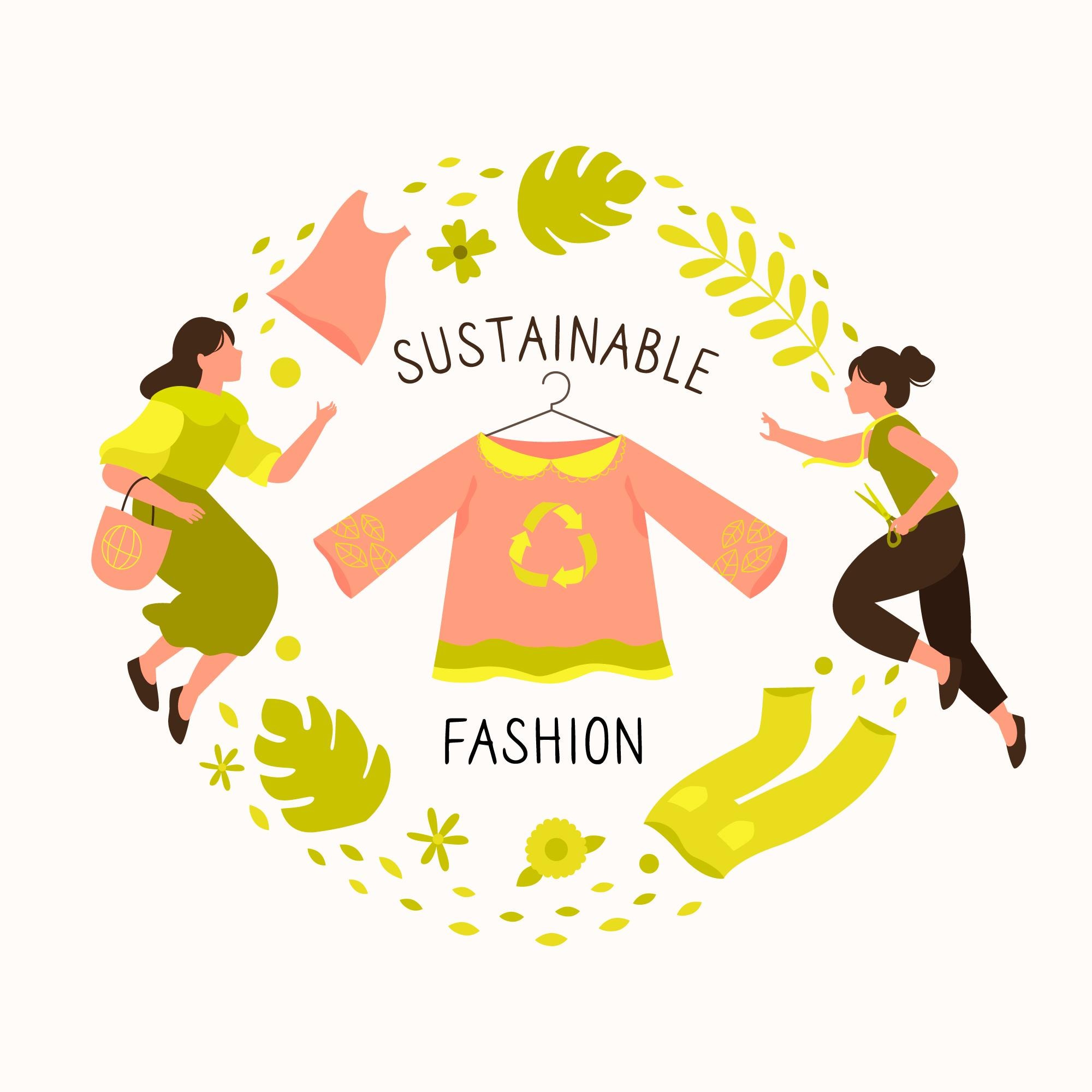
What Is Sustainable Fashion? A 2026 Guide

What Is Sustainable Fashion? A 2026 Guide

Jan 30, 2026

what is sustainable fashion

Over the past decade, the fashion industry has faced growing pressure to rethink how products are designed, produced, and delivered.

Concerns around materials, labor, and environmental impact have pushed sustainable fashion from a niche idea into a core industry conversation.

For fashion brands, sustainability is no longer limited to fabric choices alone.

Sustainable fashion refers to the practice of designing, producing, and delivering clothing in ways that reduce environmental impact, support fair working conditions, and prioritize long-term product quality.

It also includes sourcing, production planning, documentation, and how you work with manufacturing partners. As collections grow, keeping these efforts consistent becomes more challenging.

In this article, we explain what sustainable fashion means today and how it connects to the full fashion product lifecycle.

TL;DR

  • Sustainable fashion means designing, producing, and managing apparel with lower environmental impact, fair working conditions, and stronger product quality across the product life cycle.

  • It matters because decisions in design, tech packs, approvals, and production affect waste, rework, supply chain risk, and accountability.

  • Sustainable approaches usually fall into four areas: material-focused, process-focused, circular fashion, longevity, and transparency-focused practices.

  • The practical steps for brands are: align early on design, choose lower-impact materials, build production-ready tech packs, work closely with manufacturers, track decisions across the lifecycle, and plan for longevity.

What Is Sustainable Fashion?

Sustainable fashion refers to how fashion brands design, produce, and manage clothing with greater responsibility throughout the product lifecycle. It considers environmental impact, working conditions, and product quality at every stage of development.

In practice, this means choosing sustainable materials when possible, such as organic cotton, recycled materials, or lower-impact textiles. It also involves production practices like clear tech packs, controlled sampling, and realistic timelines that reduce waste and rework.

Sustainable fashion goes beyond materials alone. It includes how you plan production, work with manufacturers, and document decisions that affect cost, quality, and resources.

Unlike fast fashion, which prioritizes speed and volume, sustainable fashion supports more deliberate processes that help brands create apparel with fewer issues and longer-term value.

Why Sustainable Fashion Matters in the Fashion Industry

Sustainable fashion matters because decisions made during fashion production affect cost, timelines, and risk across the clothing industry.

Poor documentation, unclear specs, or rushed approvals can lead to excess samples, wasted raw materials, and strained supply chains.

From an environmental perspective, these issues increase environmental impact and make reducing waste harder as collections grow.

From a socio-economic perspective, unclear production methods can contribute to unsafe working conditions or labor exploitation for garment workers.

Fashion brands also face growing consumer and partner demand to demonstrate ethical practices, fair wages, and responsible production.

While no process is fully sustainable, clearer workflows help brands move toward more sustainable practices and a smaller carbon footprint without disrupting day-to-day work.

Types of Sustainable Fashion Strategies

Sustainable fashion can look different depending on how you design products, plan production, and work with suppliers. Most fashion brands apply sustainability through a mix of material choices, process decisions, and long-term planning.

Material-Focused Sustainability

Material-focused sustainability centers on the materials used to make clothing items. You may choose eco-friendly, biodegradable, or recycled-content materials and fabrics to reduce pressure on natural resources.

These decisions often happen early, during design and sourcing, and affect cost, availability, and lead times throughout clothing production.

Material-focused choices support more sustainable clothing, but they work best when paired with clear specs and realistic timelines shared with clothing manufacturers.

Process-Focused Sustainability

Process-focused sustainability looks at how products move through production processes. This includes sample planning, approval cycles, and the clarity of information flow through tech packs and vendor communication.

When moving away from fast fashion, businesses often focus on processes first. Better production planning helps you produce fewer items, reduce waste, and avoid rework caused by unclear documentation or rushed decisions.

Circular Fashion and Longevity

Circular fashion focuses on extending the life of products instead of pushing constant turnover. This can include designing durable garments, supporting secondhand clothing, or building business models that encourage reuse within a circular economy.

These choices align with slow fashion and help you respond to sustainability issues tied to climate change and overproduction.

Transparency and Responsible Practices

Transparency-focused strategies prioritize how brands work with fashion supply chains.

Clear documentation, fair trade standards, and visibility into vendors support environmentally conscious production and responsible use of renewable energy sources.

When you understand how products are made and where materials come from, it becomes easier to address environmental impact without disrupting everyday workflows.

How Fashion Brands Practice Sustainable Fashion

Sustainable fashion shows up in everyday decisions made across design, sourcing, and production. For most fashion brands, it is less about following trends and more about building habits that reduce risk and waste over time.

During design, choices around silhouettes, trims, and quantities affect how many clothing items move into sampling and production. Early material decisions influence resource use and downstream complexity.

In fashion product development, clear tech packs and structured approvals help reduce rework during clothing production. This matters when working with clothing manufacturers across complex fashion supply chains, where small gaps can lead to excess samples or delays.

Manufacturing decisions also shape sustainability. Production processes that support fair trade, limit overproduction, and prioritize quality help brands move away from fast fashion brands toward slow fashion models.

Over time, these eco-friendly practices support more sustainable clothing without disrupting daily workflows.

A Step-by-Step Guide to Sustainable Fashion for Brands

Sustainable fashion does not require a full reset of how you work. For most brands, it starts with small, consistent changes across design, sourcing, and production.

These steps focus on decisions you already make and how to handle them with more clarity as collections grow.

Step #1: Start With Intentional Design Choices

Early design decisions shape how many styles move forward and how much waste shows up later.

When silhouettes, details, and quantities stay unclear, sample rounds increase, and timelines slip during the fashion design process. Clear visual direction helps product development move forward with fewer resets.

Digital fashion design tools can support early alignment before specs are locked. Onbrand AI Design helps you explore concepts and align visually before development begins.

You can book a demo to see how early design clarity reduces rework.

Step #2: Choose Materials With Lower Impact

Material choices affect cost, lead times, and how products move through production.

Selecting options that support more sustainable fashion works best when trims, dyes, and sourcing stay realistic for your calendar. Balancing availability with quality helps sustainable brands avoid last-minute swaps.

These decisions should support the product, not chase fashion trends. Clear material direction also reduces back-and-forth once styles move into sampling.

Step #3: Build Clear, Production-Ready Documentation

Clear documentation reduces errors once styles reach vendors.

When tech packs stay incomplete or outdated, sample management breaks down, and quality control becomes reactive. Accurate specs support smoother handoffs and fewer corrections during production.

Step #4: Work Closely With Manufacturing Partners

Sustainable outcomes depend on how well you work with manufacturers.

Shared timelines, clear expectations, and direct communication reduce confusion during clothing production. Strong vendor relationship management helps prevent excess samples and rushed fixes.

This approach supports steady production without forcing changes late in the process. It also helps move away from pressure-driven cycles often seen in the fashion industry.

Step #5: Track Decisions Across the Product Lifecycle

Tracking decisions helps you understand why changes happen.

Visibility across samples, approvals, and revisions keeps product development aligned as collections scale. When updates stay scattered, issues surface too late to fix cleanly.

Tracking supports accountability without adding more steps. It also helps brands make informed adjustments instead of reacting under pressure.

Step #6: Plan for Product Longevity

Product longevity starts with realistic planning.

Designing fewer items with clear use cases helps reduce overproduction and unnecessary revisions. Care details and build quality matter once products reach the environment beyond production.

While consumers ultimately decide how they buy clothes, brands control what they produce. Thoughtful planning supports sustainable brands without slowing down day-to-day work.

Sustainable Fashion and Modern Fashion Technology

Modern fashion technology supports sustainable fashion by helping brands manage complexity as collections grow.

When product data lives in scattered files, decisions get lost, and errors show up later in production. Digital tools can help keep design, documentation, and approvals connected, so everyone works from the same information.

Centralized product data makes it easier to track updates across styles, samples, and materials. Version control reduces confusion during reviews and prevents outdated specs from reaching vendors.

Clear communication also cuts down on manual handoffs that often slow timelines or create mistakes.

Platforms like Onbrand support these workflows by connecting early design work with development and production records. This helps brands carry decisions forward with more consistency as products move through the lifecycle.

How Onbrand Can Help Support Sustainable Fashion

Sustainable fashion becomes harder to manage as style counts grow, vendors increase, and sample rounds add up. Onbrand helps you build sustainability into everyday product decisions, not as a separate task, but as part of how design and development move forward.

It supports this workflow through two connected tools: Onbrand AI Design for early concept work and Onbrand PLM for development, production tracking, and sustainability documentation.

Onbrand AI Design
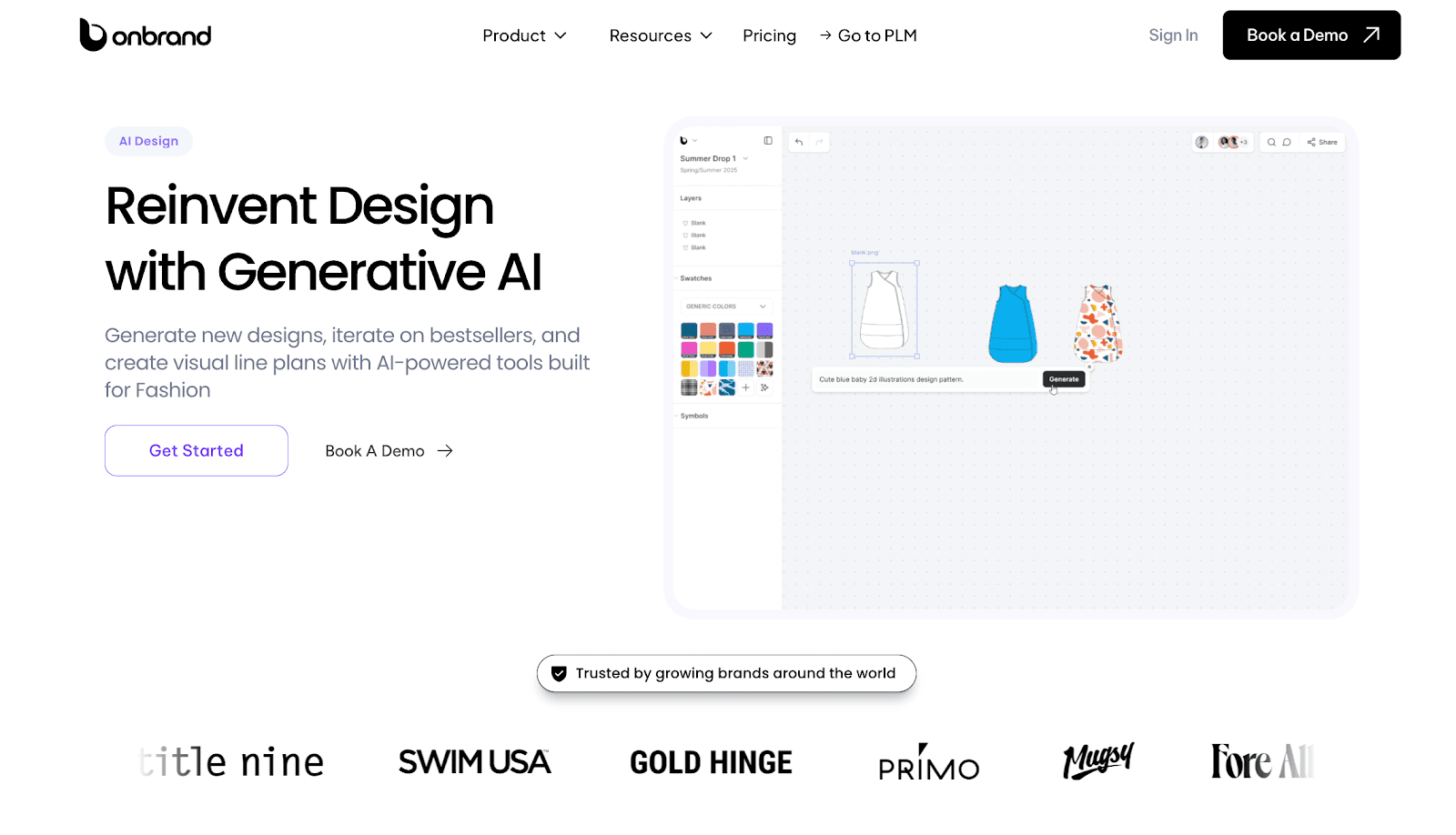
Onbrand AI Design

Onbrand AI Design supports the earliest stage of the product lifecycle, where sustainability choices often begin but are hardest to lock in. It helps you turn ideas into clear visuals before specs and samples are created, so fewer decisions need to be revisited later.

You can use it to:

  • Generate and explore design concepts quickly

  • Create visual variations for colorways, trims, and silhouettes

  • Review material directions and design options before committing to samples

  • Organize references and directions in one shared space

  • Review and align on ideas before development begins

Earlier visual alignment helps reduce unnecessary sampling and limits waste caused by late-stage changes.

Onbrand PLM
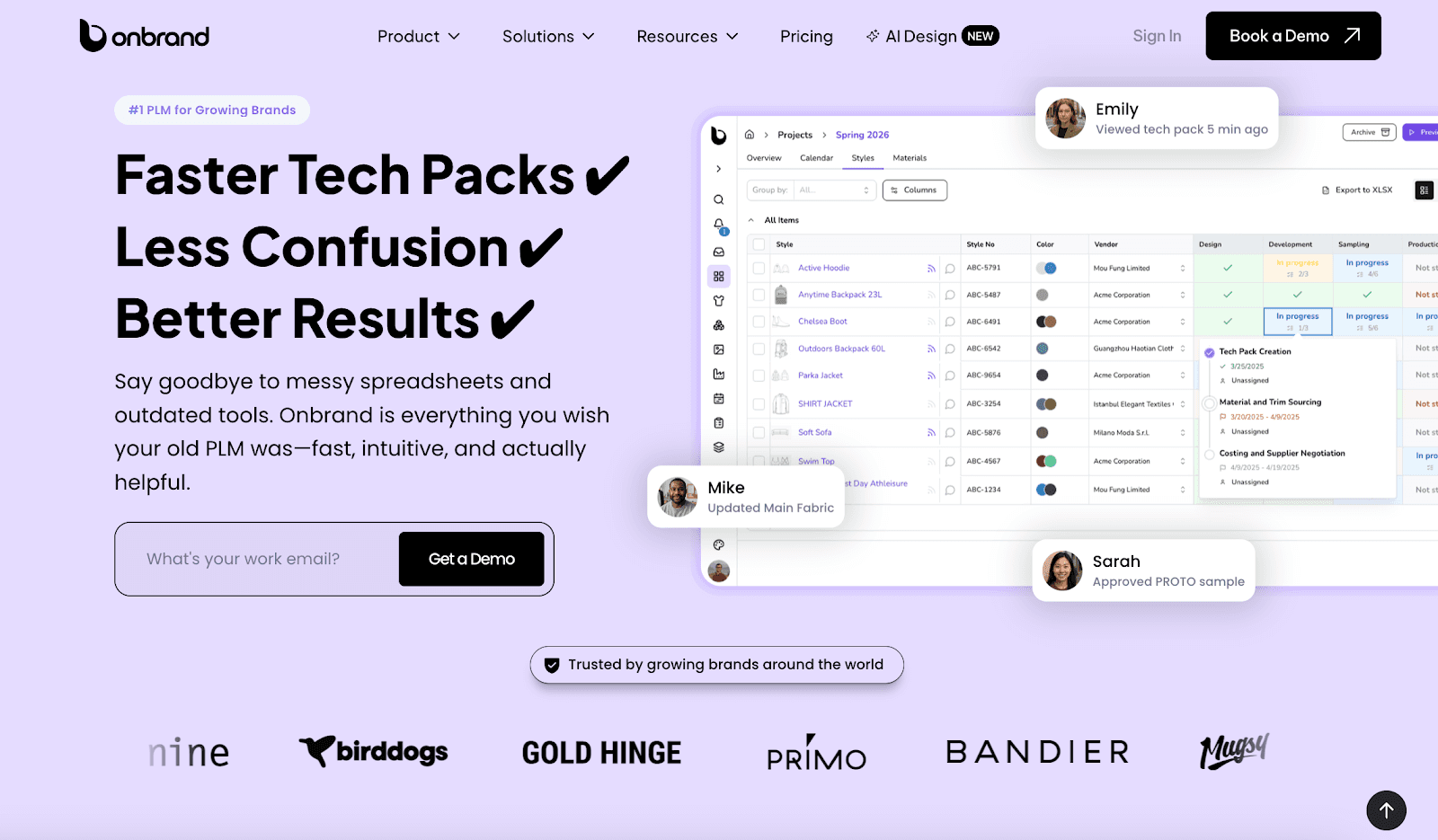
Onbrand PLM

Once a style enters development, Onbrand PLM keeps product information connected through production. It also gives you a clear way to track sustainability and compliance data alongside core product records.

You can use it to:

  • Manage tech packs, specs, and updates in one place

  • Track samples, approvals, and revisions without version confusion

  • Share the same details with vendors and internal stakeholders

  • Maintain visibility across timelines as collections scale

  • Store and manage sustainability certifications, audits, and material documentation

  • Trace materials and sourcing details across styles and seasons

  • Log compliance information as work progresses, not at the last minute

This makes it easier to meet sustainability standards without slowing down development or chasing documents late in the process.

Together, Onbrand AI Design and Onbrand PLM help carry decisions from concept through production with fewer gaps, less rework, and clearer accountability around sustainability and compliance.

If you want to see how sustainability, documentation, and production tracking can live in one workflow, you can book a demo to walk through Onbrand with your product flow.


FAQs About What Is Sustainable Fashion

What is meant by sustainable fashion?

Sustainable fashion refers to the practice of designing, producing, and managing clothing in ways that reduce environmental impact, support fair working conditions, and improve product quality over time. It considers materials, production methods, and how decisions affect people and resources across the product life cycle.

What is an example of sustainability in fashion?

An example of sustainability in fashion is reducing sample rounds by using clear tech packs and aligning on designs early. This helps limit waste, shorten timelines, and reduce rework during production. Other examples include responsible material sourcing and consistent documentation shared with manufacturers.

What are the seven Rs of sustainable fashion?

The seven Rs of sustainable fashion are Rethink, Refuse, Reduce, Reuse, Repair, Recycle, and Recover. These principles encourage brands and consumers to question how clothing is designed and produced, limit unnecessary output, extend product use, and reduce waste. In practice, they support more responsible production and better use of resources over time.  

Over the past decade, the fashion industry has faced growing pressure to rethink how products are designed, produced, and delivered.

Concerns around materials, labor, and environmental impact have pushed sustainable fashion from a niche idea into a core industry conversation.

For fashion brands, sustainability is no longer limited to fabric choices alone.

Sustainable fashion refers to the practice of designing, producing, and delivering clothing in ways that reduce environmental impact, support fair working conditions, and prioritize long-term product quality.

It also includes sourcing, production planning, documentation, and how you work with manufacturing partners. As collections grow, keeping these efforts consistent becomes more challenging.

In this article, we explain what sustainable fashion means today and how it connects to the full fashion product lifecycle.

TL;DR

  • Sustainable fashion means designing, producing, and managing apparel with lower environmental impact, fair working conditions, and stronger product quality across the product life cycle.

  • It matters because decisions in design, tech packs, approvals, and production affect waste, rework, supply chain risk, and accountability.

  • Sustainable approaches usually fall into four areas: material-focused, process-focused, circular fashion, longevity, and transparency-focused practices.

  • The practical steps for brands are: align early on design, choose lower-impact materials, build production-ready tech packs, work closely with manufacturers, track decisions across the lifecycle, and plan for longevity.

What Is Sustainable Fashion?

Sustainable fashion refers to how fashion brands design, produce, and manage clothing with greater responsibility throughout the product lifecycle. It considers environmental impact, working conditions, and product quality at every stage of development.

In practice, this means choosing sustainable materials when possible, such as organic cotton, recycled materials, or lower-impact textiles. It also involves production practices like clear tech packs, controlled sampling, and realistic timelines that reduce waste and rework.

Sustainable fashion goes beyond materials alone. It includes how you plan production, work with manufacturers, and document decisions that affect cost, quality, and resources.

Unlike fast fashion, which prioritizes speed and volume, sustainable fashion supports more deliberate processes that help brands create apparel with fewer issues and longer-term value.

Why Sustainable Fashion Matters in the Fashion Industry

Sustainable fashion matters because decisions made during fashion production affect cost, timelines, and risk across the clothing industry.

Poor documentation, unclear specs, or rushed approvals can lead to excess samples, wasted raw materials, and strained supply chains.

From an environmental perspective, these issues increase environmental impact and make reducing waste harder as collections grow.

From a socio-economic perspective, unclear production methods can contribute to unsafe working conditions or labor exploitation for garment workers.

Fashion brands also face growing consumer and partner demand to demonstrate ethical practices, fair wages, and responsible production.

While no process is fully sustainable, clearer workflows help brands move toward more sustainable practices and a smaller carbon footprint without disrupting day-to-day work.

Types of Sustainable Fashion Strategies

Sustainable fashion can look different depending on how you design products, plan production, and work with suppliers. Most fashion brands apply sustainability through a mix of material choices, process decisions, and long-term planning.

Material-Focused Sustainability

Material-focused sustainability centers on the materials used to make clothing items. You may choose eco-friendly, biodegradable, or recycled-content materials and fabrics to reduce pressure on natural resources.

These decisions often happen early, during design and sourcing, and affect cost, availability, and lead times throughout clothing production.

Material-focused choices support more sustainable clothing, but they work best when paired with clear specs and realistic timelines shared with clothing manufacturers.

Process-Focused Sustainability

Process-focused sustainability looks at how products move through production processes. This includes sample planning, approval cycles, and the clarity of information flow through tech packs and vendor communication.

When moving away from fast fashion, businesses often focus on processes first. Better production planning helps you produce fewer items, reduce waste, and avoid rework caused by unclear documentation or rushed decisions.

Circular Fashion and Longevity

Circular fashion focuses on extending the life of products instead of pushing constant turnover. This can include designing durable garments, supporting secondhand clothing, or building business models that encourage reuse within a circular economy.

These choices align with slow fashion and help you respond to sustainability issues tied to climate change and overproduction.

Transparency and Responsible Practices

Transparency-focused strategies prioritize how brands work with fashion supply chains.

Clear documentation, fair trade standards, and visibility into vendors support environmentally conscious production and responsible use of renewable energy sources.

When you understand how products are made and where materials come from, it becomes easier to address environmental impact without disrupting everyday workflows.

How Fashion Brands Practice Sustainable Fashion

Sustainable fashion shows up in everyday decisions made across design, sourcing, and production. For most fashion brands, it is less about following trends and more about building habits that reduce risk and waste over time.

During design, choices around silhouettes, trims, and quantities affect how many clothing items move into sampling and production. Early material decisions influence resource use and downstream complexity.

In fashion product development, clear tech packs and structured approvals help reduce rework during clothing production. This matters when working with clothing manufacturers across complex fashion supply chains, where small gaps can lead to excess samples or delays.

Manufacturing decisions also shape sustainability. Production processes that support fair trade, limit overproduction, and prioritize quality help brands move away from fast fashion brands toward slow fashion models.

Over time, these eco-friendly practices support more sustainable clothing without disrupting daily workflows.

A Step-by-Step Guide to Sustainable Fashion for Brands

Sustainable fashion does not require a full reset of how you work. For most brands, it starts with small, consistent changes across design, sourcing, and production.

These steps focus on decisions you already make and how to handle them with more clarity as collections grow.

Step #1: Start With Intentional Design Choices

Early design decisions shape how many styles move forward and how much waste shows up later.

When silhouettes, details, and quantities stay unclear, sample rounds increase, and timelines slip during the fashion design process. Clear visual direction helps product development move forward with fewer resets.

Digital fashion design tools can support early alignment before specs are locked. Onbrand AI Design helps you explore concepts and align visually before development begins.

You can book a demo to see how early design clarity reduces rework.

Step #2: Choose Materials With Lower Impact

Material choices affect cost, lead times, and how products move through production.

Selecting options that support more sustainable fashion works best when trims, dyes, and sourcing stay realistic for your calendar. Balancing availability with quality helps sustainable brands avoid last-minute swaps.

These decisions should support the product, not chase fashion trends. Clear material direction also reduces back-and-forth once styles move into sampling.

Step #3: Build Clear, Production-Ready Documentation

Clear documentation reduces errors once styles reach vendors.

When tech packs stay incomplete or outdated, sample management breaks down, and quality control becomes reactive. Accurate specs support smoother handoffs and fewer corrections during production.

Step #4: Work Closely With Manufacturing Partners

Sustainable outcomes depend on how well you work with manufacturers.

Shared timelines, clear expectations, and direct communication reduce confusion during clothing production. Strong vendor relationship management helps prevent excess samples and rushed fixes.

This approach supports steady production without forcing changes late in the process. It also helps move away from pressure-driven cycles often seen in the fashion industry.

Step #5: Track Decisions Across the Product Lifecycle

Tracking decisions helps you understand why changes happen.

Visibility across samples, approvals, and revisions keeps product development aligned as collections scale. When updates stay scattered, issues surface too late to fix cleanly.

Tracking supports accountability without adding more steps. It also helps brands make informed adjustments instead of reacting under pressure.

Step #6: Plan for Product Longevity

Product longevity starts with realistic planning.

Designing fewer items with clear use cases helps reduce overproduction and unnecessary revisions. Care details and build quality matter once products reach the environment beyond production.

While consumers ultimately decide how they buy clothes, brands control what they produce. Thoughtful planning supports sustainable brands without slowing down day-to-day work.

Sustainable Fashion and Modern Fashion Technology

Modern fashion technology supports sustainable fashion by helping brands manage complexity as collections grow.

When product data lives in scattered files, decisions get lost, and errors show up later in production. Digital tools can help keep design, documentation, and approvals connected, so everyone works from the same information.

Centralized product data makes it easier to track updates across styles, samples, and materials. Version control reduces confusion during reviews and prevents outdated specs from reaching vendors.

Clear communication also cuts down on manual handoffs that often slow timelines or create mistakes.

Platforms like Onbrand support these workflows by connecting early design work with development and production records. This helps brands carry decisions forward with more consistency as products move through the lifecycle.

How Onbrand Can Help Support Sustainable Fashion

Sustainable fashion becomes harder to manage as style counts grow, vendors increase, and sample rounds add up. Onbrand helps you build sustainability into everyday product decisions, not as a separate task, but as part of how design and development move forward.

It supports this workflow through two connected tools: Onbrand AI Design for early concept work and Onbrand PLM for development, production tracking, and sustainability documentation.

Onbrand AI Design

Onbrand AI Design

Onbrand AI Design supports the earliest stage of the product lifecycle, where sustainability choices often begin but are hardest to lock in. It helps you turn ideas into clear visuals before specs and samples are created, so fewer decisions need to be revisited later.

You can use it to:

  • Generate and explore design concepts quickly

  • Create visual variations for colorways, trims, and silhouettes

  • Review material directions and design options before committing to samples

  • Organize references and directions in one shared space

  • Review and align on ideas before development begins

Earlier visual alignment helps reduce unnecessary sampling and limits waste caused by late-stage changes.

Onbrand PLM

Onbrand PLM

Once a style enters development, Onbrand PLM keeps product information connected through production. It also gives you a clear way to track sustainability and compliance data alongside core product records.

You can use it to:

  • Manage tech packs, specs, and updates in one place

  • Track samples, approvals, and revisions without version confusion

  • Share the same details with vendors and internal stakeholders

  • Maintain visibility across timelines as collections scale

  • Store and manage sustainability certifications, audits, and material documentation

  • Trace materials and sourcing details across styles and seasons

  • Log compliance information as work progresses, not at the last minute

This makes it easier to meet sustainability standards without slowing down development or chasing documents late in the process.

Together, Onbrand AI Design and Onbrand PLM help carry decisions from concept through production with fewer gaps, less rework, and clearer accountability around sustainability and compliance.

If you want to see how sustainability, documentation, and production tracking can live in one workflow, you can book a demo to walk through Onbrand with your product flow.


FAQs About What Is Sustainable Fashion

What is meant by sustainable fashion?

Sustainable fashion refers to the practice of designing, producing, and managing clothing in ways that reduce environmental impact, support fair working conditions, and improve product quality over time. It considers materials, production methods, and how decisions affect people and resources across the product life cycle.

What is an example of sustainability in fashion?

An example of sustainability in fashion is reducing sample rounds by using clear tech packs and aligning on designs early. This helps limit waste, shorten timelines, and reduce rework during production. Other examples include responsible material sourcing and consistent documentation shared with manufacturers.

What are the seven Rs of sustainable fashion?

The seven Rs of sustainable fashion are Rethink, Refuse, Reduce, Reuse, Repair, Recycle, and Recover. These principles encourage brands and consumers to question how clothing is designed and produced, limit unnecessary output, extend product use, and reduce waste. In practice, they support more responsible production and better use of resources over time.  

Discover how Onbrand PLM can streamline your product development!

© 2024 onbrandplm.com. All rights reserved.