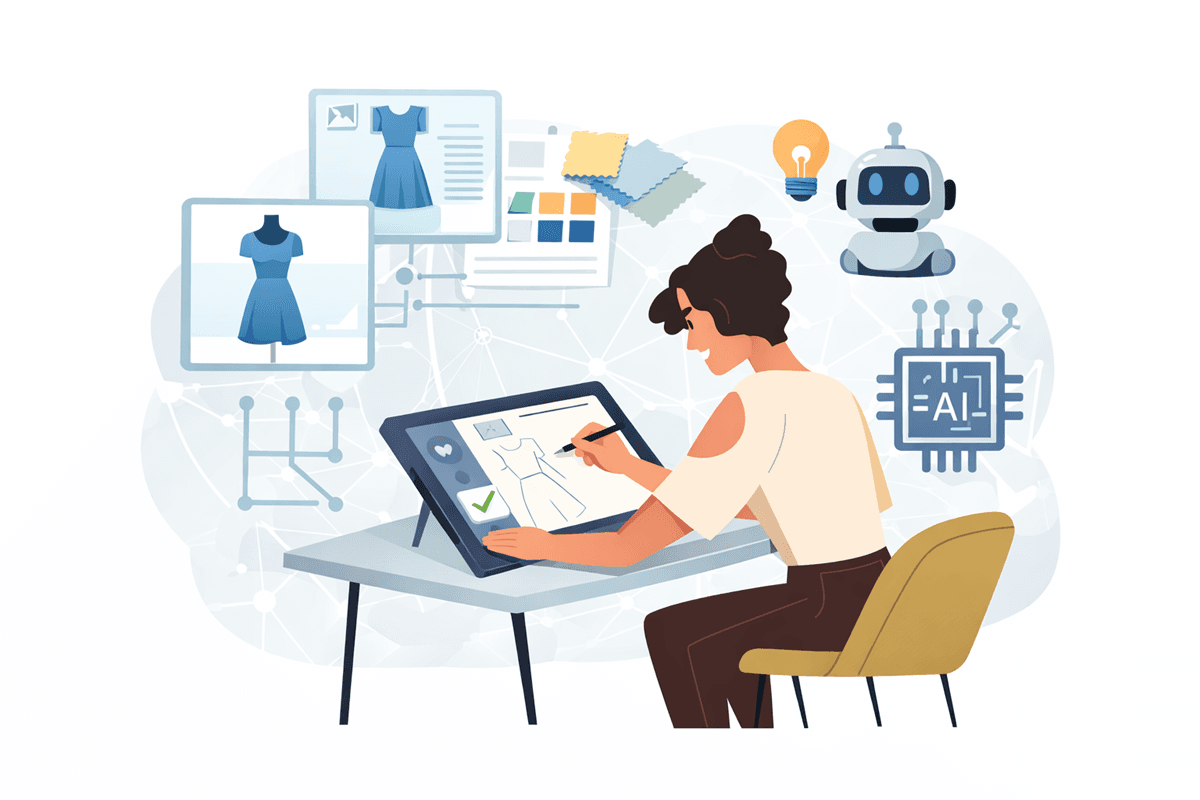
A growing brand managing multiple styles often handles sketches in one place, tech packs in another, and approvals through email threads. Design updates get buried in file versions. Visual concepts do not always match the latest specifications.
These issues usually signal growth, not failure. More styles, more suppliers, and tighter timelines expose gaps that manual workflows cannot handle.
Digital design systems address this by linking concept creation, 3D garment visualization, and shared product data.
This guide explains what digital fashion design software includes, how it supports product development, and how connected platforms help maintain design-to-production continuity.
TL;DR
Digital fashion design software connects concept creation, 3D garment visualization, and structured product records so fashion brands can move from idea to production without rebuilding information in separate files.
It supports core workflows such as digital concept development, visual validation before sampling, specification management, revision tracking, and supplier communication.
Disconnected tools create gaps between sketches, tech packs, and approvals, while connected AI + PLM platforms maintain version control and a single source of truth.
AI improves early-stage design by generating variations, refining sketches, building visuals, and linking outputs directly to product data instead of static files.
Onbrand combines AI-powered design exploration with integrated PLM, web-based tech packs, collaboration, and product data to support full design-to-production continuity.
What Is Digital Fashion Design Software and How Does It Work?
Digital fashion design software refers to platforms that help brands create, visualize, and prepare garments for production within an integrated digital environment in the fashion industry.
Unlike standalone sketch apps or rendering tools, it combines visual design, technical specifications, and revision tracking in one system. The goal is not only to create garment visuals, but to manage how those visuals translate into production.
It supports:
Digital garment concept creation during the fashion design phase
Visual validation before committing to physical samples
Standardized specification management for product records
Revision tracking during the design development process
Preparation for production and supplier communication
Not all tools serve the same purpose, and many are designed to work alongside other tools rather than replace them.
Sketch-only tools focus on early creative process exploration and may feel more familiar to fashion designers. 3D visualization tools help designers review fit, and AI generators produce images in real time. Standalone tools do not manage system-based product data.
Modern platforms integrate visual creation with product records and, in some cases, link directly to systems such as fashion PLM solutions like Onbrand PLM. That shift moves digital design from isolated visuals to a system that supports full product development.
Who Uses Digital Fashion Design Software?
Digital fashion design software is used by a wide range of professionals, and its use evolves as brands grow.
Independent designers and early-stage brands often rely on digital tools for visual exploration and concept testing. Many learn through peers and the broader design community while refining ideas before formal development begins.
As collections expand, brands need a more organized development process. Fashion product development and technical roles require clearer specifications, revision tracking, and stronger communication with manufacturers.
At this stage, disconnected tools begin to slow progress and create inefficiencies.
Larger apparel organizations depend on systems with stronger data management capabilities to coordinate multiple categories and reduce material waste during development.
Early users prioritize exploration. Scaling brands prioritize structure, visibility, and continuity. Connected AI design platforms integrated with PLM systems become more relevant as operational complexity increases.
Why Digital Fashion Design Software Is Important for Growing Fashion Brands
Digital fashion design software supports system-led development when collections expand, and timelines tighten.
Reducing physical samples becomes more realistic when visuals are reviewed, fabrics are adjusted, and details are validated before products reach your customers. Clearer digital documentation leads to more efficient internal reviews and fewer revision loops.
Tech pack preparation improves when product information resides in a single system rather than in scattered files. Fewer handoffs reduce confusion, lower revision costs, and simplify supplier communication.
When product lines grow, stronger control over specifications, approvals, and updates becomes necessary.
Onbrand links AI design exploration with shared product data, so development decisions stay aligned. The result is not just better visuals. It is a more controlled and complete development process built for scaling brands.
How Is AI Improving Digital Fashion Design Software?
AI improves digital fashion design software by accelerating early concept development and reducing manual rework during visual exploration.
With AI garment concept generation, you can test silhouettes, trims, and color variations quickly. You can experiment with new directions before committing development time. Rapid material exploration expands creative possibilities while keeping focus on production feasibility.
AI also supports assisted sketch refinement. Additionally, rough ideas can be clarified into usable visuals that support clearer internal reviews. Faster early-stage iteration improves decision speed and reduces delays later in development.
Not all AI tools function the same way. Standalone inspiration apps focus on visual generation and typically do not manage development data. They are useful for exploration, especially for beginners or early concept work.
AI embedded within defined development workflows is different. Platforms such as Onbrand AI Design connect visual creation directly to product records in Onbrand PLM, which enables concept work to remain tied to version-controlled style information.
How Does Digital Fashion Design Connect to Production?
The gap between design and production often appears during handoff. Concept visuals sit separately from tech packs.
Materials are tracked in spreadsheets. Revisions get buried in email threads. Suppliers work from outdated files, which makes development more complicated than it needs to be.
Production requires more than visuals. It requires version control, unified product records, and approvals that maintain continuity from concept to factory.
Integrated systems connect design decisions directly to technical documentation. Platforms like Onbrand keep all product information aligned inside one live product file.
That structure improves your ability to manage updates, reduce confusion, and support clearer communication with manufacturers.
Design stays connected to production through shared data, not file transfers. That structure becomes essential as collections expand and production cycles shorten.
What Are the Limits of Disconnected Digital Fashion Design Tools?
Disconnected tools often perform one function well but fail to support the full development process.
Common limitations include:
Concept visuals are not connected to shared development records
Separate files for tech pack details and approvals
Manual updates managed through shared drives or email
Limited visibility for suppliers and internal stakeholders
Sketch apps, 3D visualization tools, and standalone AI generators may offer great options for early exploration. However, they do not maintain centralized product data.
Even experienced users can struggle to figure out which version is current when files live in multiple places. Teams must cross-check versions manually, which increases delays and consumes internal resources.
A unified AI-powered design platform connected to PLM addresses these gaps. Systems such as Onbrand link visual creation directly to live style data, reducing fragmentation and improving development visibility.
When Should Fashion Brands Move to Connected Digital Fashion Design Platforms?
Brands usually consider connected platforms when operational complexity increases.
A growing collection size creates more styles to track, more revisions to manage, and more approvals to document. Expansion into new categories adds technical variations that require clearer specifications and stronger version control.
Growth in your supplier network introduces more communication touchpoints and a higher risk of outdated files.
Approval processes also become more layered. You may need clearer visibility into who changed what and when. Scattered files and disconnected tools begin to limit your ability to maintain accurate product records.
At this stage, investing in better structure is not about chasing awesome new tools. It is about protecting development timelines and supporting scale in a competitive market.
Onbrand provides unified product data that supports long-term planning and future collections.
How Does Onbrand Support Digital Fashion Design Workflows?
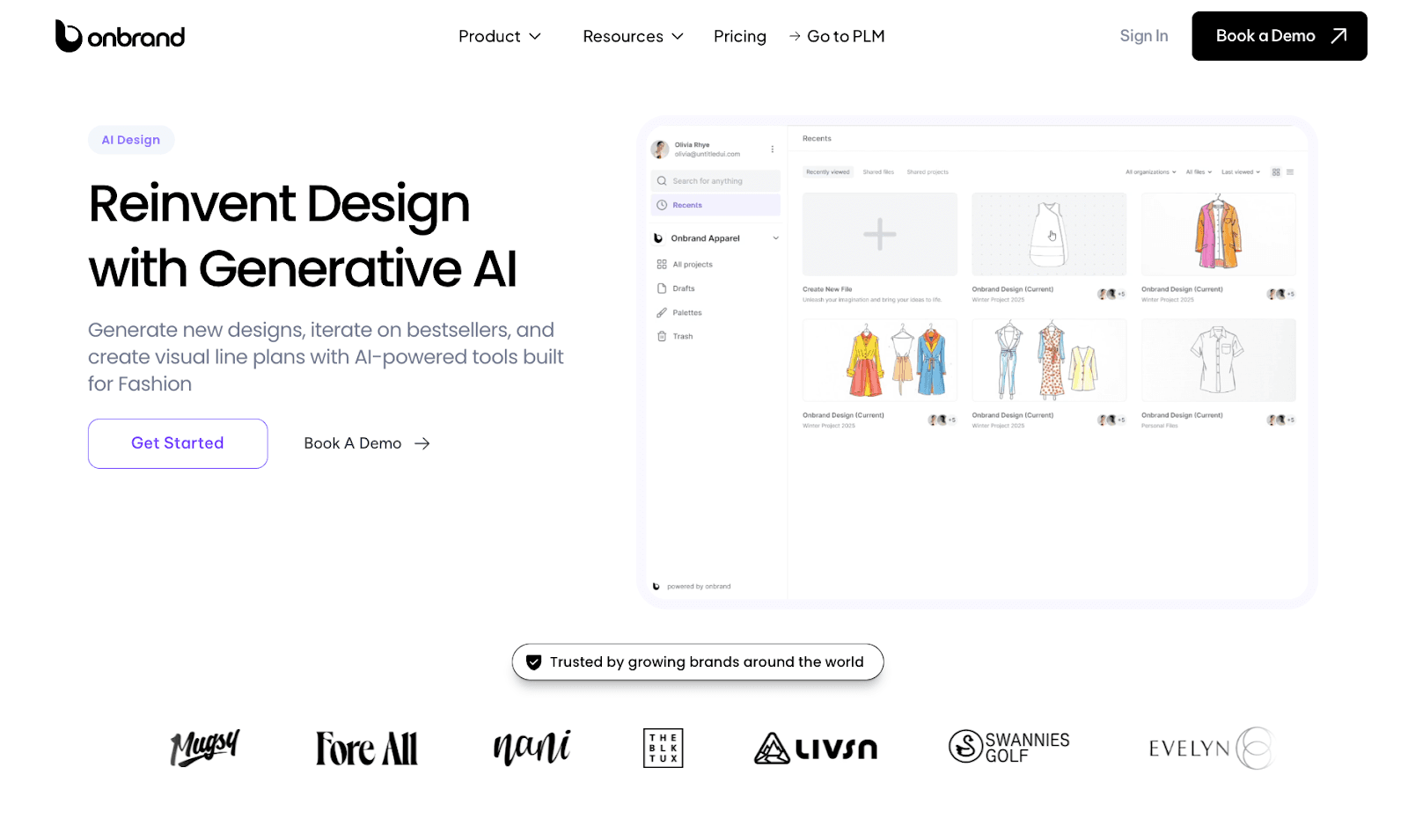
Onbrand supports digital fashion design as one connected system. AI design exploration and PLM work together without recreating the same information in multiple files.
AI-powered design exploration - Onbrand AI Design lets you start with a prompt, sketch, or reference image to generate design options. You can test trims, silhouettes, and colorways in minutes. Pantone and Coloro libraries help you apply consistent palettes. On-model visuals and clean flats support internal reviews and supplier conversations.
Live product data - Designs connect directly to materials, trims, colorways, and notes inside Onbrand PLM. Style records stay centralized, so specifications and assets remain tied to the correct version.
Integrated PLM foundation - Concepts transition into product records. Technical details stay linked to visuals, reducing manual copy-paste between systems.
Real-time collaboration - Designers, developers, and production leads co-edit in real time. Comments, approvals, and version history stay attached to the style.
Production-ready output - Generate spec sheets and web-based tech packs from the same record. Vendors access current information without relying on outdated file versions.
Build a Connected Digital Design Workflow With Onbrand
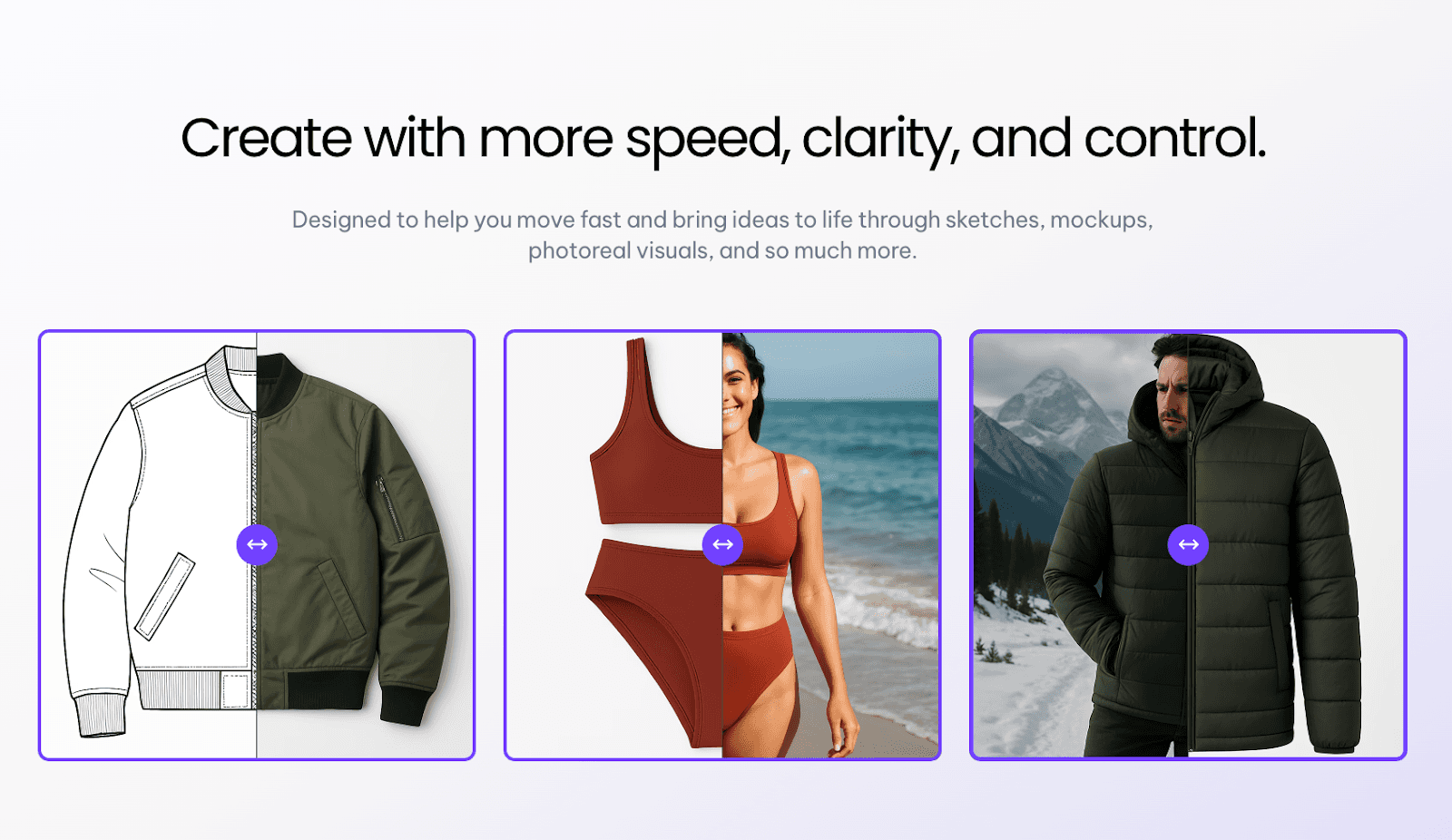
Digital fashion design software now plays a direct role in how products move through the fashion industry. Visual exploration alone is not enough. Brands need clear links between sketches, color decisions, specifications, approvals, and supplier communication.
When evaluating options before making a purchase, look beyond surface-level features such as image generation or rendering quality. Consider how design connects to live development data.
Review how revisions are tracked. Confirm how tech packs are shared and updated. Strong production outcomes depend on continuity, not just visuals.
Onbrand AI Design, alongside Onbrand PLM, supports that continuity. Concept generation, visual refinement, structured specifications, collaboration, and web-based tech packs live in one system. Design decisions remain tied to product data from the first draft through final approval.
FAQs About Digital Fashion Design Software
Which software is best for fashion design?
The best software for fashion design depends on your workflow. Sketch tools support early graphics and visual exploration. 3D platforms focus on garment simulation. If you need AI concept generation connected to tech packs and product records, Onbrand AI Design, integrated with PLM, supports both creative work and production documentation in one system.
Is CLO3D a free software?
No. CLO3D is not free. It operates on paid subscription plans.
Is there any AI tool for fashion design?
Yes. AI tools can generate design visuals, refine sketches, and help you imagine new variations quickly. Onbrand AI Design connects AI-generated graphics directly to product data, so concepts move into development without being rebuilt on paper. This reduces duplicate work and helps save time during reviews.
What is the alternative to CLO3D?
Alternatives to CLO3D depend on your priorities. If you need a connected workflow beyond simulation alone, platforms such as Onbrand AI Design integrated with PLM provide visual generation plus linked specifications. The better choice depends on whether your focus is rendering or full product development.
How can digital fashion design software help reduce development costs?
Digital fashion design software allows brands to review visuals, confirm instructions, and validate details before sampling. Clear documentation reduces confusion with suppliers and helps prevent repeated corrections. While it may not cut development time in half, stronger version control and data can help save costs and keep production more affordable over time.