Mar 26, 2026
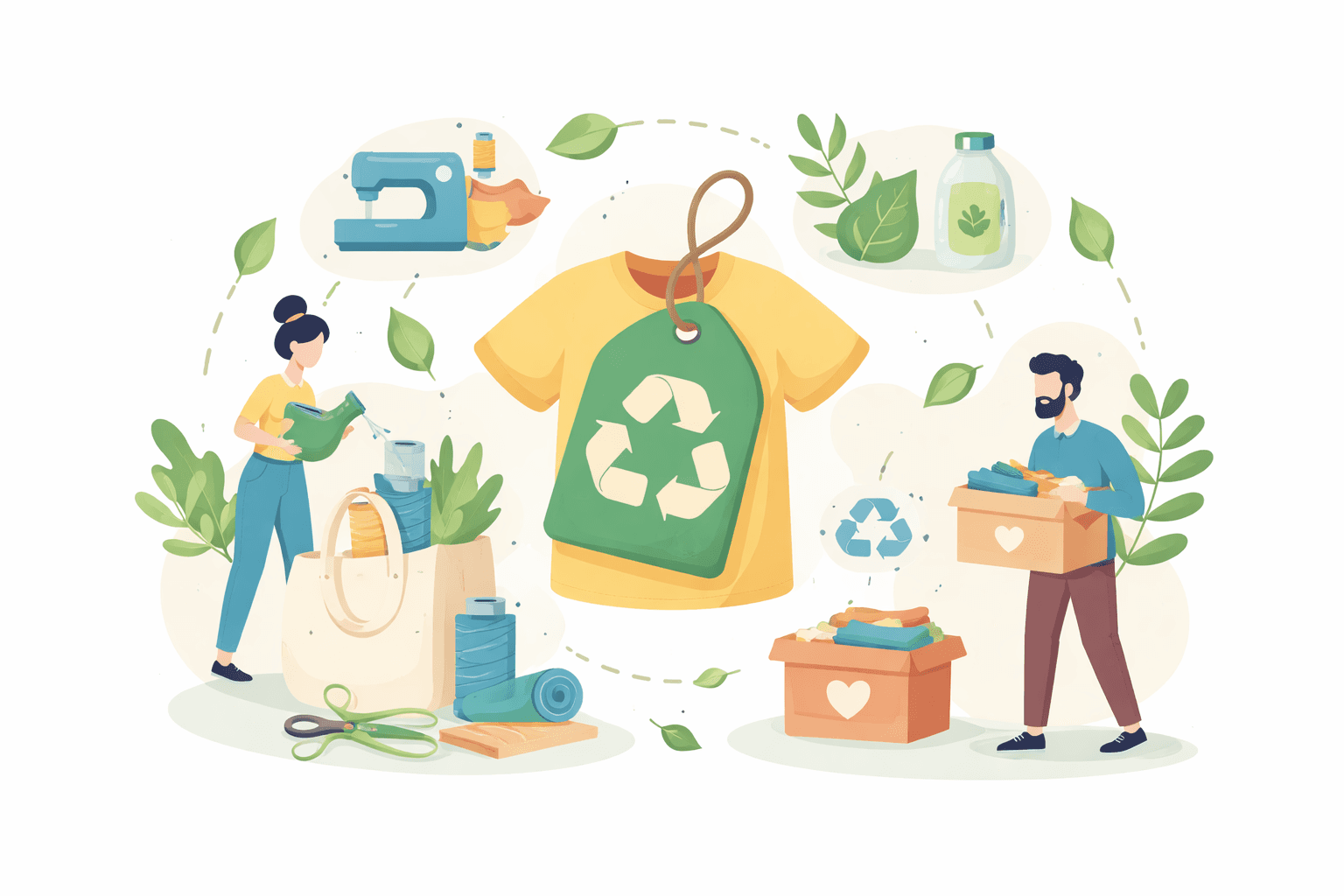
Circular fashion is gaining attention as the fashion industry faces rising textile waste and growing pressure to rethink how clothing is produced and discarded. For decades, the dominant model focused on speed and volume, moving garments quickly from production to disposal.
Most waste in fashion does not come from poor intentions. It reflects how the traditional linear system was designed.
Circular fashion offers a different approach. It focuses on keeping clothing and materials in use for as long as possible through repair, resale, refurbishment, and recycling.
In this guide, we explain what circular fashion means, how it differs from sustainable fashion, and why it is becoming central to the industry in 2026.
What Is Circular Fashion?
Circular fashion is a way of designing and managing clothing so it stays in use instead of quickly becoming waste.
In the traditional linear model, the path is:
Make, Use, Dispose
A product is developed, sold, worn, and eventually thrown away.
Circular fashion changes that path to:
Design, Use, Reuse, Repair, Recycle, Regenerate
Instead of planning for disposal, the circular fashion model plans for continuation. A jacket might be repaired, resold, refurbished, or broken down so its materials can re-enter production.
The circular model is a closed-loop approach rooted in the broader circular economy. It reduces textile waste by extending product life and recovering materials wherever possible.
For fashion brands, it means making decisions during the fashion design process that support durability, repair, and future recovery, not just initial launch.
The term circular fashion describes a system-level shift in how fashion products are designed, used, and brought back into circulation.
Circular Fashion Examples
Several brands offer clear circular fashion examples in practice, each applying the concept in different ways.
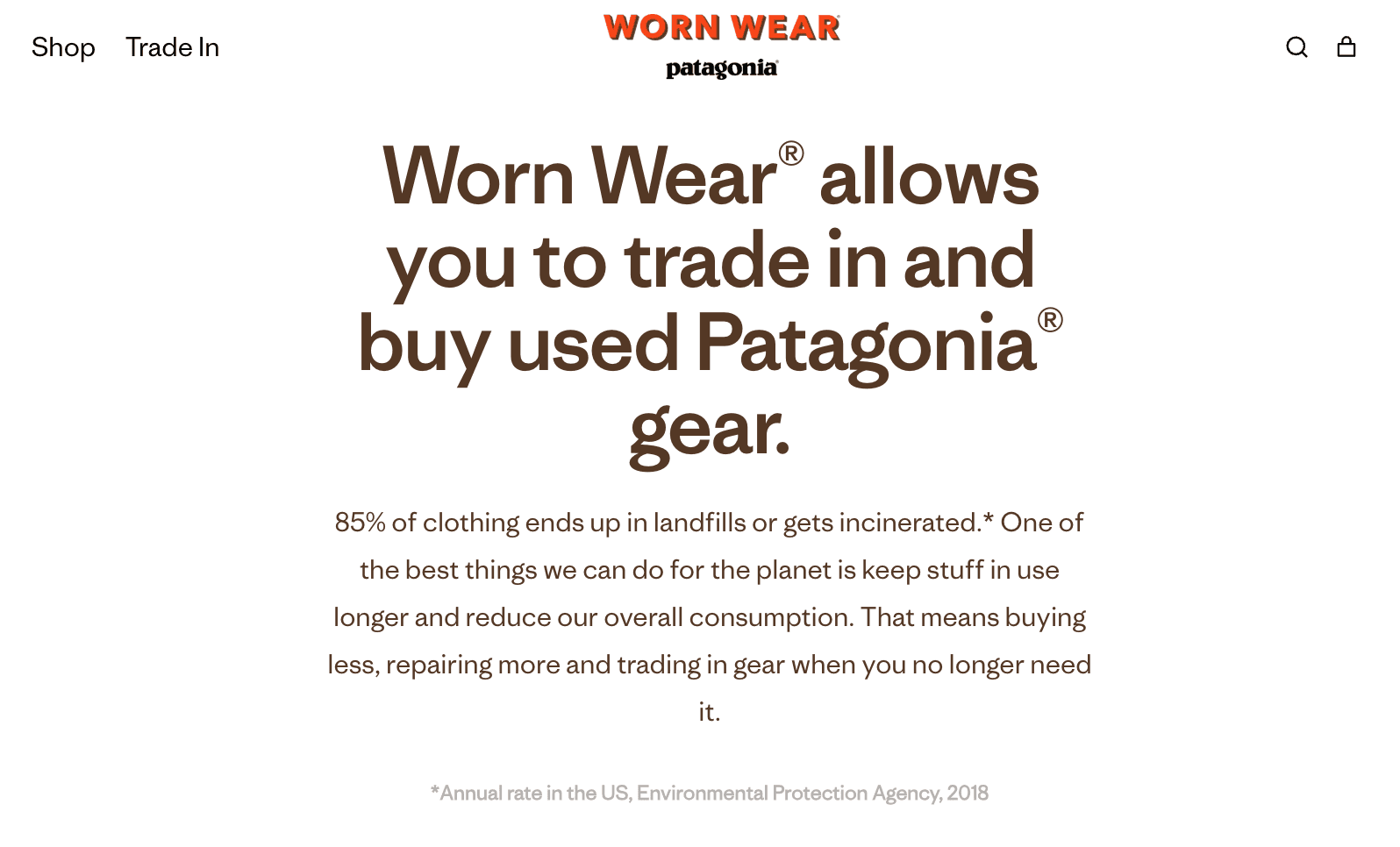
Patagonia has long been committed to repair and resale. Its Worn Wear program not only resells used products but also promotes garment repair through educational resources and in-store services. The focus is on extending product life and reducing unnecessary replacement.
Source: wornwear.patagonia.com
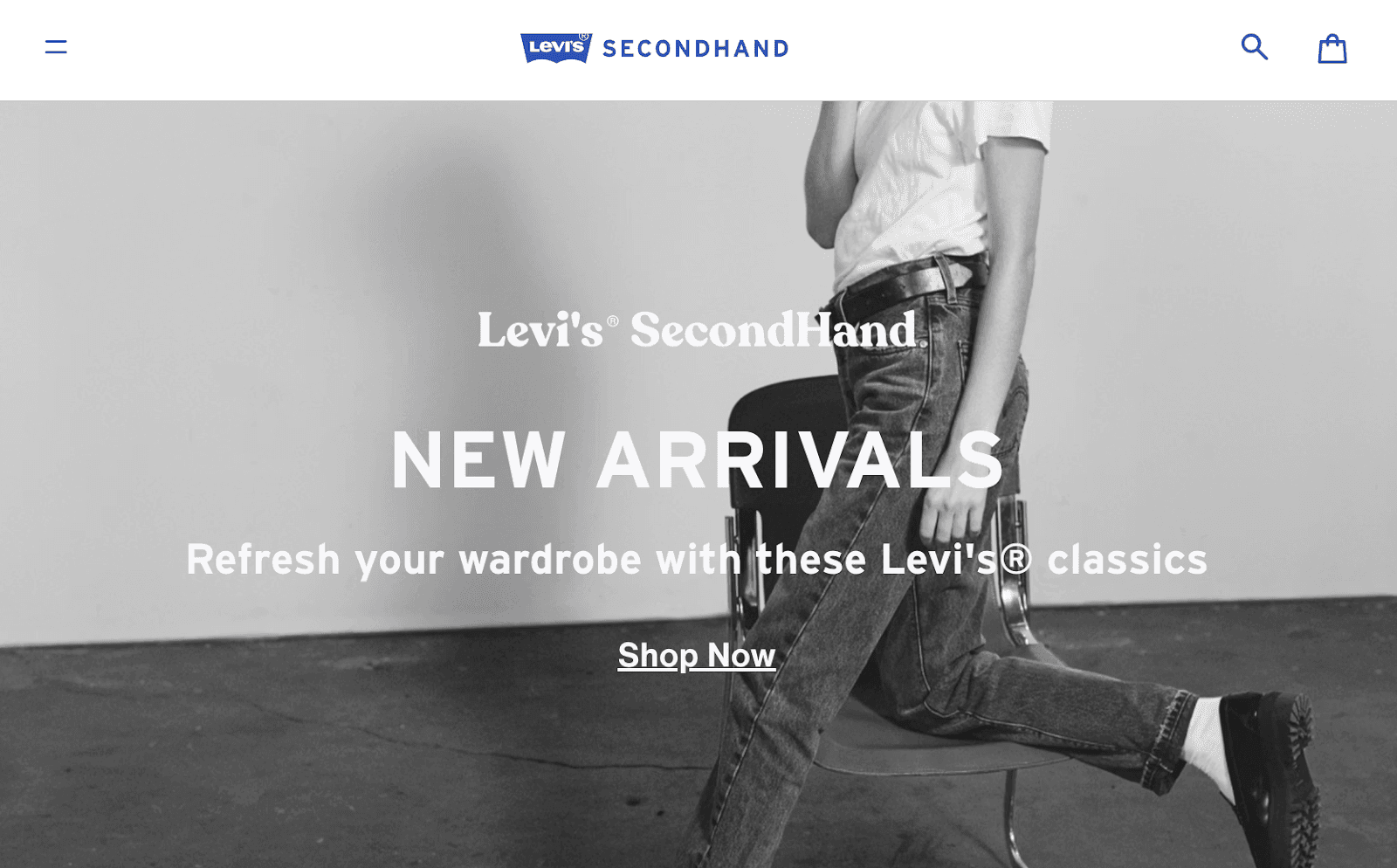
Levi’s supports circularity through tailoring services and its SecondHand resale platform. Customers can repair denim, resell used pieces, or purchase pre-owned items, reinforcing durability as part of the brand’s long-term product strategy.
Source: secondhand.levi.com
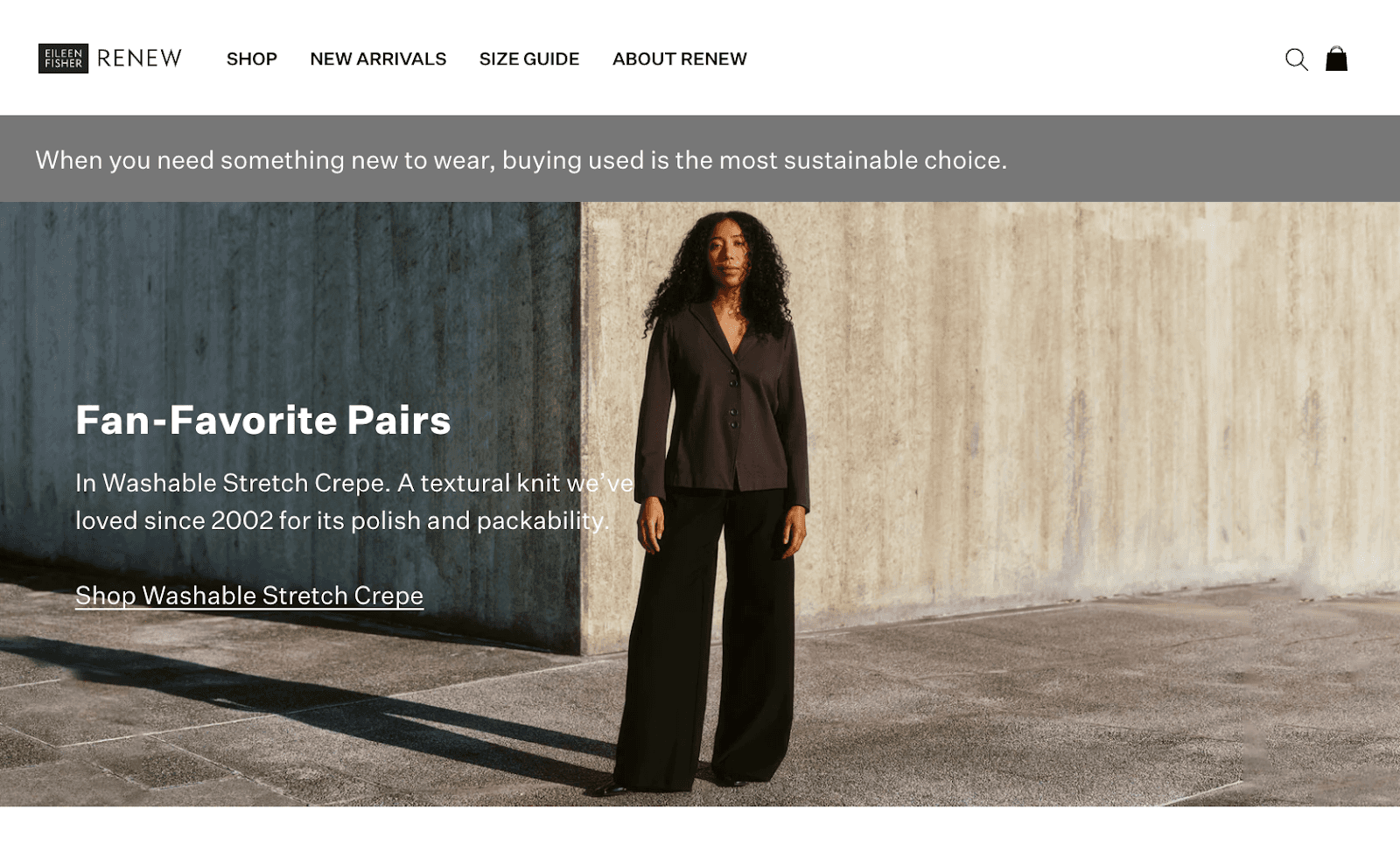
Eileen Fisher Renew operates a structured take-back and remake program. Worn garments are collected, cleaned, resold, or redesigned into new pieces, demonstrating how product recovery can be built into a brand’s lifecycle planning.
Source: eileenfisherrenew.com
The North Face Renewed focuses on refurbishing returned or lightly used products before putting them back into circulation. Instead of discarding returns, the company restores and resells them at scale.
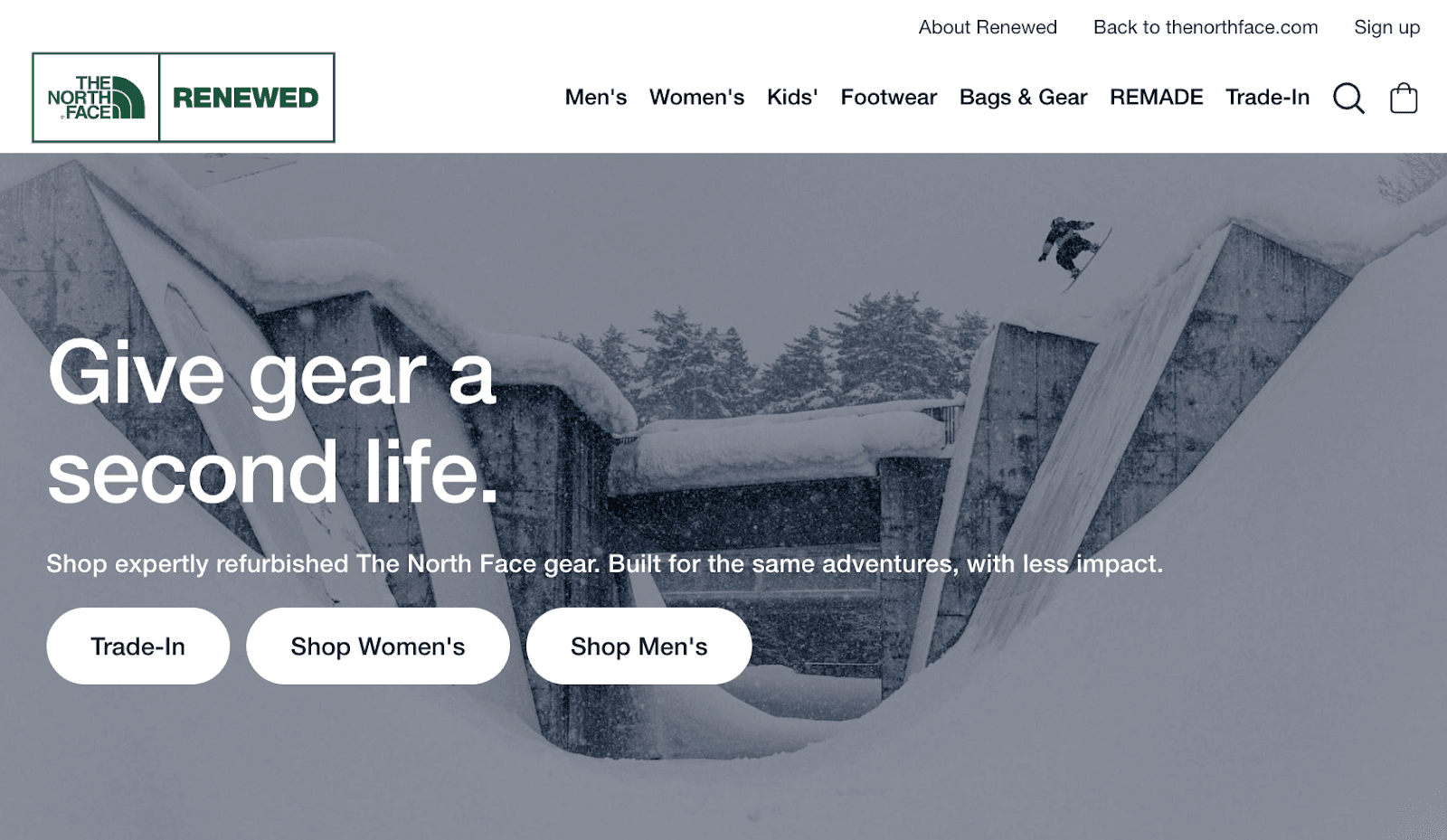
Source: thenorthfacerenewed.com
Rental platforms such as Rent the Runway represent another form of circular business models. Garments move across multiple users rather than sitting unused, shifting the model from ownership to access.
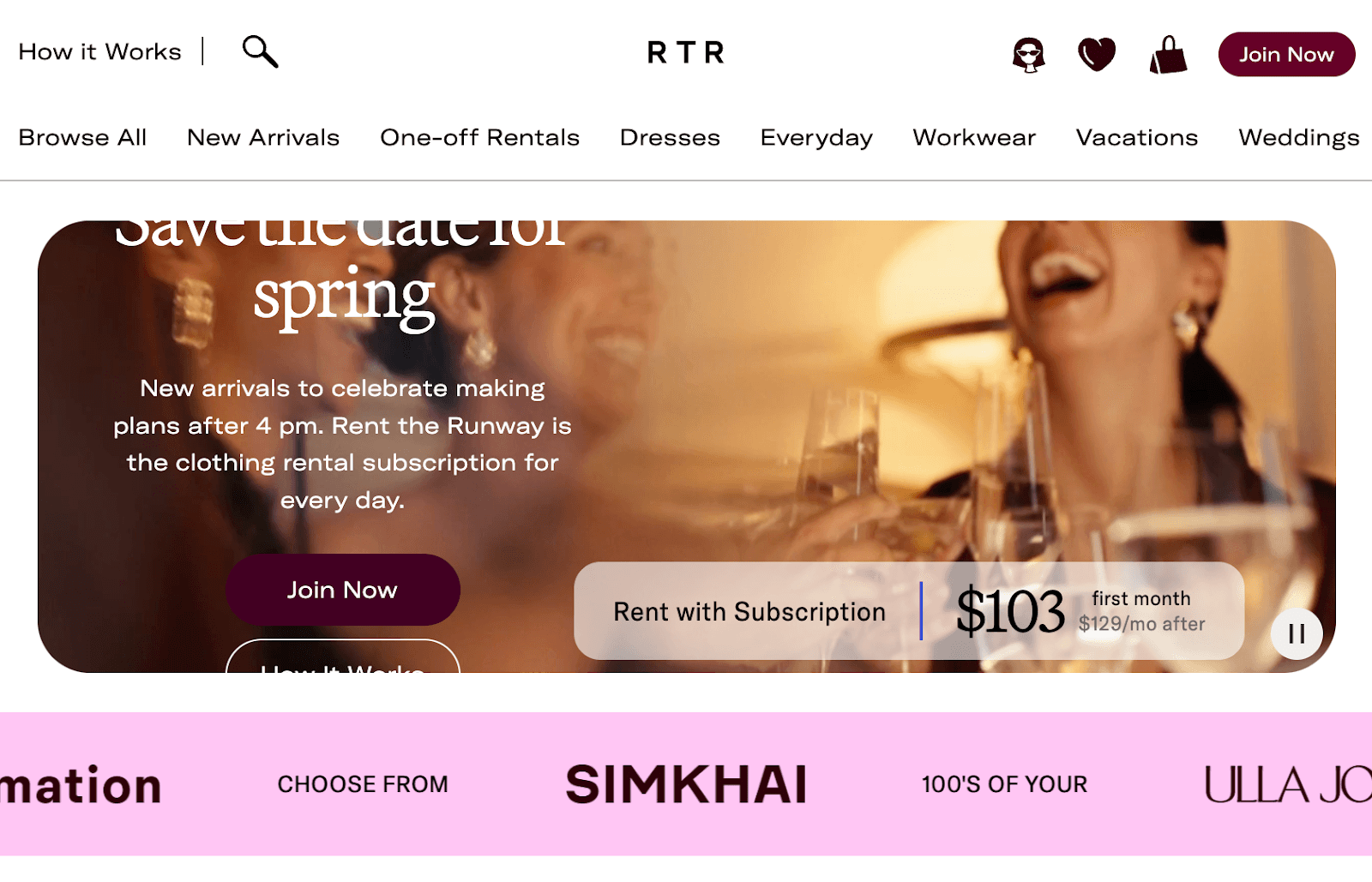
Source: renttherunway.com
Each example reflects a different approach, yet all center on extending garment life instead of accelerating disposal.
Circular Fashion Business Models
Circular business models focus on generating revenue while keeping products in circulation rather than relying only on new production. These models reshape how value is captured over time.
Resale programs - Brands resell pre-owned inventory through branded platforms, capturing margin from products that would otherwise be discounted or written off.
Rental models - Garments rotate across multiple customers, increasing revenue per item through repeated use.
Subscription services - Customers pay recurring fees for rotating access to products, creating predictable income streams.
Take-back programs - Structured returns allow companies to recover products and reintroduce them into resale or remade collections.
Product-as-a-service - Ownership shifts to access, where customers pay for usage instead of permanent possession.
Repair services - In-store or centralized repair extends product life while creating service-based revenue.
Each model reflects a different approach to monetization rooted in lifecycle thinking rather than volume alone.
Circular Fashion vs Sustainable Fashion
Sustainable fashion and circular fashion are often used interchangeably, but they are not the same.
Sustainable fashion focuses on reducing environmental harm during production. That may include using sustainable materials, choosing eco-friendly materials, lowering water use, or cutting emissions that contribute to climate change.
Circular fashion addresses what happens before and after a garment is sold. A circular fashion system is built to minimize waste through lifecycle loops. It considers how clothes are designed, worn, repaired, resold as secondhand clothing, and eventually recycled. The emphasis is on structure, not just on material.
In short, sustainable fashion improves how new garments are made. Circular fashion rethinks how the entire fashion system operates, shifting from a take-make-dispose model to one designed for long-term use and recovery.
Why Circular Fashion Matters
Circular fashion is important because it addresses both the environmental pressure facing the industry and the economic shifts reshaping how fashion operates. The impact is no longer abstract. It affects how products are produced, worn, valued, and recovered at scale.
Environmental Impact
According to the Ellen MacArthur Foundation, the fashion industry generates millions of tons of textile waste each year, much of it ending up in landfill after garments are worn only a few times. The rise of fast fashion has accelerated production cycles and shortened product lifespans.
Clothing production also contributes significantly to climate change, with high carbon emissions across manufacturing and transportation. Water use remains a major concern, particularly in dyeing and finishing processes that contribute to water pollution.
At scale, these patterns place increasing strain on natural resources and the broader environment. Circular design principles aim to eliminate waste and extend product life to ease the pressure on the planet.
Economic Opportunity
Circular fashion also reflects shifting market dynamics. Resale and rental continue to grow as customers explore alternatives to constantly purchasing new garments. More consumers now value durability, repair, and extended use.
These shifts are driving new business models, including resale platforms and service-based offerings. Investors and policymakers are paying closer attention, adding pressure on manufacturers and brands to adapt for long-term sustainability.
For many companies, circular thinking is no longer a niche strategy. It is becoming part of how the industry prepares for the future.
Key Principles of Circular Fashion
The principles of circular fashion focus on how garments are designed from the start. They guide product decisions long before resale or recycling enters the conversation.
Design for durability - Create garments that hold up over time. Fabric choice, construction methods, and quality control (QC) standards matter. Longer-lasting products reduce pressure on the textile industry and limit early disposal.
Design for repair - Plan for wear. Use replaceable components and construction that allows alteration or mending so items stay in use instead of being discarded.
Design for disassembly - Consider how materials can be separated at end-of-life. Simpler trims and fewer mixed fibers support future recycling programs.
Reuse before recycling - Extend product life through resale or redistribution before breaking materials down.
Material recovery - When reuse is no longer possible, recover fibers or components so materials can re-enter production instead of becoming waste.
These principles shape the foundation of a long-term shift toward circular design in fashion.
How Brands Can Transition to Circular Fashion
Transitioning to circular fashion requires more than adding a resale channel or launching a take-back initiative.
Implementing circular fashion begins with rethinking how products are designed and managed from the start. Decisions made during fashion product development affect how long a garment lasts, how easily it can be repaired, and whether materials can be recovered later.
Product lifecycles also become more layered. A single garment may move from initial sale to resale, repair, or refurbishment. Managing those stages requires visibility into materials, construction details, and past handling.
Tracking fabrics, trims, and components supports informed decisions when items return through reverse logistics. Clear standards for inspection, grading, and redistribution reduce operational friction and protect brand value.
In many instances, brands approach circular initiatives as isolated projects. Long-term progress depends on integrating these processes into everyday workflows. Continued innovation and structured coordination help circular strategies function consistently in the real world.
The Role of Digital Systems in Circular Fashion
Circular programs introduce more product states than a traditional one-time sale. A style may launch as a new product, move into resale, undergo repair, be returned as a refurbishment, or eventually enter recycling. Each stage changes how that garment is documented, evaluated, and handled.
In practice, that means more than tracking SKUs. You need clear visibility into materials, trims, construction details, and past revisions. If a zipper fails during a repair event, you should know the original spec.
If a product enters resale, condition notes and updates should stay attached to the same record. When materials move toward recycling infrastructure, fiber content and component breakdown must already be documented.
Without structured product data, circular efforts rely on spreadsheets, email threads, and disconnected files. That slows decisions and creates risk.
Platforms like Onbrand connect AI design, tech packs, and product lifecycle management (PLM) in one system, so sketches, specs, materials, and approvals live inside the same style record.
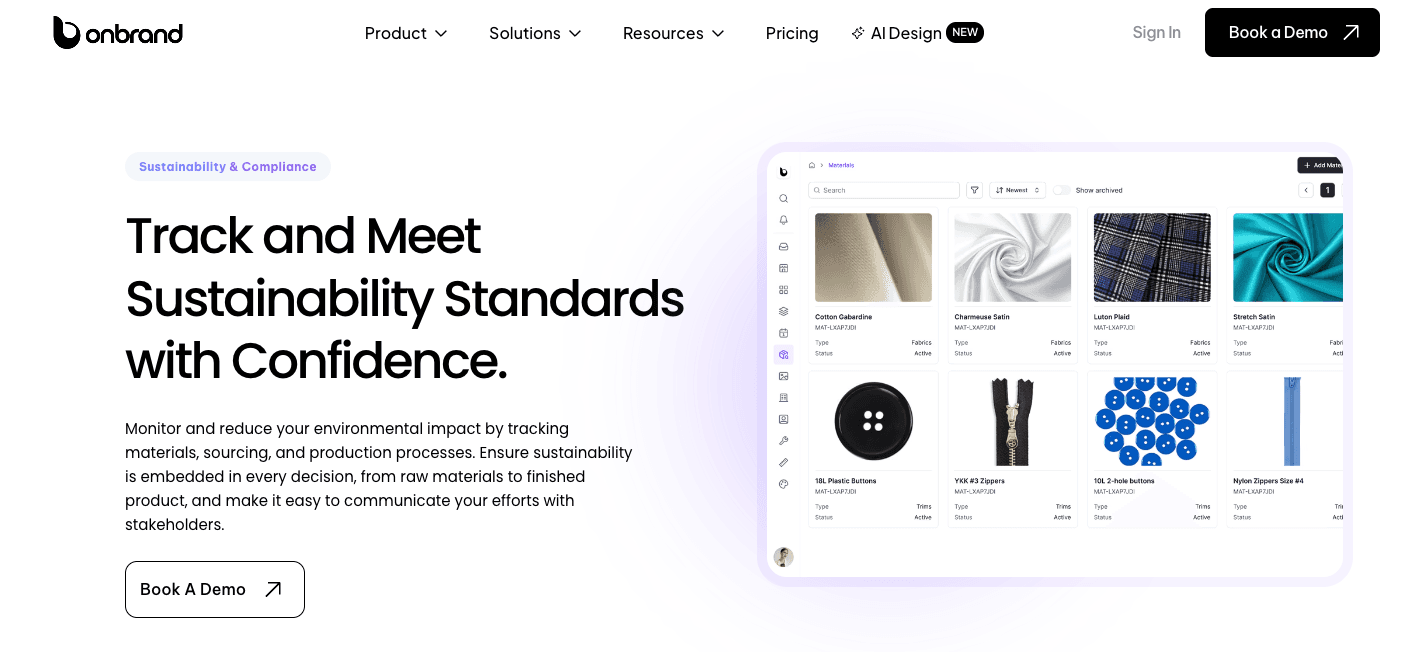
It also includes sustainability and compliance tracking, where certifications and supplier documentation stay linked to the product file. That structure supports circular programs from initial launch through extended lifecycle stages.
Build Circular Systems From Design to Lifecycle
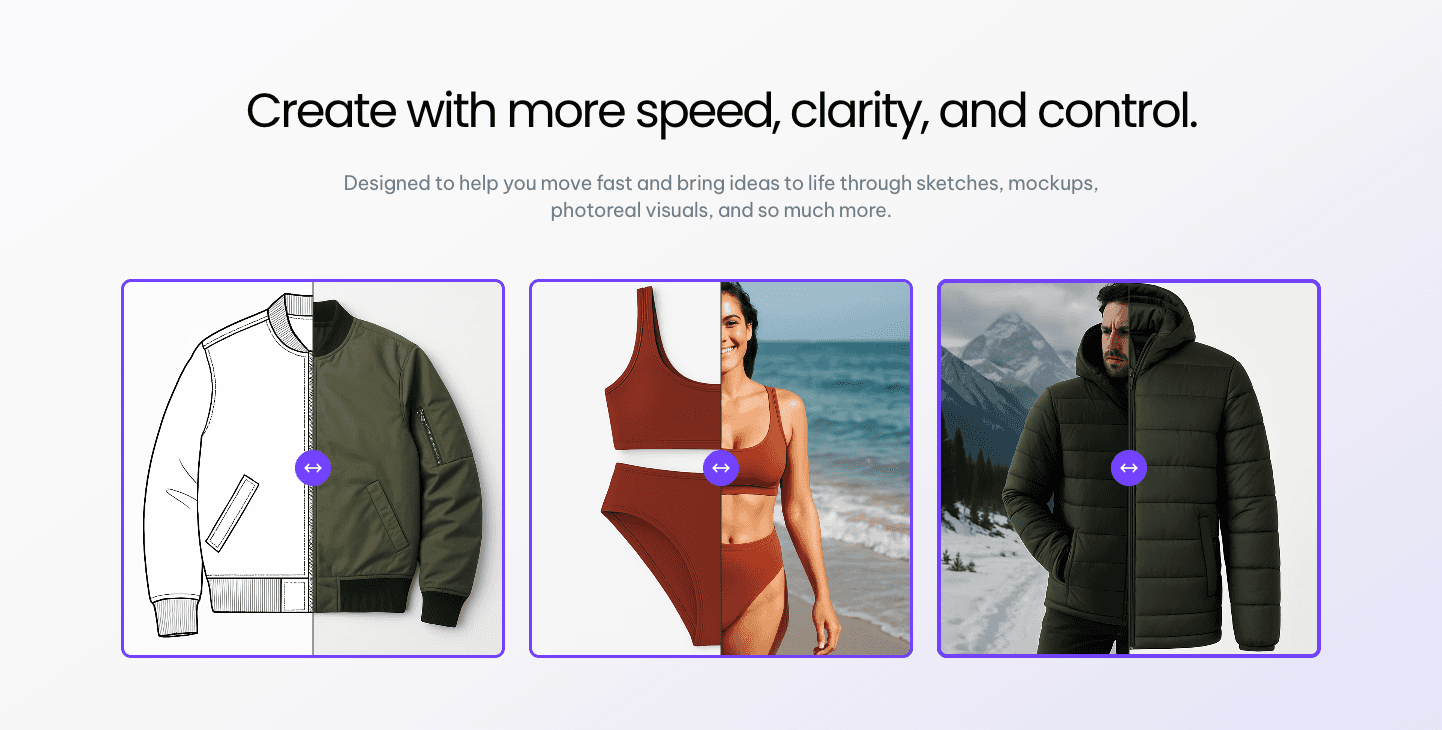
Circular strategies depend on lifecycle visibility. You need to see how a garment was designed, what materials were used, how it was constructed, and what changes were made over time. Without that clarity, resale, repair, and recovery programs turn into manual work.
Lifecycle visibility depends on accurate, shared product information. Fabric composition, trim details, tech pack revisions, supplier notes, and approvals should live in one place.
When that information stays connected to the style from first concept through later product states, circular decisions become easier to manage.
Digital systems make that possible. They connect fashion design, development, and documentation so products can move through multiple stages without losing context.
Onbrand supports lifecycle-aware fashion PLM development by keeping product data, visuals, and compliance records aligned from creation through extended use.
Learn how Onbrand supports lifecycle-aware fashion development.
FAQs About Circular Fashion
What are the four R’s of circular fashion?
The four R’s of circular fashion are commonly defined as Reduce, Reuse, Repair, and Recycle. Reduce focuses on lowering resource use and overproduction. Reuse keeps clothing in circulation through resale or secondhand use. Repair extends a garment’s life instead of replacing it. Recycling recovers materials so they can re-enter production, often supported by improved recycling infrastructure.
Who is the founder of circular fashion?
There is no single founder of circular fashion. The concept developed from the broader circular economy framework, shaped by multiple researchers, companies, and organizations. The Ellen MacArthur Foundation played a major role in formalizing the idea within the fashion industry and promoting practical solutions for reducing waste.
How does circular fashion reduce waste in the industry?
Circular fashion reduces waste by designing products to last longer and stay in use. Instead of discarding garments after limited wear, brands and consumers join efforts to reuse, repair, and recycle clothing. The focus is on aligning production with the limits of nature while keeping materials in circulation longer.