Mar 23, 2026

As collections grow, product data spreads through tech packs, costing sheets, and development folders. Sales teams then rebuild everything under the deadline. Version errors happen. Pricing gets double-checked at the last minute.
A strong line sheet closes that gap. It turns finalized fashion product development work into a clear wholesale document.
In this guide, you will learn how to build a line sheet that supports accurate pricing and confident buyer conversations.
TL;DR
A fashion line sheet is a buyer-ready wholesale document that helps retailers review your collection and place orders using confirmed SKUs, pricing, sizes, delivery windows, and accurate visuals.
Brands rely on line sheets for wholesale outreach, buyer meetings, and market week, as well as internal sales alignment before appointments.
The steps to create one are: finalize the collection, organize style-level information, use production-accurate images, structure the layout for fast review, double-check pricing and margins, then export in buyer-ready formats.
Effective line sheets are built from approved product data, not rebuilt under deadline from scattered spreadsheets.
Onbrand helps keep styles, materials, pricing, and delivery details aligned so sales work from one consistent source before market.
What Is a Fashion Line Sheet?
A fashion line sheet is a wholesale sales document that presents a seasonal collection to retailers in a format built for ordering.
It lists each style with pricing, color options, sizes, and delivery details in one organized file so potential buyers can review the collection and make purchase decisions.
Fashion brands use a line sheet to introduce a new season to retail partners and clearly showcase products.
It centers on numbers and confirmed details. Buyers check wholesale pricing, available sizes, delivery windows, and clean product photos that reflect the final garment.
Most brands build their line sheets using a simple line sheet template, then share them in PDF or digital format for easier access.
When the information is accurate and easy to scan, buyers move from review to placing orders with confidence.
When Fashion Brands Need a Line Sheet
Fashion brands need a line sheet when preparing for wholesale outreach, buyer meetings, and presenting collections during market week.
It supports your wholesale business once development is complete and sales conversations begin. You use it to inform buyers with confirmed pricing, delivery dates, and style details before orders are signed.
It becomes necessary after sampling approvals and internal costing reviews. Sales cannot present a collection without accurate SKUs and delivery windows.
Clean product grouping, clear pricing, and verified details allow buyers to review hard facts without back-and-forth emails.
You also need it for sales team alignment. Before appointments, reps must have the same numbers, design, and production approved. Many brands rely on a structured fashion product lifecycle management (PLM) system to generate consistent files.
For example, a 48-style Fall collection with 4–6 colorways per style requires confirmed SKUs, pricing, and delivery windows before buyer presentations.
Without that clarity, market appointments stall and orders slow down.
A Step-by-Step Guide on How to Create a Fashion Line Sheet
Once sampling, costing, and approvals are complete, the next move is organizing that information into a buyer-ready format.
A strong line sheet does not start with layout design. It starts with clean product data. When you build it in stages, you reduce pricing errors and misaligned details.
The steps below show how to create a fashion line sheet that presents relevant information clearly and supports real wholesale sales.
Step #1: Finalize Your Collection Before Building the Line Sheet
Do not open your layout file yet. Start with confirmed product decisions.
First, lock your styles, colorways, and SKUs. Every style in the line sheet must reflect approved samples and cleared quality control. If a color is still under review, leave it out. Buyers expect hard facts, not placeholders.
Next, confirm wholesale pricing and suggested retail pricing. Your numbers should match the costing sheets and your internal bill of materials (BOM). If fabric costs changed during sampling, update pricing before the line sheet moves forward.
Then, check that product names and style numbers match your internal records. Clear alignment prevents confusion during buyer conversations and keeps sales and development working from the same data.
For example, a Spring 2026 capsule with 12 styles and three colorways each should have 36 confirmed SKUs before you begin the creation process.
Step #2: Organize Product Information for Each Style
After confirming your collection, structure the details for each style in a clear and repeatable format. Buyers review many collections in a short window. Clear structure helps them compare styles without friction.
For every style, include:
Style name
Style number or SKU
Available colorways
Wholesale price
Suggested retail price
Available sizes
Fabric composition
Minimum order quantity
Delivery window
Keep one idea per line. Give each data point its own space. That structure makes your document easier to scan and helps inform buyers without follow-up clarification.
For example:
Style: Isla Linen Blazer
Style #: SS26-401
Colors: Sand, Olive, Black
Wholesale: $78
MSRP: $195
Delivery: March 2026
Consistent formatting strengthens brand identity and makes the file visually appealing without adding unnecessary marketing copy.
Avoid long descriptions, lifestyle content, or extra features that distract from key information. Effective linesheets focus on confirmed details so customers can review pricing and delivery with confidence.
Step #3: Use Clear, Production-Accurate Product Images
Your images should reflect the final product, not a styled campaign concept. Use clean garment flats or approved product photography that shows the true shape, fit, and construction details. Buyers rely on visuals to confirm what they are ordering.
Avoid editorial images with dramatic lighting, props, or heavy styling. Those belong in marketing. A line sheet needs clarity. Show the garment on a neutral background so seams, closures, and proportions are easy to read.
Color accuracy also matters. The image should match your production references and approved lab dips. If the olive blazer approved in sampling is slightly darker than the prototype, update the visual before sending the line sheet.
Include one primary image per colorway whenever possible. If a blazer comes in four colors, show four small thumbnails instead of one generic image. Buyers compare color options quickly, and clear visuals help them decide without additional emails or sample requests.
Step #4: Structure the Layout for Fast Buyer Review
Once your product details and images are ready, focus on layout. Structure determines how quickly buyers can review important information.
Place one product per block. Give each style enough space so pricing, sizes, and delivery details are easy to read. Avoid crowding multiple styles into the same area just to reduce page count.
Follow a consistent hierarchy: image first, then style name, then pricing, then supporting details. Buyers scan first and analyze second. Clear structure helps them move through the document without confusion.
Keep copy factual and concise. Long descriptions slow down the review. A line sheet is not a marketing brochure. It should display confirmed data, not storytelling.
A simple format works best. Start with a cover page that lists your brand name, season, and contact details. Follow with a short collection overview if needed. Then, organize product pages by category to produce a clean flow from first style to last.
Use consistent formatting throughout the document so every page feels aligned and easy to navigate.
Step #5: Double-Check Pricing and Margin Logic
Before you send the line sheet, review your pricing one more time. Numbers drive wholesale decisions.
Confirm that your wholesale price matches the latest approved costing. Check fabric, trim, and freight assumptions against your landed cost. If sampling changes affected production expenses, update the price before buyers see it.
Next, review your suggested retail price. Retailers expect a margin that supports their business model. If your manufacturer’s suggested retail price (MSRP) does not allow room for markup, orders will stall even if the product is strong.
Verify currency if you sell internationally. A pricing mistake in USD versus EUR can delay approvals and damage trust.
For example, if production costs increased after final sampling, adjust wholesale pricing before sending the document. Do not rely on outdated spreadsheets or disconnected software to fill in numbers automatically.
Accurate pricing builds confidence and prevents corrections after orders are written.
Step #6: Export in Buyer-Ready Formats
Once your layout and pricing are finalized, export the line sheet in formats buyers can use immediately.
Start with a clean PDF for email distribution. Most wholesale outreach still happens through direct email, and buyers expect a file they can download, forward, and review offline.
Prepare a print-ready version for trade shows and market appointments. Some buyers prefer to mark notes directly on paper during line reviews.
If your sales process includes remote appointments, provide a digital shareable version through your internal platform or sales portal. Certain digital tools allow updates in real time, which helps if delivery dates or pricing adjustments occur before orders are confirmed.
Name the file clearly and include the season. For example:
BrandName_SS26_LineSheet.pdf
Clear file naming prevents confusion when buyers manage multiple collections from different brands. Keep the export simple, accessible, and ready for immediate review.
Managing Fashion Line Sheets as Your Brand Grows
Early-stage brands often build line sheets in layout software or simple spreadsheets. That works when you have ten styles and a few colorways. You can manage updates manually and double-check pricing before sending the file.
Growth changes that.
When your collection expands to 40 or 60 styles, version control becomes harder. One delivery date shifts, a fabric cost updates, or a color is dropped after the final sample review.
If those changes do not flow into your line sheet, buyers see outdated information. A line sheet only works if your development data is accurate. If your development data is messy, your wholesale document will be too.
Structured systems reduce that risk.
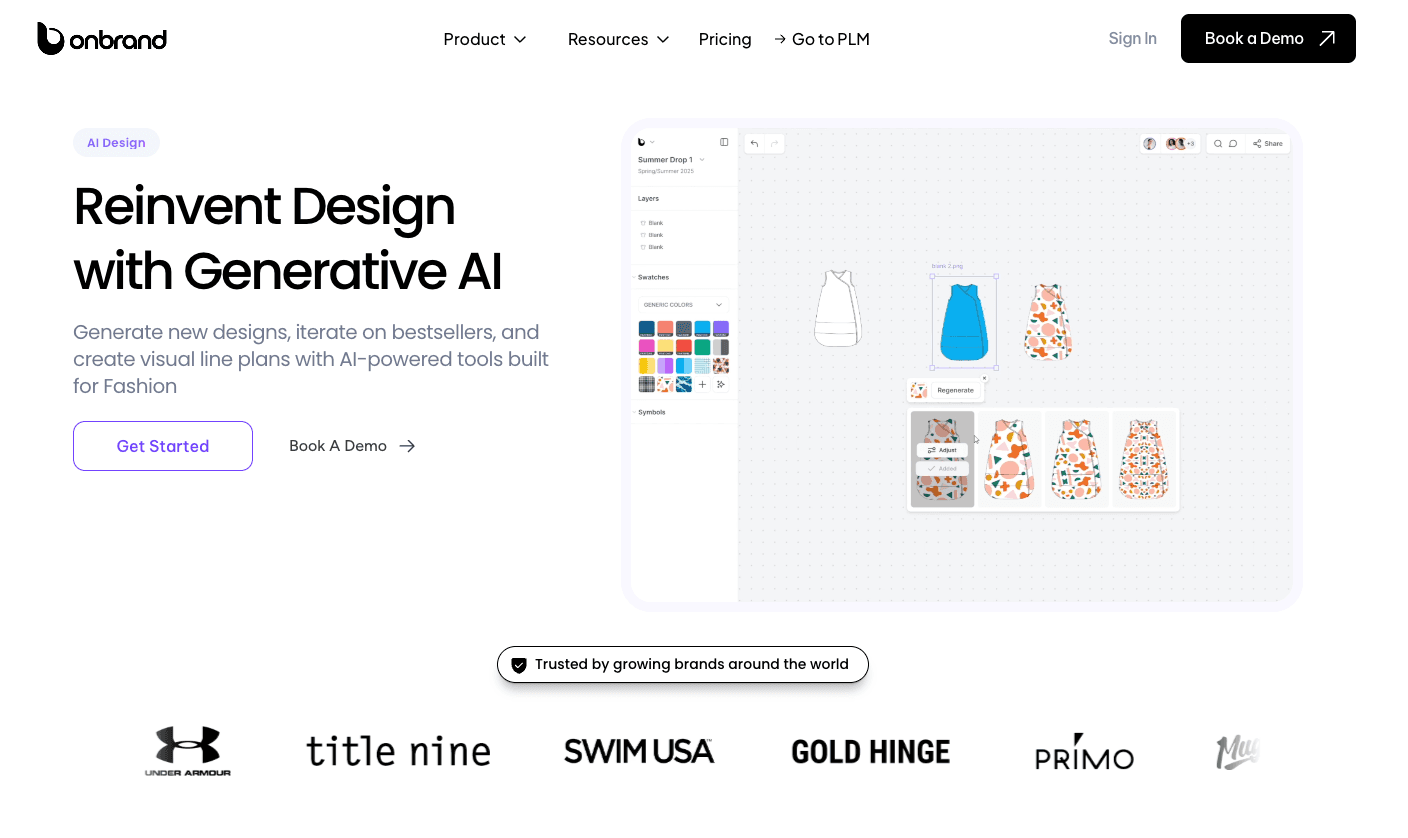
Onbrand AI Design supports early design exploration with tools for generative image creation, automated technical sketch creation, color palette testing, and visual collaboration.
Designers can explore variations, track versions, and align internally before styles move to development.
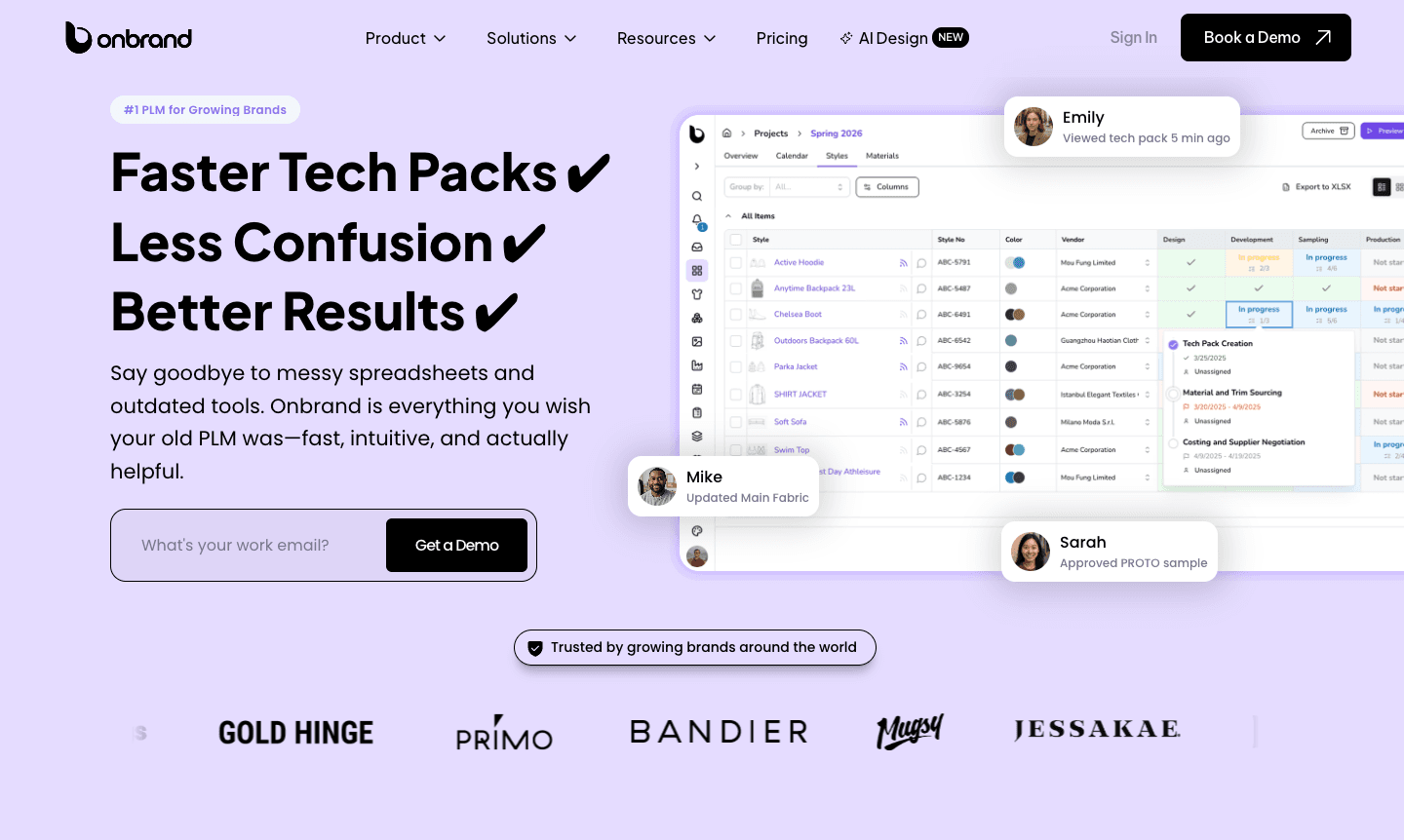
Once styles are approved, Onbrand PLM structures finalize SKUs, materials, pricing, and delivery dates in one place. Sales works from confirmed data, not exported spreadsheets.
Final Review Before Sending to Buyers
Before you send the file, run one last internal check. A five-minute review now prevents correction emails later.
Confirm the following:
All styles are approved
Wholesale and retail pricing are confirmed
SKUs match your internal records
Delivery windows reflect current factory timelines
Visuals match the latest approved sample
If any of these are still in flux, pause. Update the line sheet before it reaches buyers. Accuracy at this stage protects margin, timelines, and credibility.
Build Your Next Fashion Line Sheet With Structured Product Data
A fashion line sheet represents more than a seasonal collection. It shows buyers how clearly your brand manages product details, pricing, and delivery commitments.
When design, development, and sales work from the same structured information, wholesale conversations feel steady.
SKUs match approved samples. Pricing reflects actual costing. Delivery dates align with production timelines. Sales doesn’t need to pause and reconfirm numbers before every appointment.
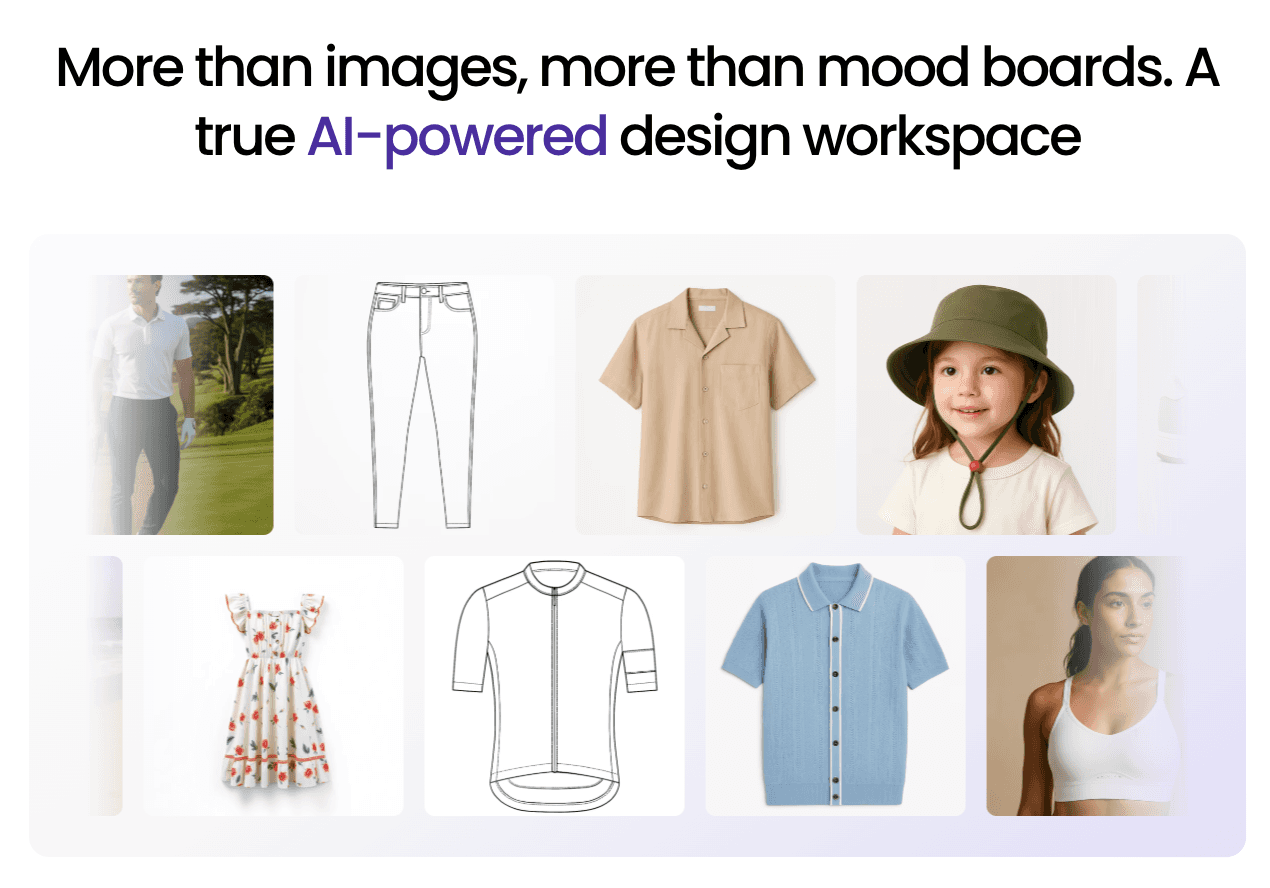
That alignment starts before the line sheet is built. Onbrand AI Design helps you explore concepts, test variations, and align internally while styles are still taking shape.
Once decisions are approved, Onbrand PLM keeps styles, materials, pricing, and timelines organized in one system that sales can reference with confidence.
FAQs About Fashion Line Sheets
What is the difference between a line sheet and a lookbook?
A line sheet is a sales document built for wholesale ordering, while a lookbook is a visual marketing piece. A line sheet lists style numbers, pricing, sizes, delivery windows, and color variants so buyers can place orders. A lookbook focuses on brand image, styling, and campaign photography. Retail buyers rely on line sheets for confirmed numbers and delivery details, while lookbooks help communicate brand direction.
Do I need an LLC for a clothing line?
You do not legally need an LLC to create a clothing line, but forming one can protect your personal assets and separate your business finances. Many founders register an LLC before entering wholesale agreements or signing production contracts. The structure you choose depends on your location, growth plans, and risk tolerance. It is best to consult a legal or accounting professional before making a decision.
What should be included in a fashion line sheet?
A fashion line sheet should include the style name, SKU, wholesale price, suggested retail price, available sizes, delivery window, fabric composition, minimum order quantity, and clear product images. These details are essential for buyers to evaluate margin and placement within their assortment. Each product should be presented in a consistent format so retailers can review and compare items quickly.
How many styles should be in a line sheet?
The number of styles in a line sheet depends on your seasonal collection and wholesale strategy. Some emerging brands present 10 to 20 styles, while established brands may present 40 or more with multiple color variants per style. The line sheet should reflect finalized, approved products rather than concepts still under development. Buyers expect complete and confirmed information before placing orders.